Orika Africa

Tanzania
Migration · Crater · Coast

The world's greatest wildebeest migration. A crater full of Big Five. Africa's highest summit. Spice island beaches a short flight south. Tanzania doesn't do anything at small scale.
Big Scale. Untouched Wild.

Tanzania Wildlife Safari

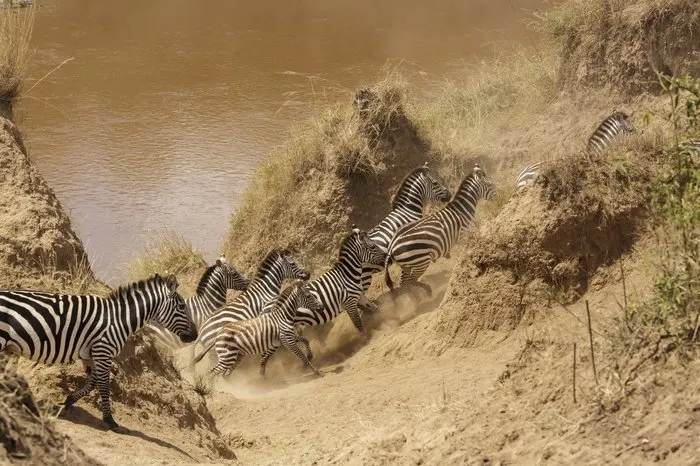
Tanzania is East Africa's largest country and one of its most rigorously protected: 38% of its territory is set aside as national park, game reserve or conservation area, overseen by Tanzania National Parks. The Serengeti sustains the year-round movement of immense herds of wildebeest, zebra and gazelle tracing ancient rain-following circuits across the plains, crossing north into Kenya's Maasai Mara between July and October. Ngorongoro Crater holds more Big Five per square kilometre than anywhere else on the continent. South of the northern circuit, Ruaha and Nyerere open up a different Tanzania entirely: vast, barely visited, and home to lion prides, wild dogs and elephant herds that move through the bush with almost no one watching. A short flight offshore, Zanzibar adds white-sand beaches and warm Indian Ocean water to complete one of Africa's most rounded itineraries. For a full picture of the region, Tanzania pairs naturally with Kenya on an extended East Africa circuit.
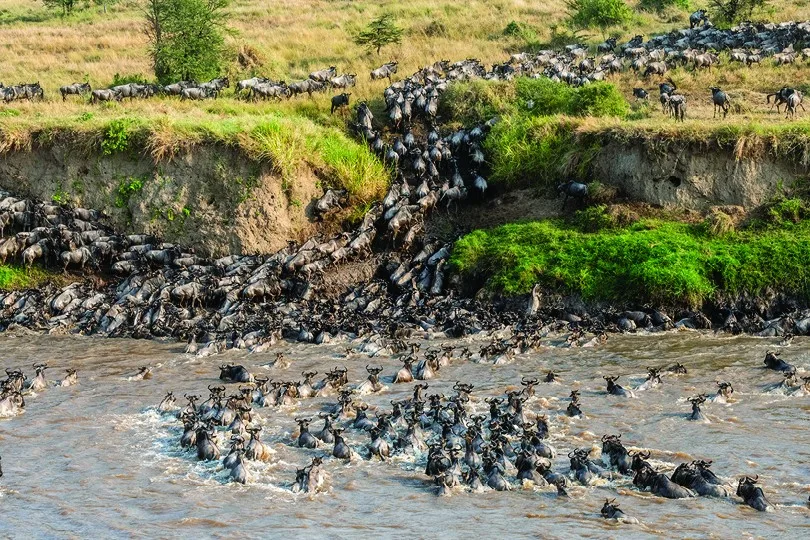
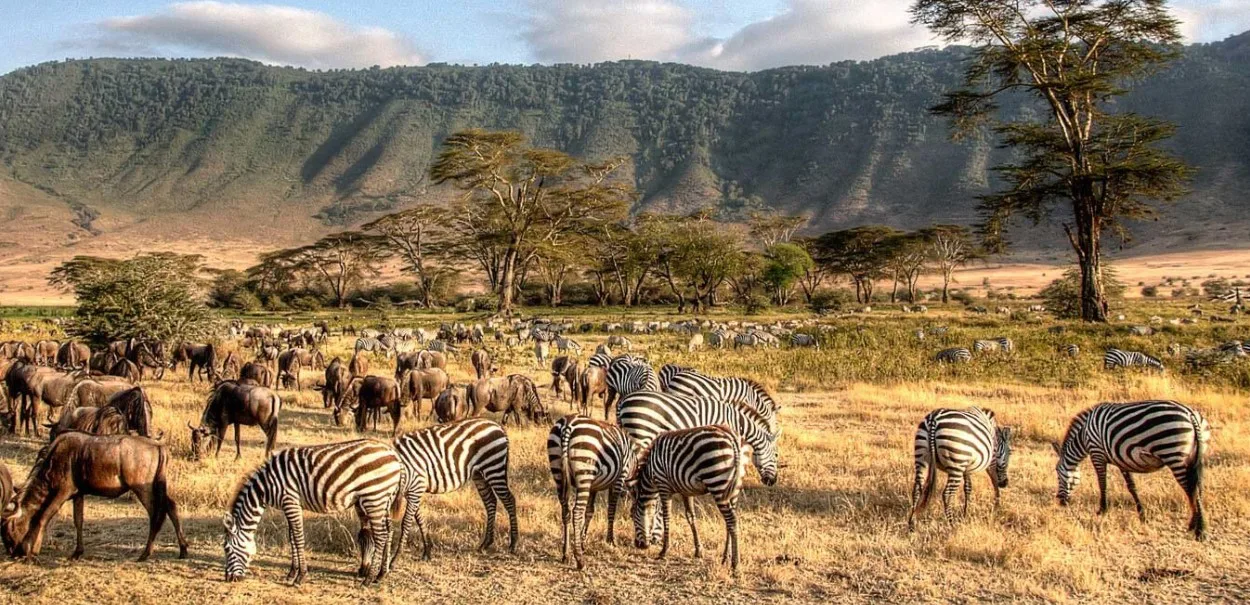
The Serengeti sustains immense herds of wildebeest, zebra and gazelle year-round. Calving season (Jan to Mar) fills the southern plains with newborns
Ngorongoro Crater holds Africa's highest concentration of Big Five within a single enclosed ecosystem, including one of the continent's last black rhino populations
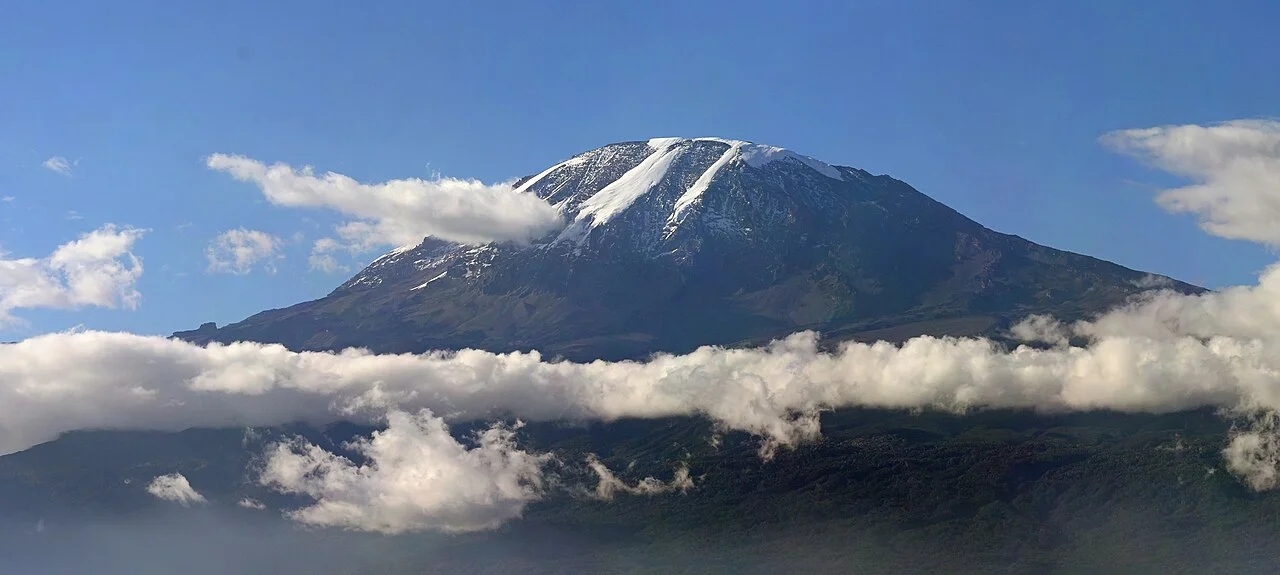
Kilimanjaro rises to 5,895m and remains one of the world's most attainable high-altitude summits, requiring no technical climbing experience — see our Tanzania natural wonders guide for routes nearby
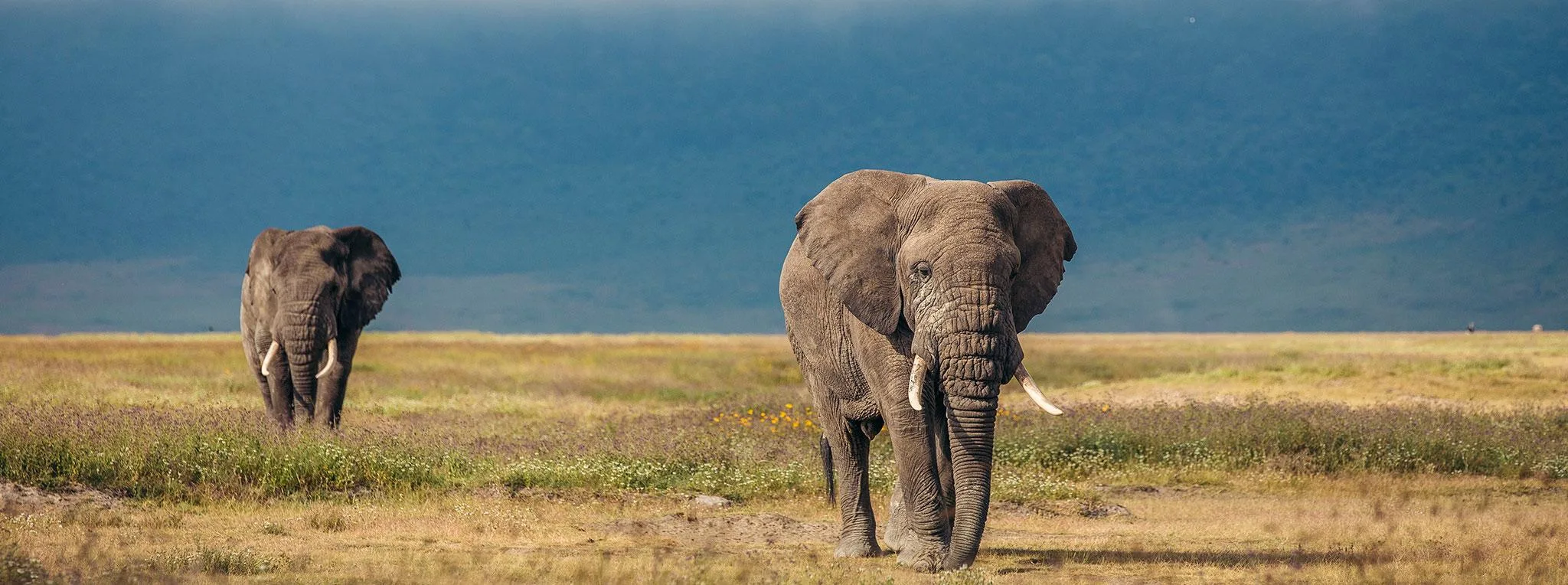
Tarangire holds Africa's highest elephant density outside Botswana, with ancient baobab trees framing some of the continent's largest elephant herds
Ruaha National Park is one of Africa's great off-circuit destinations, with outstanding lion populations and some of the continent's most consistent wild dog sightings
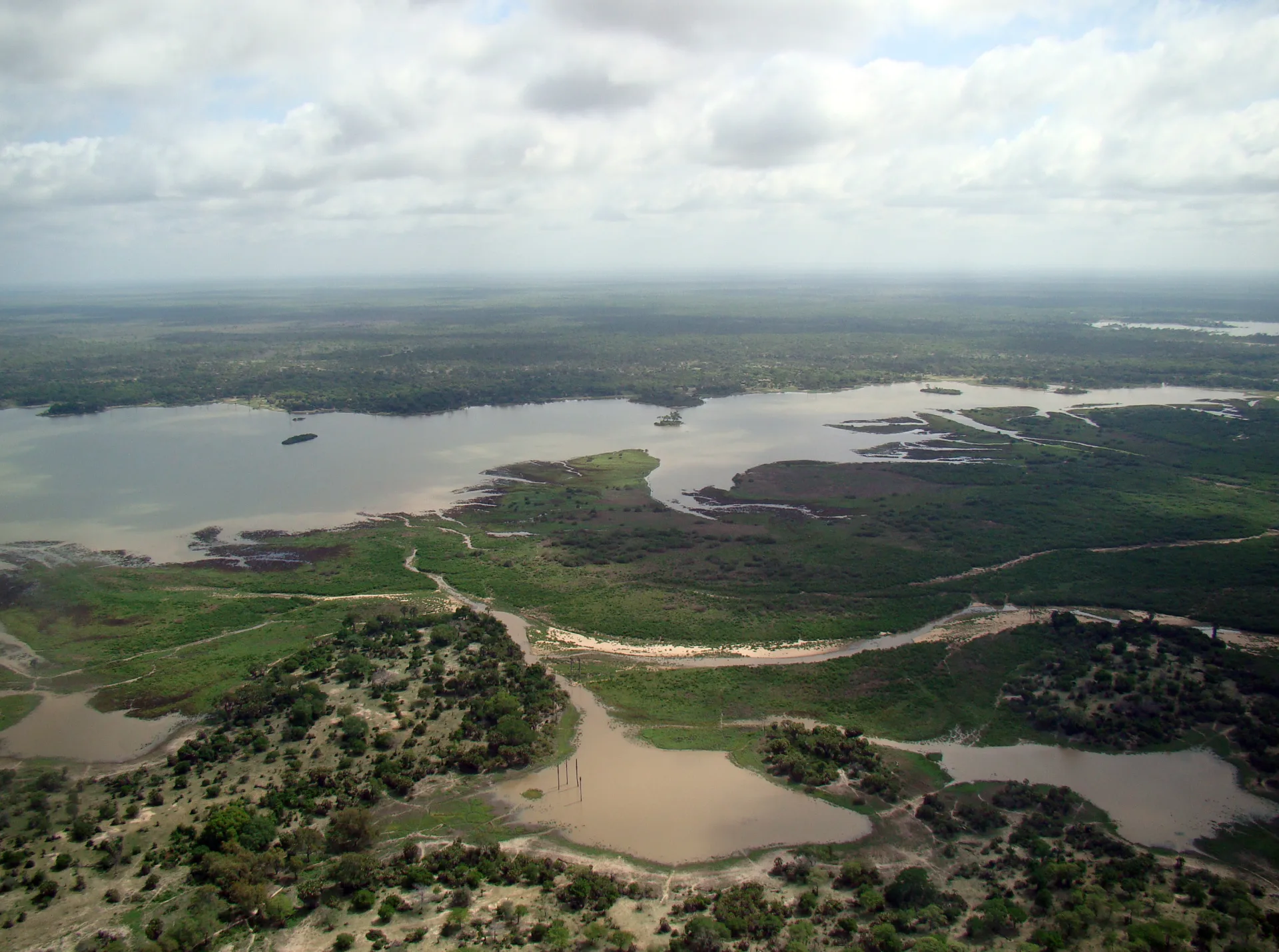
Nyerere National Park covers a vast southern wilderness where boat safaris and walking trails reveal Tanzania well beyond the tourist circuit
Zanzibar sits a short flight offshore, pairing Indian Ocean beaches with any safari itinerary for a natural finish
38%
Land Protected
Big Five
Ngorongoro
5,895m
Kilimanjaro
7 to 14
Days Ideal
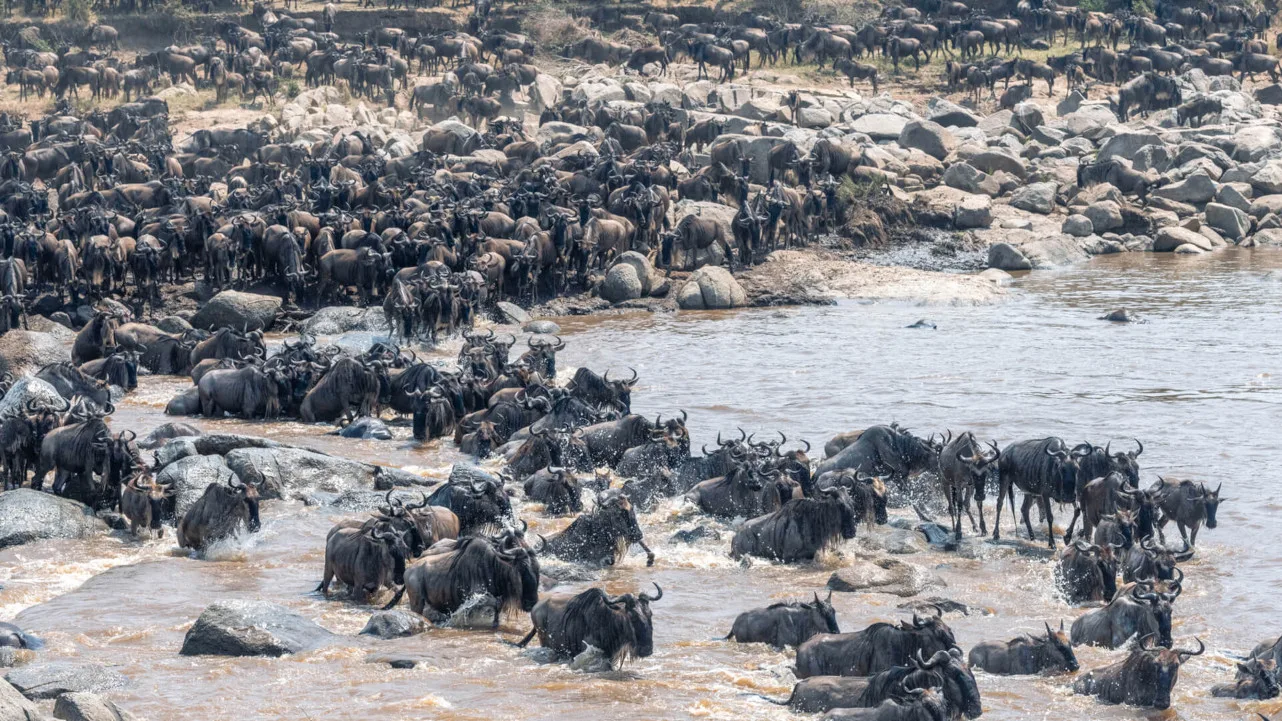
Wildebeest crossing the Mara River, Serengeti
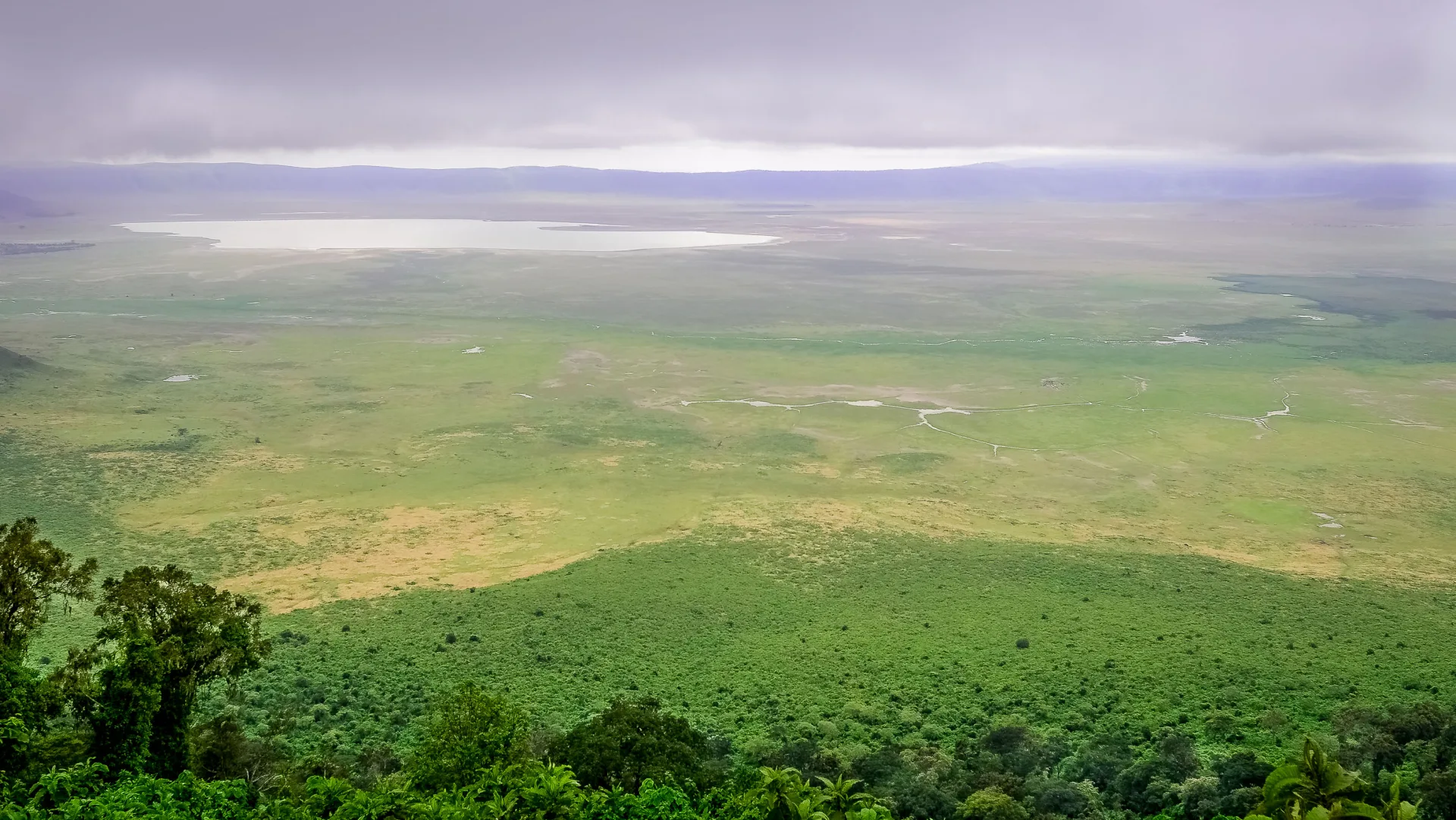
Wildlife in Ngorongoro Crater, Tanzania
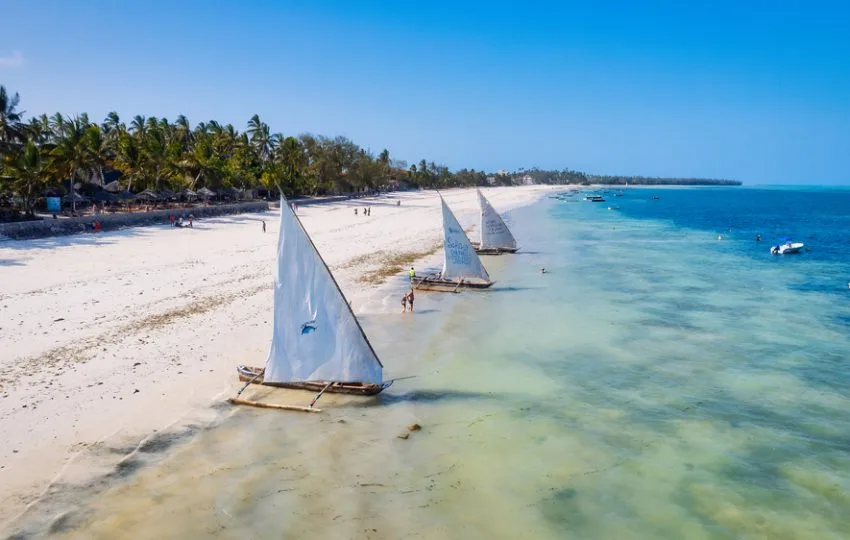
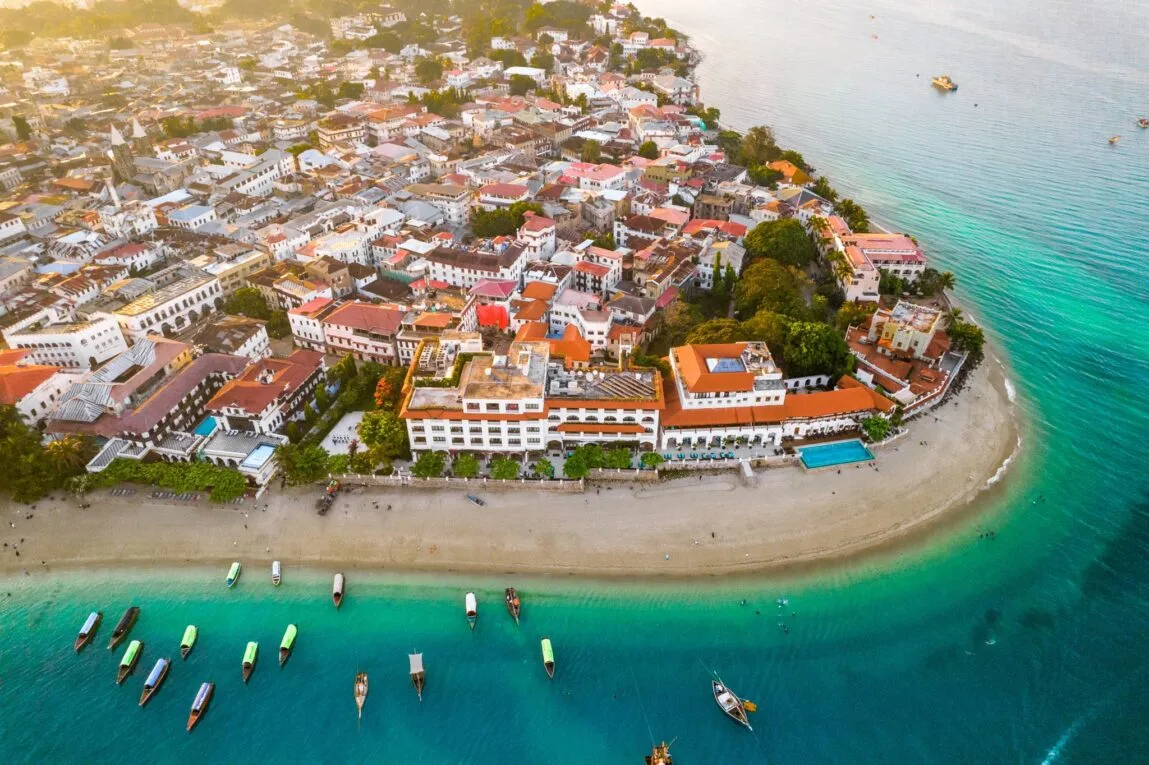
Zanzibar coastline, Tanzania
The Wild Places Inside Tanzania

Tanzania's Parks & Wild Ecosystems

Serengeti National Park

Serengeti NP

Great Migration · Big Five
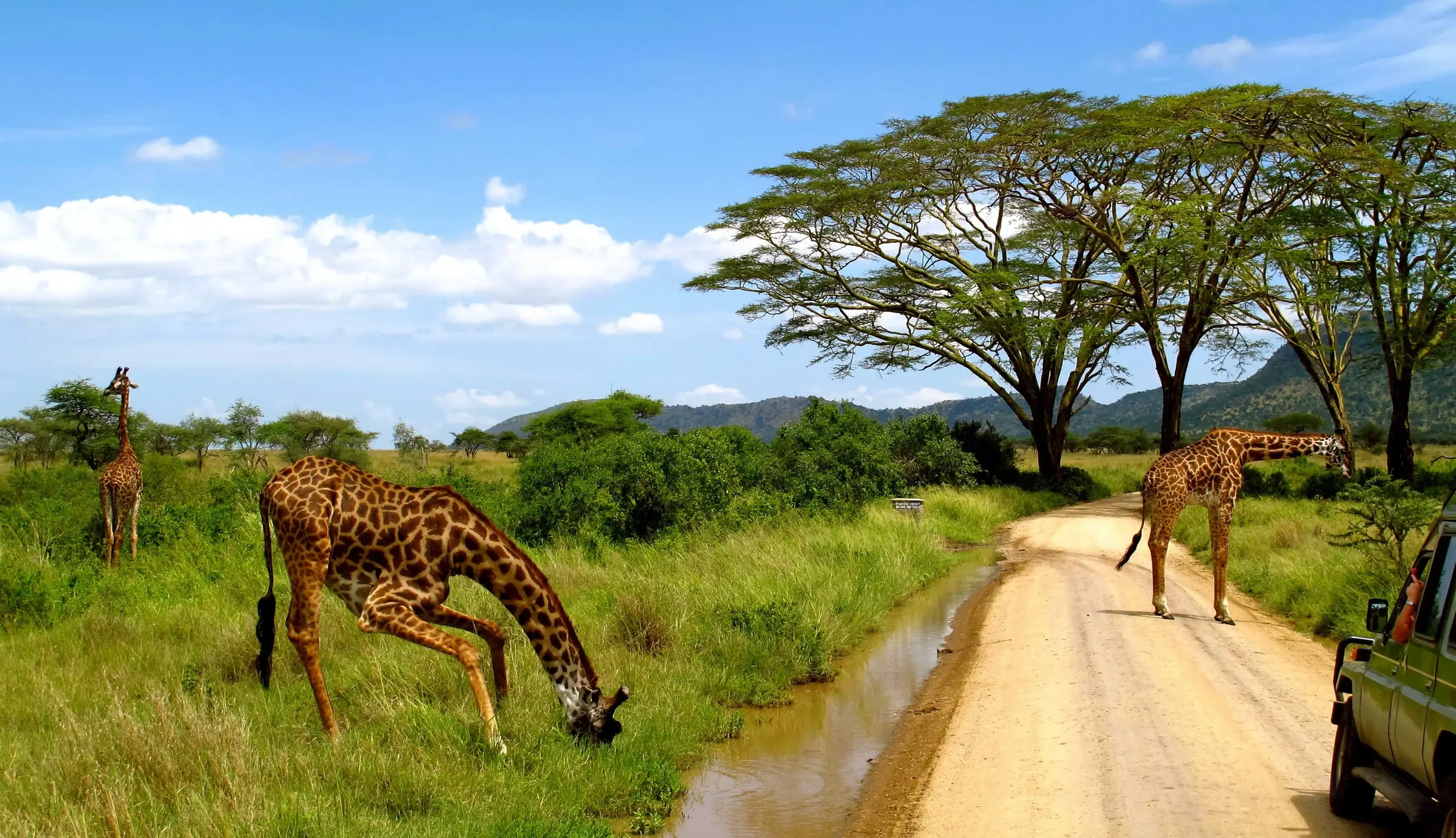
The year-round movement of immense herds plays out across its endless plains. Calving season fills the south from January to March. River crossings take over the north from July to October. Africa's largest lion prides are here throughout.
Ngorongoro Conservation Area

Ngorongoro Crater

Highest Big Five Density
A 260 km² volcanic caldera sheltering dense concentrations of wildlife within a single enclosed ecosystem, including one of Africa's last remnant black rhino populations. The Maasai have grazed cattle inside the conservation area for generations, making this a rare meeting of wildlife and living culture.
Tarangire National Park

Tarangire NP

Elephants · Baobab Trees
Ancient baobab trees frame some of the continent's largest elephant herds. Africa's highest elephant density outside Botswana, consistently underestimated and consistently worth it.
Ruaha National Park Tanzania

Ruaha NP

Lions · Wild Dogs · Walking Safaris
Tanzania's great southern wilderness. Lion populations here represent a significant share of what remains on the continent. Ruaha is also among Africa's most reliable places to find wild dogs, and the walking safaris rank among the finest available anywhere.
Nyerere National Park Tanzania

Nyerere NP

Boat Safaris · Walking · Wilderness
Formerly the Selous Game Reserve and one of Africa's largest protected areas. Boat safaris along the Rufiji River, guided walks through open woodland, and very few other visitors. Southern Tanzania at its most unhurried.
Lake Manyara National Park Tanzania

Lake Manyara NP

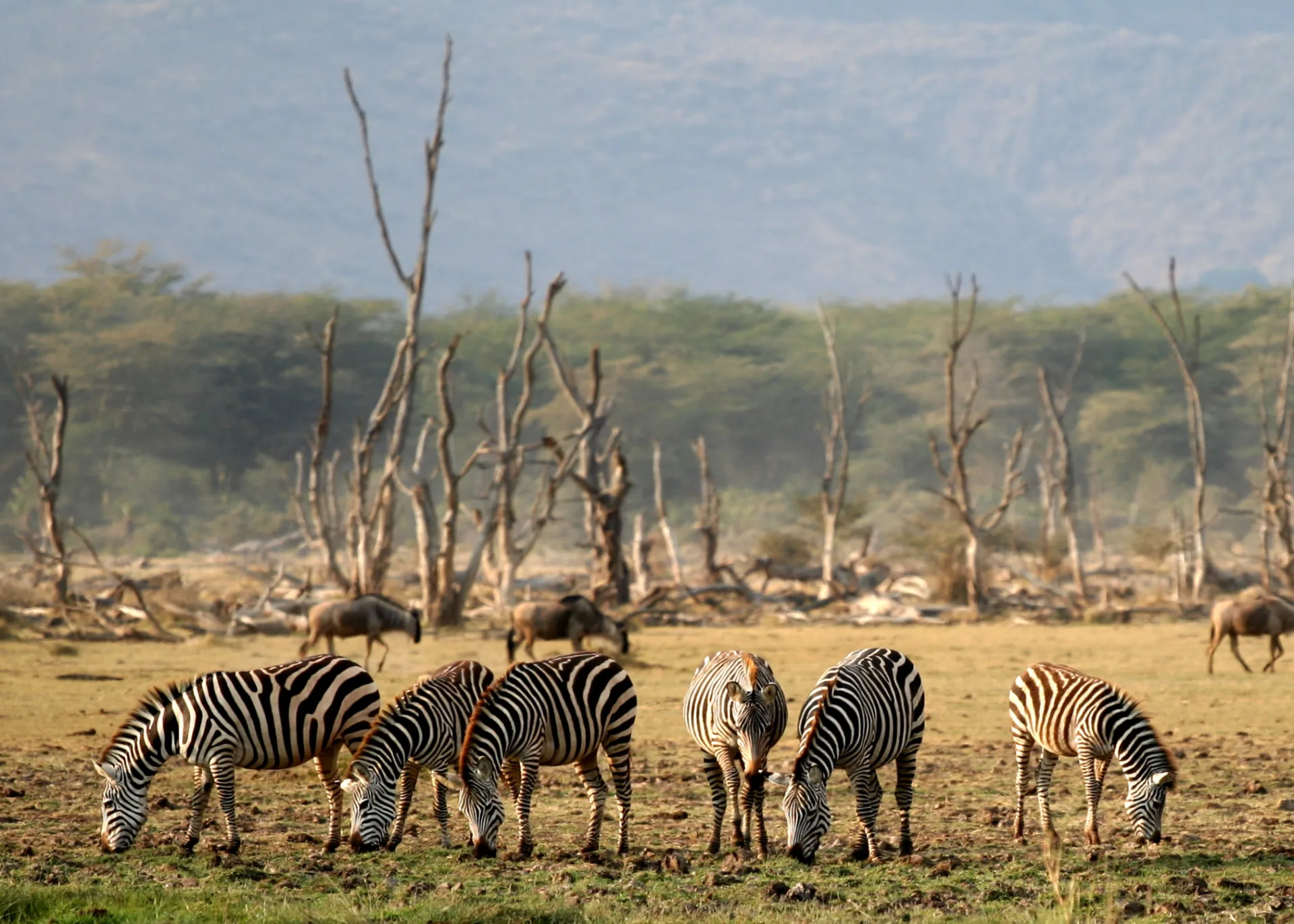
Tree-Climbing Lions · Flamingos · Rift Valley
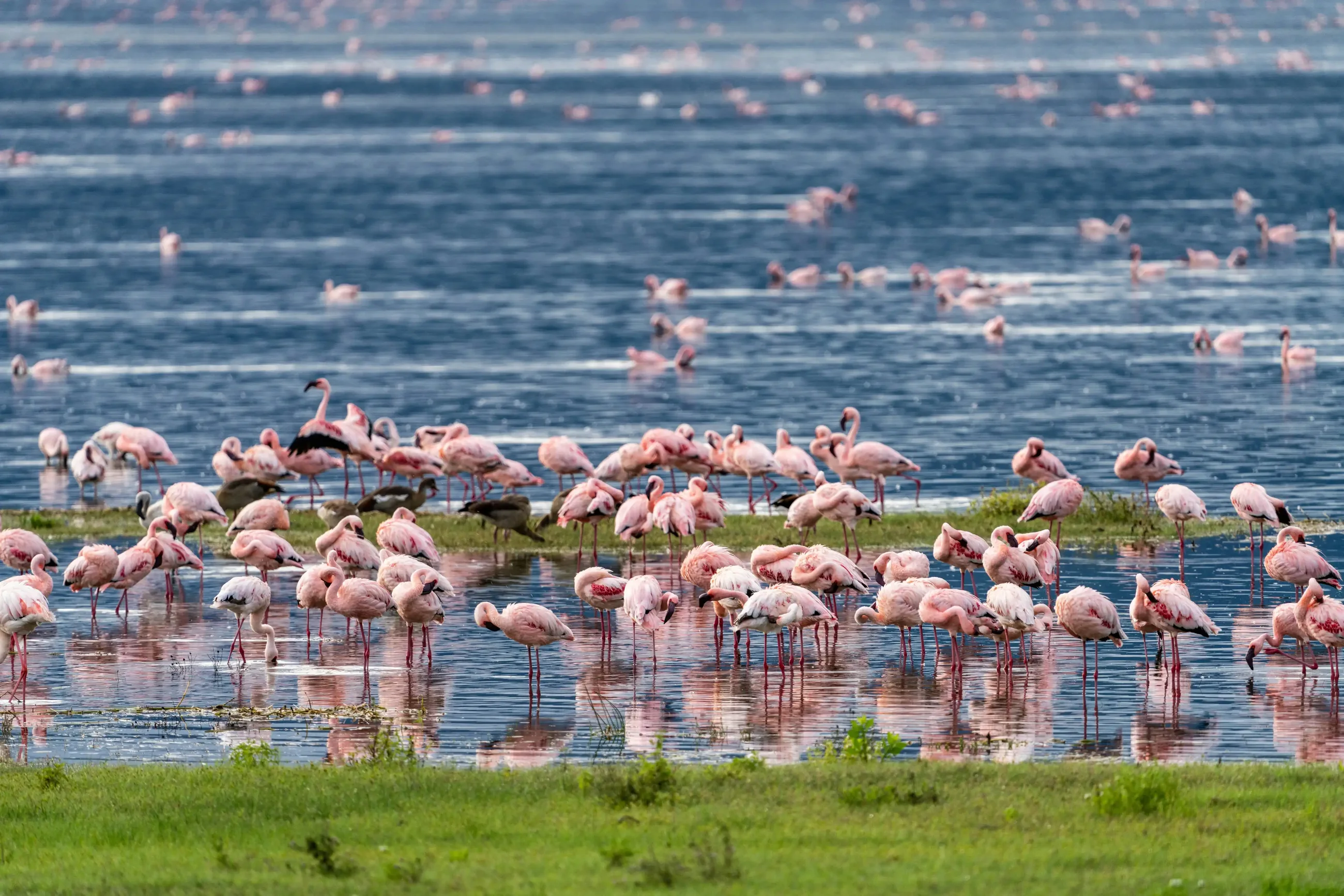
A compact park at the foot of the Great Rift Valley escarpment that holds one of the world's most unusual wildlife spectacles: lions that regularly climb trees — a behaviour documented in only two places on earth, here and Uganda's Ishasha. The alkaline lake draws great concentrations of lesser and greater flamingos. A remarkable diversity of birds has been recorded across the groundwater forest and open floodplain.
Arusha National Park Mount Meru Tanzania

Arusha NP

Mount Meru · Walking Safaris · Momella Lakes
The most-overlooked park in northern Tanzania, and one of the most scenically varied. Arusha wraps around Mount Meru — Africa's eighth-highest mountain at 4,562m — through highland forest, a collapsed crater, and out to the alkaline Momella Lakes where wading birds gather in numbers. Black-and-white colobus monkeys inhabit the canopy, giraffes range the open grasslands, and walking safaris are permitted throughout — something rare in Tanzania's bigger parks.
Mikumi National Park Tanzania

Mikumi NP

Big Five · Hippo Pools · Accessible Wilderness
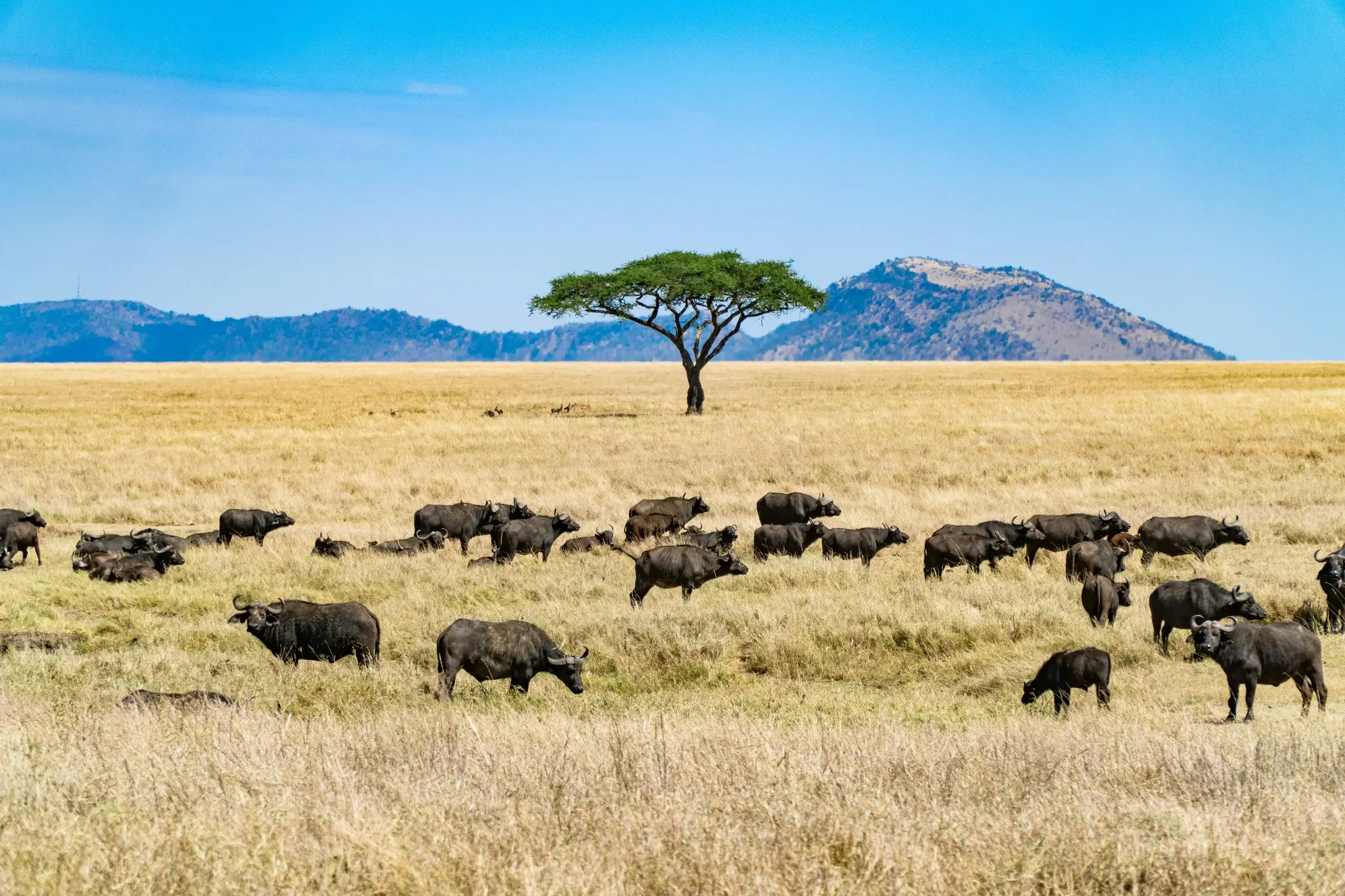
Tanzania's fourth-largest park at 3,230 km², positioned at the northern edge of the Nyerere ecosystem and sharing the same vast wildlife corridor. The Mkata floodplain concentrates hippos, buffalo, elephants, and lion in a landscape that reads like a quieter version of the Serengeti plains. Wild dogs move through the woodland edges, and the park sits just 300 kilometres from Dar es Salaam — making it one of Tanzania's most accessible wilderness areas.
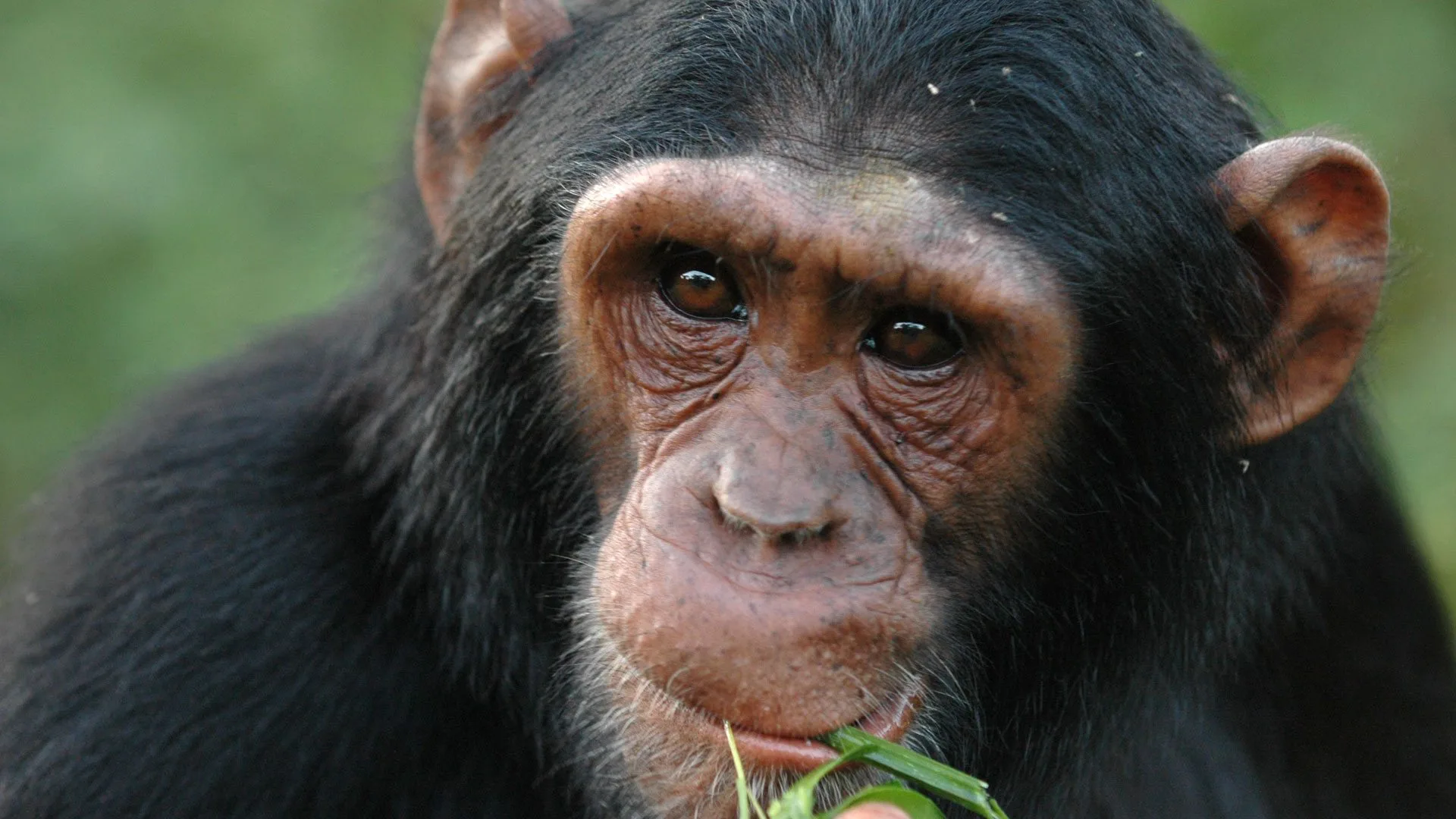
Mahale Mountains National Park chimpanzees Tanzania

Mahale Mountains NP

Chimpanzees · Lake Tanganyika · No Roads
The finest place on earth to track wild chimpanzees. Mahale holds the world's largest protected population of the eastern subspecies, along a forested escarpment above Lake Tanganyika's eastern shore. There are no roads inside the park: you arrive by boat and track on foot, which keeps visitor numbers low and encounters genuinely unscripted. A rich variety of birds has been recorded, including many Albertine Rift endemics.
Rubondo Island National Park Lake Victoria Tanzania

Rubondo Island NP

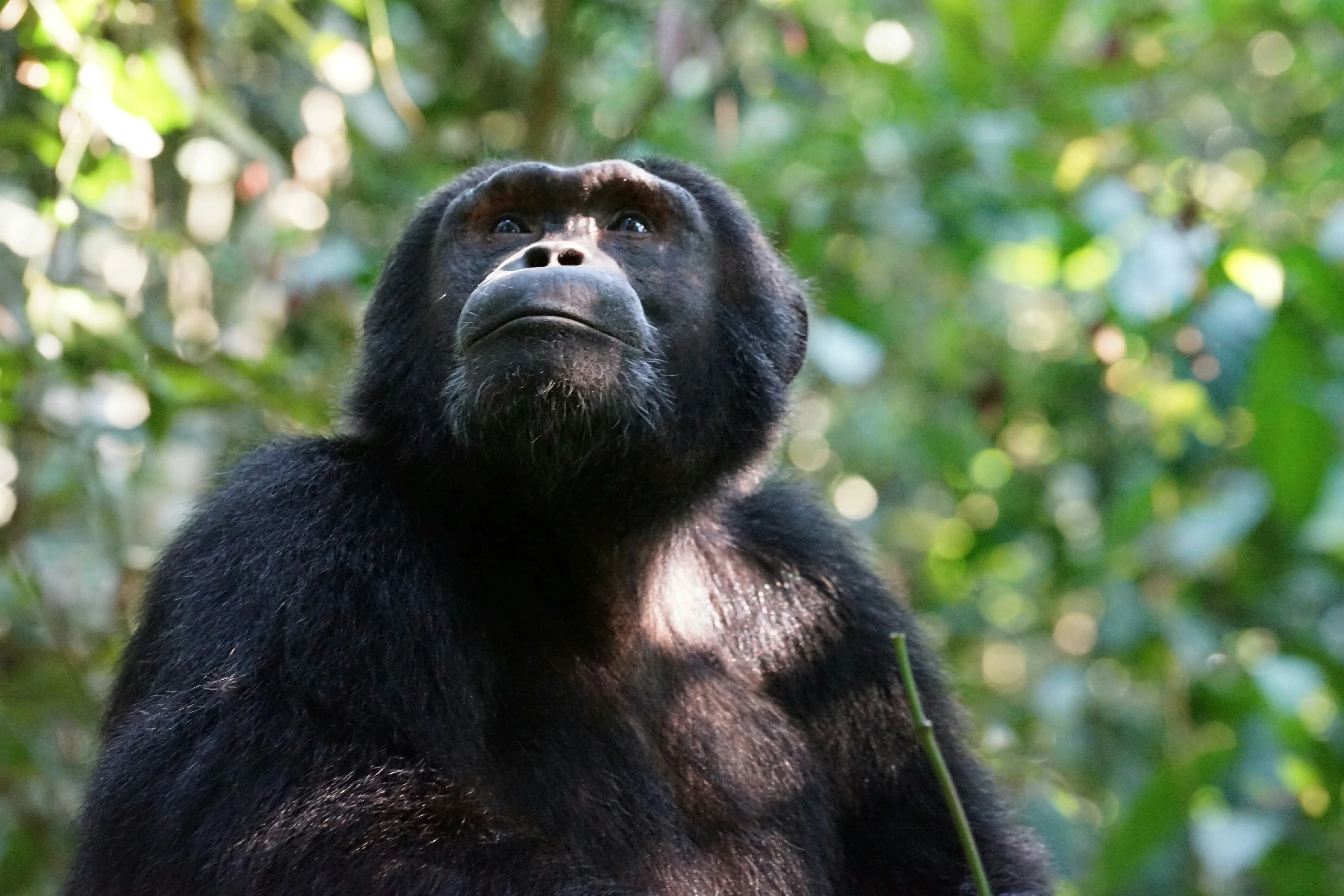
Chimpanzees · Lake Victoria · Congo Forest
An island park in Lake Victoria holding the only intact remnant of lowland Congolese forest in the entire lake region. In the 1960s, the Frankfurt Zoological Society released 17 wild-born chimpanzees here; their descendants now move through closed-canopy forest in two habituated troops, with almost no tourist pressure. Sitatunga, hippos, and a rich variety of birds complete an ecosystem unlike anything else in Tanzania.
Zanzibar Archipelago

Zanzibar Archipelago

Beaches · Culture · Spices
The natural conclusion to any Tanzania itinerary. UNESCO-listed Stone Town, coral gardens, and Indian Ocean beaches a short flight from the mainland.
The Creatures You'll Track

Who Lives on Tanzania's Plains

The Big Five in Tanzania
The Big Five
Tanzania's parks offer some of Africa's finest Big Five game viewing. Ngorongoro and the Serengeti consistently deliver, while Ruaha and Nyerere add depth for those willing to venture south.
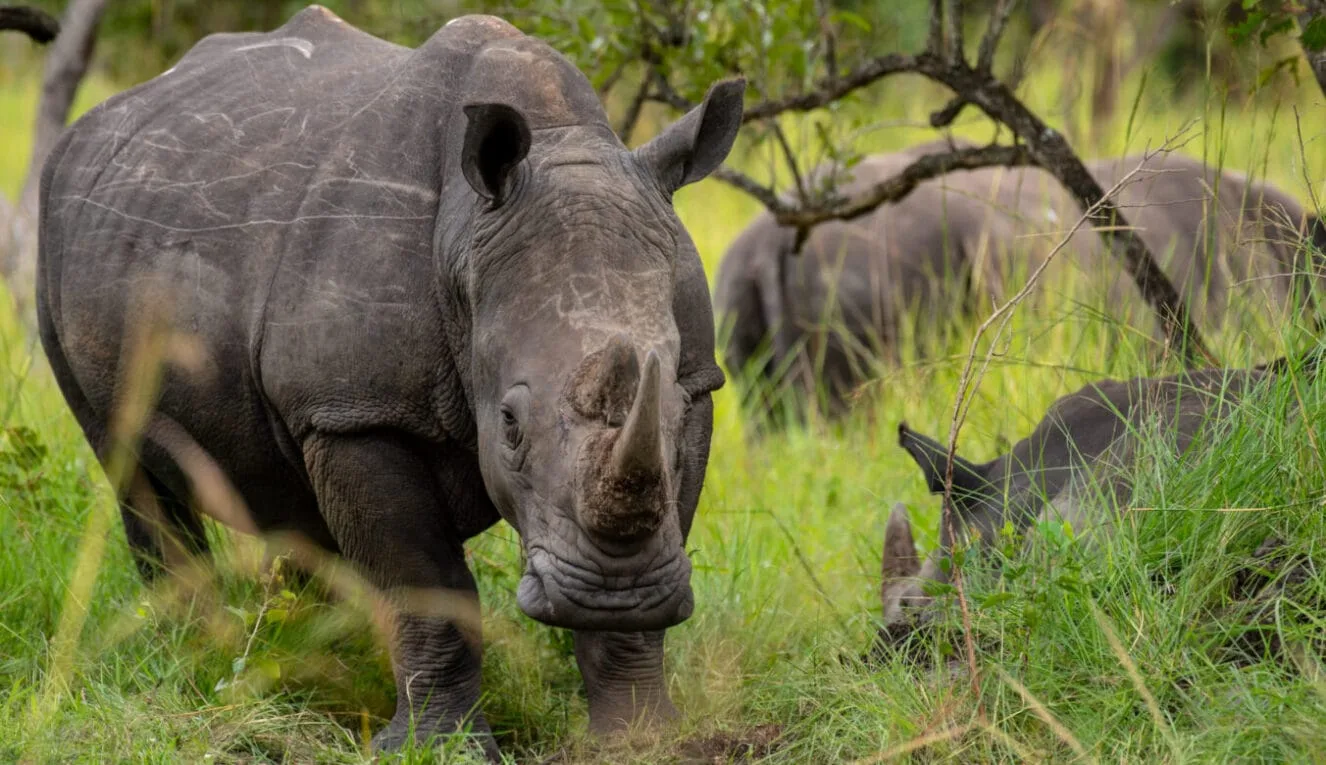
Black Rhinoceros in Ngorongoro
Black Rhinoceros
Ngorongoro Crater holds one of Africa's last remaining black rhino populations. Slow-moving and rarely seen elsewhere, every encounter here carries real weight.
African Elephants in Tanzania
African Elephants
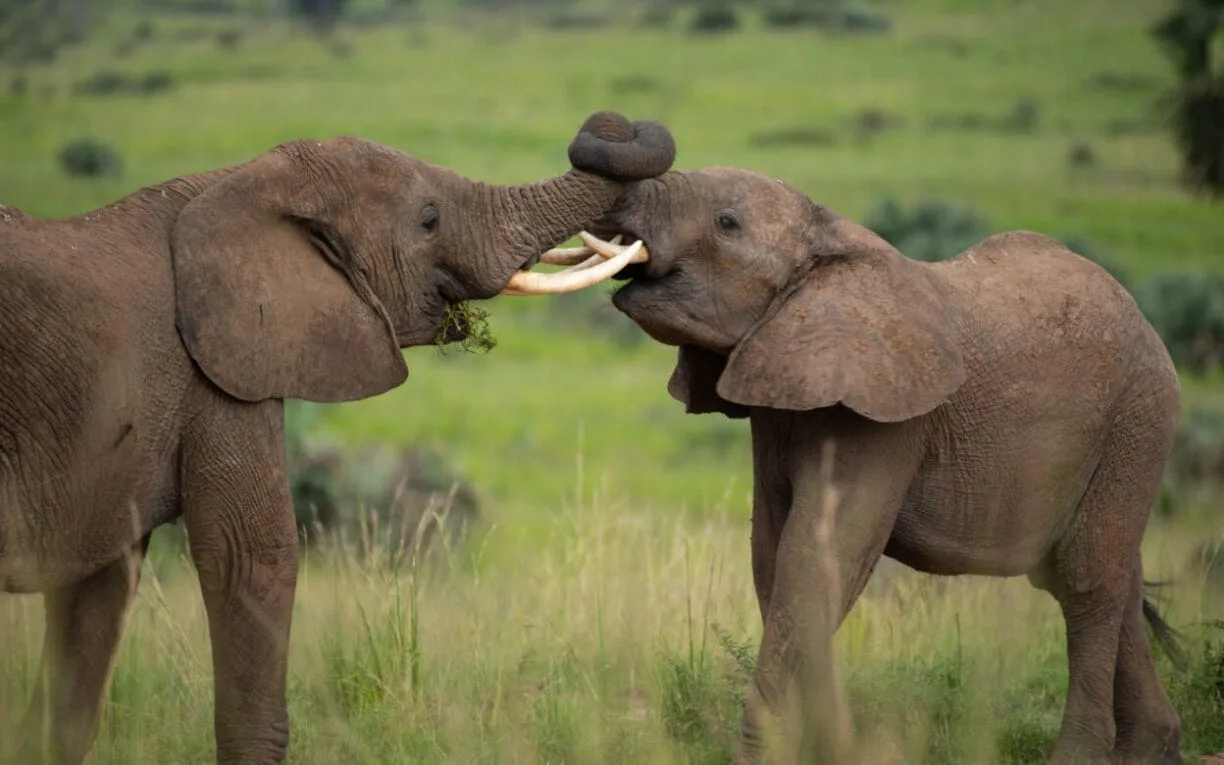
Tanzania holds one of Africa's largest elephant populations. Tarangire hosts especially large herds. Ruaha's elephants move through ancient corridors that conservation efforts are actively working to protect.
Big Cats and Wild Dogs in Tanzania
Big Cats & Wild Dogs
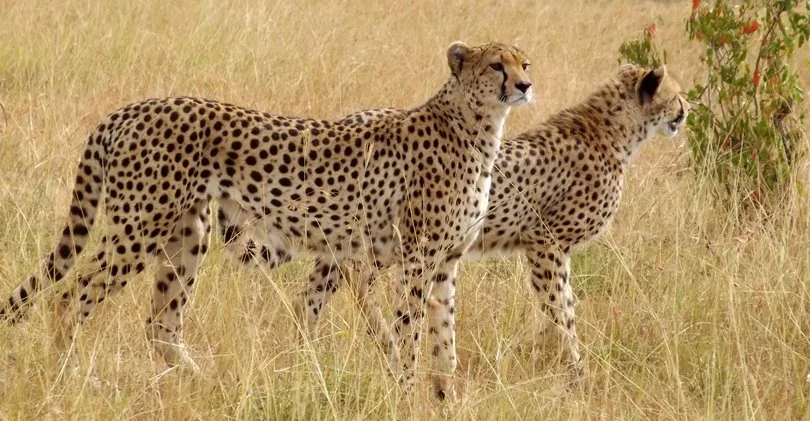
The Serengeti's open grasslands are among Africa's finest for cheetah encounters. Leopards are found in the riverine forests and fig tree groves. Ruaha and Nyerere rank among the continent's most reliable places to find wild dogs on the hunt.
Read the Season Before You Book

When to Come to Tanzania

Peak season offers optimal wildlife viewing and dry trail conditions. Green season provides lush scenery and fewer crowds.
Jan
Calving
Feb
Calving
Mar
Good
Apr
Off peak
May
Off peak
Jun
Peak
Jul
Migration
Aug
Migration
Sep
Migration
Oct
Peak
Nov
Good
Dec
Good
Peak Season: best wildlife & weather
Good Season: great value, greener landscapes
Off Season: possible but wetter
Tanzania

Tanzania. The Safari That Resets Everything.

From Arusha to the Serengeti to a Zanzibar dhow, we join the dots into one seamless journey. Tell us what draws you and we'll build the route around it.