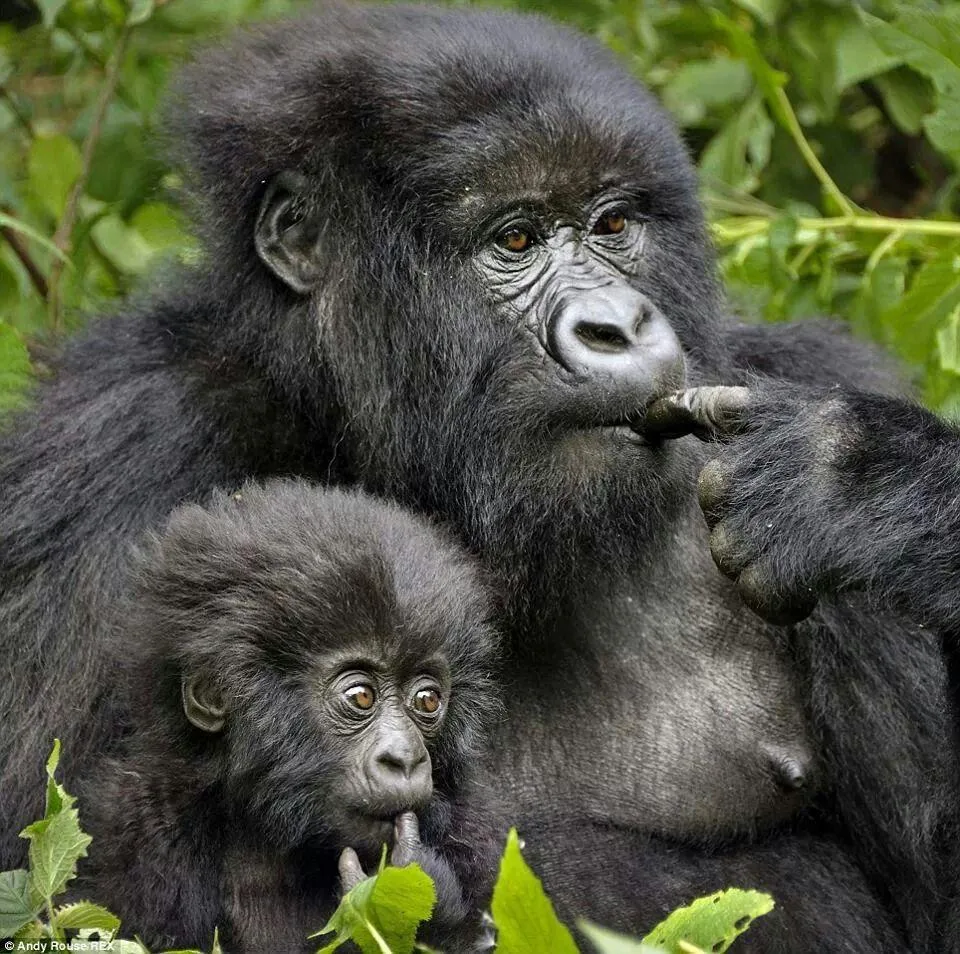
Two countries, the same magnificent animal, and one of the most common questions we are asked: should I trek gorillas in Uganda or Rwanda? Both are extraordinary, and the gorillas themselves are the same species moving freely across the same Virunga and Bwindi forests. The right choice comes down to your time, your budget, and the kind of journey you want to build around that one unforgettable hour.
The short version: Rwanda is faster to reach and more polished, at a premium. Uganda is better value, feels wilder, and pairs naturally with chimpanzees and Big Five wildlife on a longer safari. You will not regret either.
| At a glance | Uganda | Rwanda |
|---|---|---|
| Gorilla permit | USD 800 per person | USD 1,500 per person |
| Where you trek | Bwindi Impenetrable Forest, plus Mgahinga | Volcanoes National Park |
| Habituated families | More groups, across four sectors | Concentrated within one park |
| Getting there | Fly to Entebbe, then a fly-in or scenic drive | Fly to Kigali, then a 2 to 3 hour drive |
| The terrain | Dense ancient rainforest, steep and wild | Bamboo and volcano slopes, higher and more open |
| Pairs well with | Chimps in Kibale, Big Five in Queen Elizabeth and Murchison | Golden monkeys, Nyungwe chimps, Akagera |
| Best for | Value, a wilder feel, longer multi-park safaris | Speed, comfort, a polished short break |
Permits and cost
The headline difference is the permit. A gorilla trekking permit costs USD 800 per person in Uganda and USD 1,500 per person in Rwanda. Both are set by the national authorities, the Uganda Wildlife Authority and the Rwanda Development Board, and confirmed at the time of booking. Each permit buys one hour with a habituated gorilla family, and only eight permits are issued per family per day, which is what keeps these encounters so intimate.
Rwanda’s higher fee is a deliberate positioning choice, pitching Volcanoes National Park firmly at the top of the market. Uganda offers the same hour with the same gorillas for less, which leaves more of your budget for exceptional lodges or extra days in the field. Uganda also offers something Rwanda does not: the Gorilla Habituation Experience in Bwindi’s Rushaga and Nkuringo sectors, four hours with a family still being habituated, for USD 1,500. We handle all permit procurement on your behalf, one of the most important logistics steps of the entire trip. See our safari pricing guide and safari FAQs for more.
Getting there
Rwanda wins on convenience, comfortably. You land at Kigali International Airport and drive 2 to 3 hours on good roads to the foot of the volcanoes near Musanze. It is entirely possible to fly in, trek, and fly out inside three days, which is why Rwanda suits travellers who are short on time or adding gorillas to a wider trip.
Uganda asks a little more of you, and rewards it. From Entebbe International Airport you reach Bwindi either by a long, scenic overland drive through the highlands or, as most of our guests prefer, by a short light-aircraft fly-in to an airstrip near the forest. The extra effort is part of what keeps Bwindi feeling remote and uncrowded.
The trek itself
Both treks are weather and luck dependent, because the gorillas move where they please. In Bwindi, the forest is ancient, dense and steep, and a trek can run from one to six hours or more through thick vegetation. Rwanda’s Volcanoes sits higher, on bamboo and open volcanic slopes that some find easier underfoot, though the altitude can be felt. A reasonable level of fitness helps in either country, porters are available at both, and the minimum age is 15.
Scenery and atmosphere
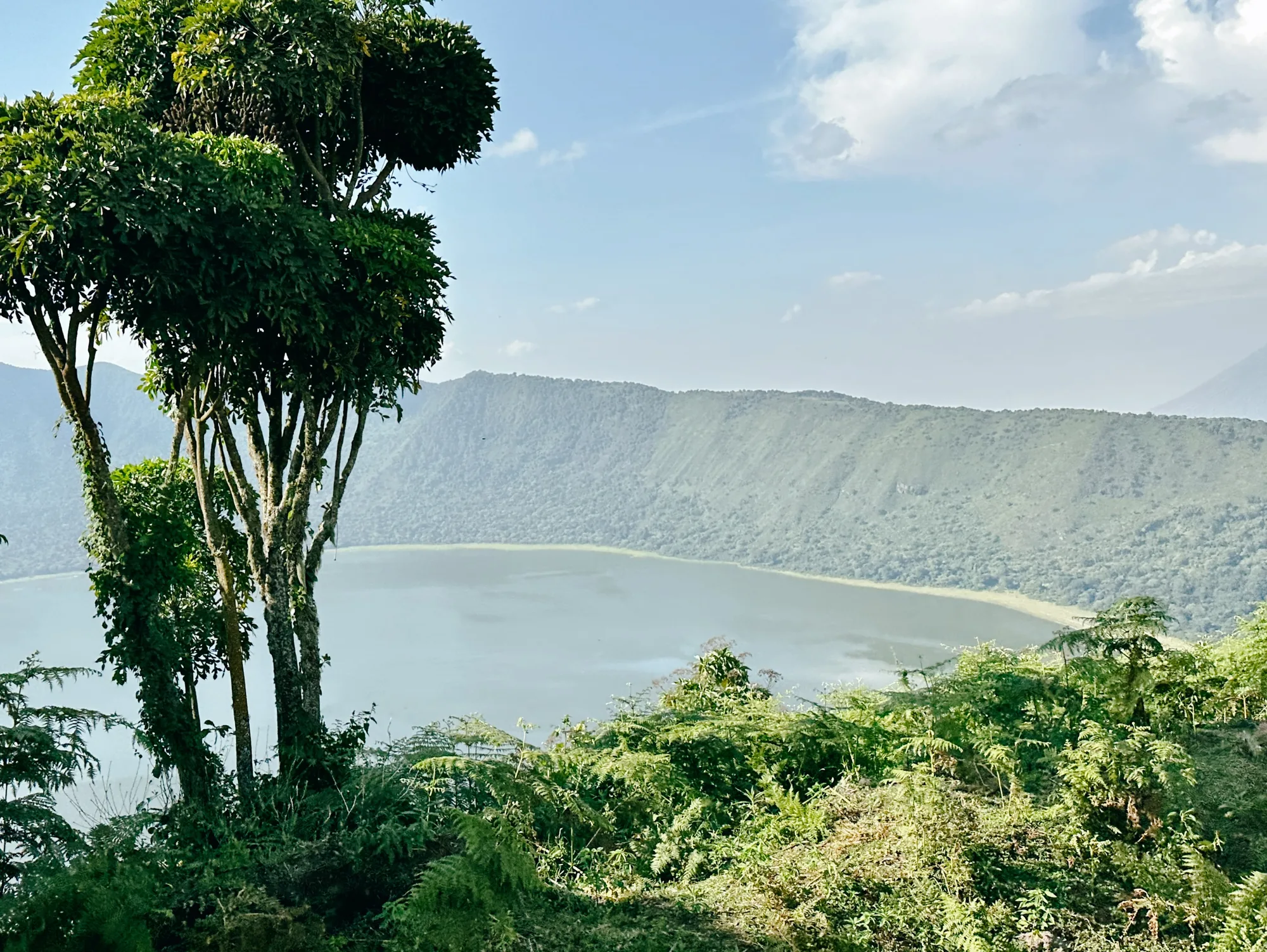
This is where the two part company. Rwanda gives you the drama of the Virunga cones rising above tidy terraced hills, a landscape that feels composed and cinematic. Uganda gives you something older and wilder: a UNESCO-listed rainforest alive with birdsong and primates, where the canopy closes overhead and the sense of wilderness is total. Neither is better. They are simply different moods.
What else you can pair it with
This is Uganda’s quiet advantage. Gorillas sit naturally within a much broader safari: chimpanzee tracking in Kibale, tree-climbing lions and boat cruises in Queen Elizabeth, and the thundering Nile at Murchison Falls. Our 12 Days Uganda Gorilla & Wildlife Safari shows how it comes together, or browse all Uganda safaris.
Rwanda is more compact but beautifully rounded, adding golden monkeys in the Virungas, chimpanzees and a canopy walk in Nyungwe, and a Big Five rewilding story in Akagera. See our Rwanda safaris, such as the 15 Days Rwanda & Uganda Luxury Gorilla Safari.
Many of our guests do not choose at all. A combined itinerary crosses the border to trek in both countries, like the 16 Days Uganda to Rwanda Gorilla Safari, and our multi-country safaris are built exactly for this.
Best time to go
The pattern is the same in both countries. The dry seasons, roughly June to September and December to February, bring firmer trails and easier hiking, while the green seasons are quieter, lusher and gentler on the wallet. Permits do not change price by season. For the full picture, read our guide to the best time for gorilla trekking.
So, which should you choose?
Choose Rwanda if your time is tight, you value a short and seamless trip, and you are happy to pay a premium for convenience and polish.
Choose Uganda if you want better value, a wilder forest, the option of a four-hour habituation experience, and a longer safari that folds in chimpanzees and Big Five wildlife.
Choose both if this is a milestone trip. Trekking in Bwindi and Volcanoes on the same journey is the definitive Great Lakes gorilla experience.
Whichever way you lean, we will build the trip around you. Speak to an Expert and we will shape an itinerary to your dates, pace and interests.