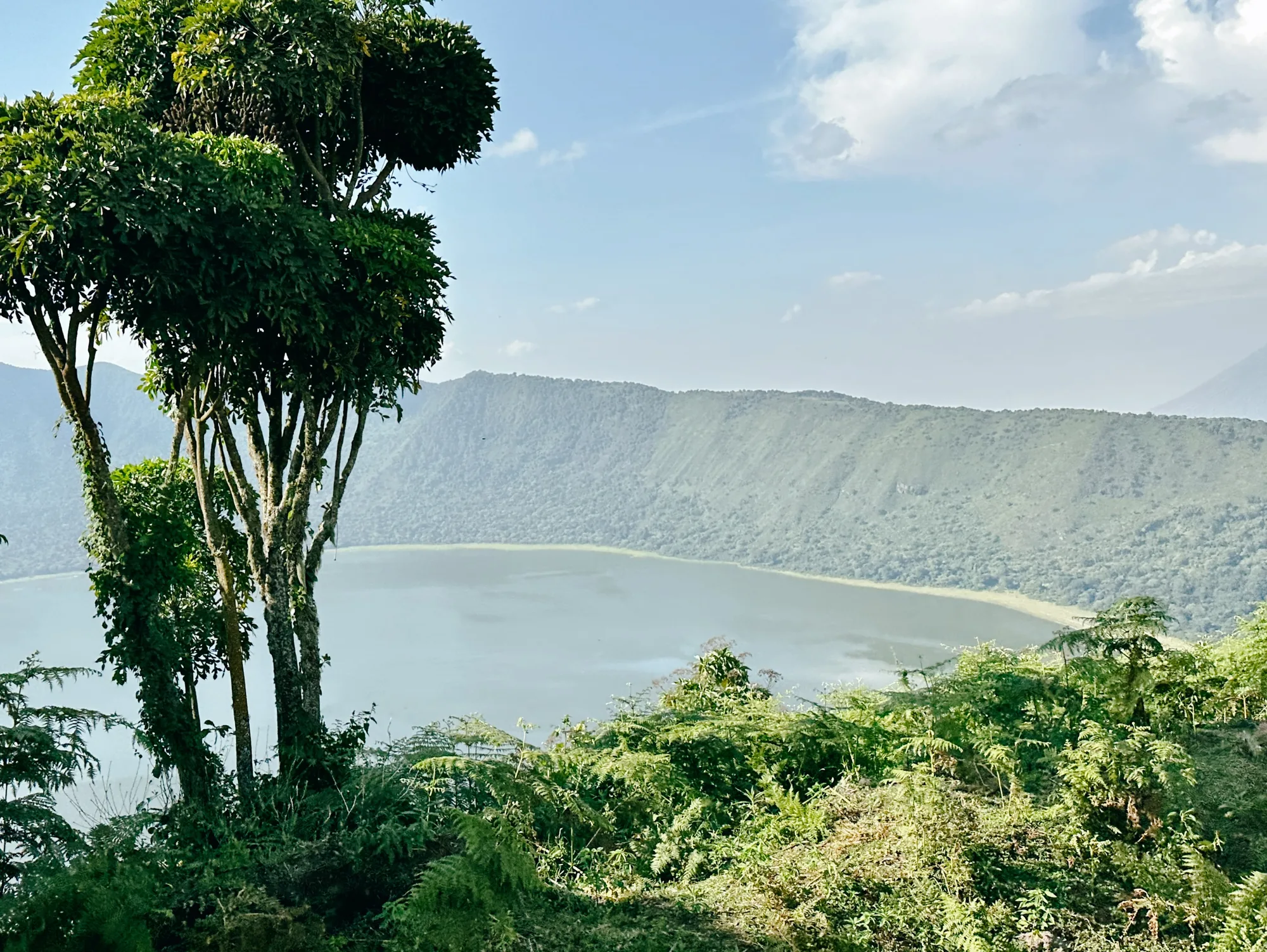
The Empakaai Crater hike is a full-day trek in the Ngorongoro Conservation Area highlands of Tanzania, descending 500 metres into a volcanic caldera that holds a flamingo-dotted alkaline lake. At 2,500m elevation, the 7km-wide crater is far less visited than Ngorongoro, making it one of the most rewarding off-the-beaten-path walks in East Africa. Expect 4 to 6 hours of hiking through montane forest, with Maasai guides and views across the Rift Valley on clear days.
Where Is Empakaai Crater and How Did It Form?
Formed by a massive volcanic eruption millions of years ago, Empakaai Crater (also spelled Emakai) is part of the Ngorongoro Highlands, standing tall at an elevation of about 2,500 meters (8,200 feet) above sea level. With a diameter of approximately 7 kilometers and a depth of around 500 meters, the crater is home to a shallow soda lake that glows turquoise under the sun.
While nearby Ngorongoro Crater draws global crowds, Empakaai remains pristine and largely untouched, providing hikers with a serene and secluded environment surrounded by dramatic escarpments and misty montane forest.
What Is the Empakaai Crater Hike Like?
Hiking Empakaai is a moderately challenging trek that rewards explorers with spectacular views and unique wildlife encounters.
- Trail Access and Duration: Most hikes begin from nearby villages such as Monduli or Ndutu. A round-trip journey takes 6 to 8 hours, depending on your pace and trail conditions.
- Scenic Descent: The trail leads hikers through lush montane forest filled with towering fig trees, giant lobelias, and other indigenous flora, eventually descending steeply to the crater floor.
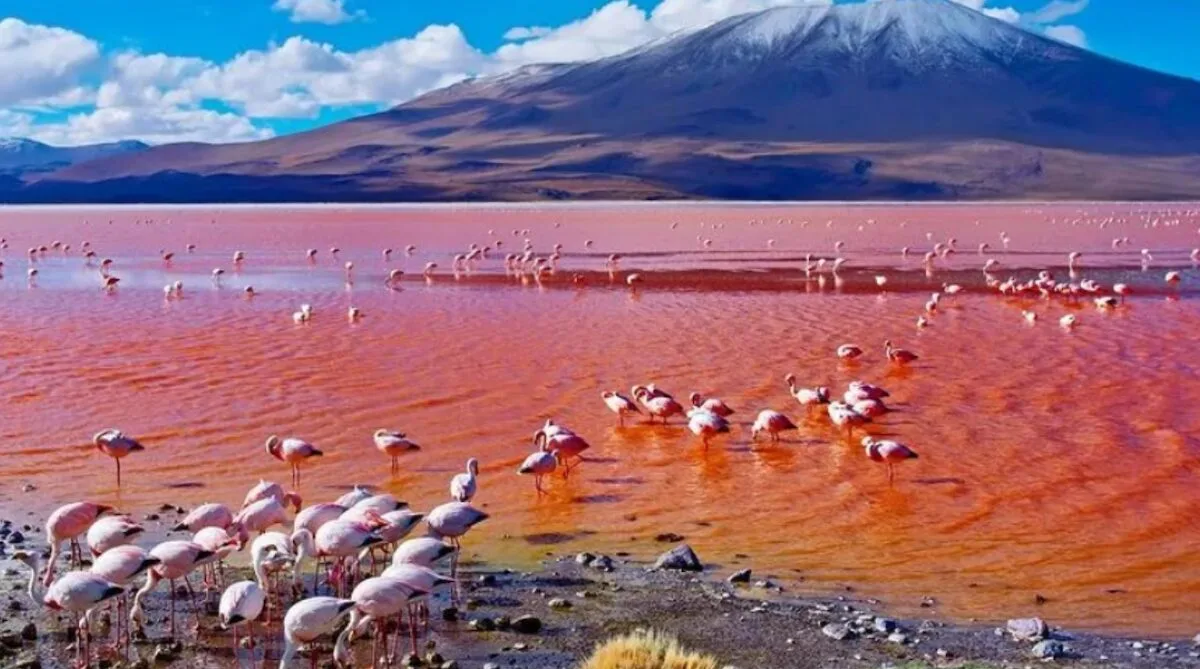
- Soda Lake Exploration: At the base lies a shallow, alkaline lake famous for attracting flocks of flamingos, pelicans, and other waterbirds, making it a haven for bird lovers and photographers.
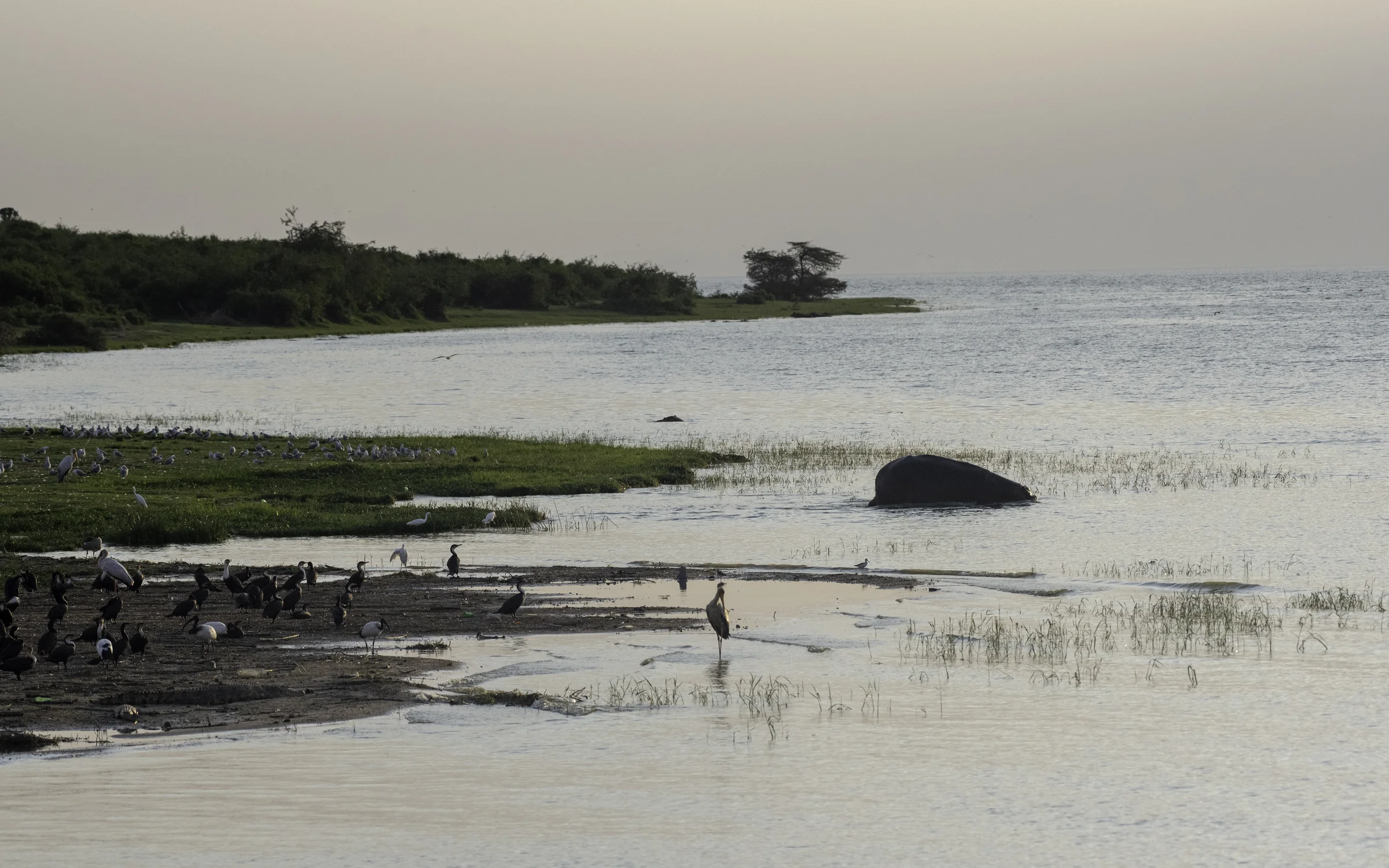
- Wildlife Spotting: Visitors often spot buffalo, baboons, colobus monkeys, and even elephants venturing into the crater to drink from the lake.
- Ascent and Panoramic Views: The uphill trek back is challenging but breathtaking, offering sweeping views of the crater rim, the Great Rift Valley, and surrounding highlands.
Why Does Empakaai Matter Ecologically?
Empakaai is a vital ecological treasure within the Ngorongoro ecosystem. Its unique combination of habitats supports a wide array of flora and fauna:
- Montane Forests: These dense forests harbor rare plants and offer shelter to wildlife that thrive only in high-altitude conditions.
- Alkaline Lake Ecosystem: The soda lake provides a unique habitat for migratory birds and microorganisms that can survive in highly saline environments.
- Biodiversity Corridor: Empakaai serves as a crucial link between wildlife habitats across the Ngorongoro Highlands, allowing for migration and genetic diversity.
Maasai Culture and Community Tourism
The Empakaai region is not only a natural marvel but also a cultural landscape deeply connected to the Maasai people:
- Sacred Land: The crater is considered spiritually significant by the Maasai, who continue to practice sustainable grazing around its rim.
- Community-Based Tourism: Local guides, porters, and hosts ensure that tourism directly supports nearby Maasai communities, empowering them economically while preserving cultural traditions.
- Cultural Encounters: Visitors can engage in authentic experiences, from village visits and traditional dances to storytelling and learning about pastoral lifestyles.
How to Plan Your Empakaai Crater Hike
Planning to explore Empakaai? Here’s what you need to know:
- Best Time to Visit: The dry seasons (June–October and December–February) offer the best conditions for hiking.
- Guides and Permits: A licensed guide is mandatory for all hikes. Permits must be arranged through the Ngorongoro Conservation Area Authority (NCAA).
- What to Pack: Comfortable hiking boots, rain jacket and sun hat, water and energy snacks, binoculars, camera, and a light daypack.
- Where to Stay: Accommodations range from eco-lodges and luxury camps in Ndutu and Karatu, to budget-friendly guesthouses for backpackers and groups.
Conservation and Responsible Travel
Preserving the integrity of Empakaai Crater is a shared responsibility between conservationists, communities, and conscious travelers:
- Leave No Trace: Visitors are encouraged to minimize waste and stick to designated paths.
- Local Involvement: Conservation projects work closely with Maasai communities to align traditional practices with modern sustainability goals.
- Ongoing Research: Ecologists and geologists continue to monitor the crater’s biodiversity and geological shifts, ensuring long-term protection of this fragile ecosystem.
Plan Your Hike with Orika Africa
At Orika Africa Tours, we specialize in crafting meaningful and immersive journeys across East Africa. Our Empakaai Crater Hike experience combines:
Our Empakaai package combines expert local guides, authentic cultural interactions with Maasai communities, flexible itineraries, and responsible tourism practices that directly support conservation and local livelihoods.
Ready to Explore Empakaai?
The Empakaai Crater Hike is more than just a trek. It’s a journey through volcanic history, ecological wonder, and vibrant culture. Whether you’re a seasoned hiker or a curious explorer, this trail will leave you in awe of Tanzania’s raw beauty and the resilience of its people.
Contact Orika Africa Tours today to customise your crater hike adventure.
To experience Empakaai as part of a full northern circuit, our 9 Days Northern Circuit Tanzania Safari weaves together the Serengeti, Ngorongoro, Lake Manyara and the highland craters. For those drawn to Kilimanjaro alongside the crater highlands, the 14 Days Tanzania Safari and Kilimanjaro Adventure is an outstanding combination. The nearby Ol Moti Crater Hike makes an excellent companion day, and Visiting Olduvai Gorge adds a remarkable human-history dimension to a northern Tanzania journey. For everything else Tanzania holds, our Tanzania destination guide covers the full country.