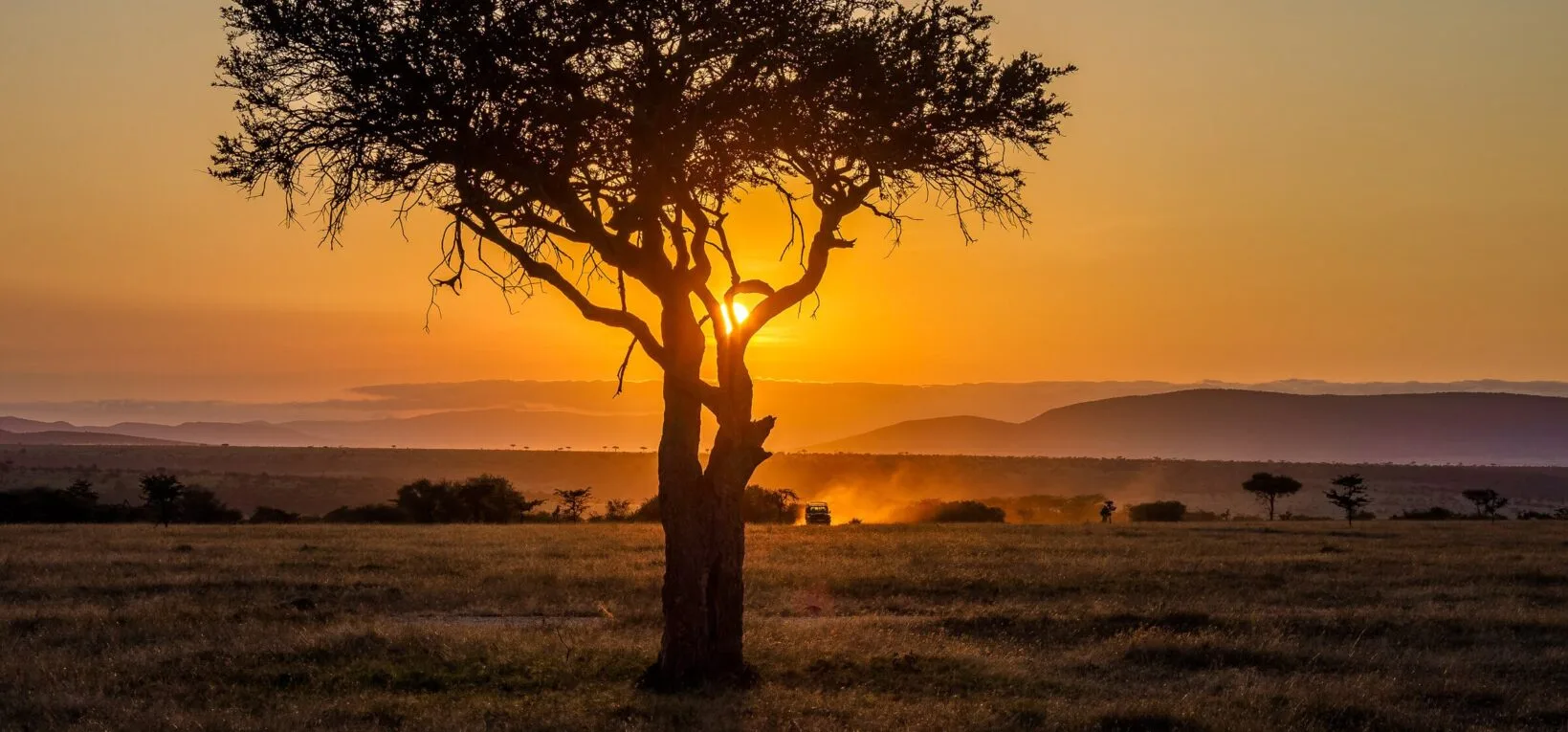
The MAA Trust is a Kenyan community conservation organisation founded in 2002 to give Maasai landowners a direct financial stake in protecting the Mara ecosystem. It manages conservancies that buffer the Maasai Mara reserve, providing wildlife corridors and low-density tourism that generates income for local families. If you have stayed at a camp in the Mara conservancies rather than the reserve itself, the land was almost certainly managed under an arrangement the MAA Trust helped design.
What Is the MAA Trust and Why Was It Founded?
The Maasai Mara ecosystem, spanning approximately 1,510 square kilometers, is renowned worldwide for its exceptional biodiversity and the annual wildebeest migration. However, balancing conservation with the needs and rights of the indigenous Maasai people has historically presented complex challenges.
In response, the MAA Trust was established in 2002 as a community-based organization (CBO) aimed at:
-
Fostering Conservation: Protecting the Maasai Mara’s rich flora and fauna, including endangered species such as lions, elephants, and cheetahs.
-
Community Empowerment: Supporting Maasai pastoralists by promoting sustainable livelihoods that coexist with wildlife conservation.
-
Conflict Resolution: Addressing human-wildlife conflicts and land-use disputes through dialogue and cooperative management.
The acronym “MAA” reflects the Maasai people’s deep cultural and spiritual connection to the land and wildlife, encapsulating the Trust’s ethos of stewardship and partnership.
What Does the MAA Trust Actually Do?
The MAA Trust’s mission revolves around three interconnected pillars:
-
Conservation and Wildlife Protection: Implementing anti-poaching patrols, habitat restoration projects, and wildlife monitoring programs to safeguard the ecosystem’s integrity.
-
Community Development: Facilitating education, healthcare, and economic development initiatives that enhance the quality of life for local Maasai communities.
-
Sustainable Land Management: Promoting land-use practices that balance pastoralism, agriculture, and wildlife conservation, including community conservancies and eco-tourism ventures.
MAA Trust Conservation Programmes
The MAA Trust has launched several impactful projects tailored to local needs and conservation goals:
-
Community Conservancies: Partnering with Maasai landowners to establish community-run conservancies that protect wildlife corridors while generating revenue through eco-tourism.
-
Environmental Education: Conducting outreach programs in schools and villages to raise awareness about the importance of biodiversity and sustainable resource management.
-
Human-Wildlife Conflict Mitigation: Developing strategies such as predator-proof bomas (livestock enclosures) and early-warning systems to reduce livestock losses and foster coexistence.
-
Alternative Livelihoods: Supporting beekeeping, crafts, and sustainable agriculture to diversify income sources and reduce dependence on natural resources.
-
Anti-Poaching Efforts: Training and equipping local scouts to patrol and monitor wildlife, helping to curb illegal hunting and trade.
Community Impact and Partnerships
The MAA Trust’s community-centric approach has yielded tangible benefits:
-
Economic Empowerment: Through revenue-sharing from tourism and conservancies, Maasai communities have invested in schools, health clinics, and infrastructure.
-
Cultural Preservation: The Trust actively promotes Maasai traditions and knowledge, integrating cultural values with modern conservation techniques.
-
Stakeholder Collaboration: The MAA Trust collaborates with governmental agencies like the Kenya Wildlife Service, NGOs, tourism operators, and international donors to enhance conservation outcomes.
Challenges and What Comes Next
While the MAA Trust has achieved significant milestones, it continues to navigate challenges such as:
-
Population Pressure: Increasing human populations strain natural resources and wildlife habitats.
-
Climate Change: Altered rainfall patterns impact pastoralism and ecosystem resilience.
-
Land Tenure Issues: Complex land ownership and grazing rights require ongoing negotiation and legal frameworks.
Looking ahead, the MAA Trust aims to expand its conservation footprint, deepen community engagement, and integrate innovative technologies for wildlife monitoring and resource management.
The MAA Trust exemplifies the power of community-led conservation in one of Africa’s most treasured landscapes. By bridging the gap between wildlife preservation and Maasai livelihoods, it offers a sustainable model that honors both nature and culture.
As the Maasai Mara faces mounting environmental and social pressures, organizations like the MAA Trust are essential for ensuring that this iconic ecosystem thrives for generations to come. Read more about our approach on the conservation page.
If this community-conservation approach resonates with you, the Kenya Migration Photography Safari works with conservancies that reinvest directly into local livelihoods. The 7 Days Flying Kenya Safari and 11 Days Kenya Wildlife Safari both include Maasai Mara camps with strong community partnerships. For broader context on planning a thoughtful Kenya trip, our guide to Luxury Safari Kenya covers how to choose lodges and operators that align conservation with comfort. For a broader look at what Kenya offers for safari, our Kenya destination guide covers the full picture.