Olduvai Gorge in northern Tanzania is where some of the oldest evidence of human existence was found, with fossils dating back nearly 2 million years, excavated from a 48km-long ravine that drops 90m into the Serengeti plains. The site’s museum and guided walks explain what was discovered here and why it changed the scientific understanding of human evolution. It sits 45 minutes from Ngorongoro Crater and is easily added to any Tanzania northern circuit safari.
Where Is Olduvai Gorge and How Did It Form?
A Landmark in East Africa
Olduvai Gorge stretches about 48 kilometres long and plunges up to 90 meters deep. It lies close to the Ngorongoro Conservation Area, within the eastern edge of the Serengeti ecosystem.
Formed by Volcanic Time
The gorge was carved by the Olduvai River through layers of volcanic ash, sediment, and basalt, all laid down over millions of years. These layers expose an almost continuous timeline of 2 million years, making Olduvai a rare geological treasure trove.
Why Is Olduvai Gorge So Important to Science?
A Site That Rewrote History
Olduvai Gorge came to global attention in the 1930s when Mary and Louis Leakey began excavations. Their findings revealed some of the earliest evidence of human ancestors.
Key Hominin Discoveries
Several early hominin species were discovered here, including:
- Homo habilis: Often considered the first toolmaker
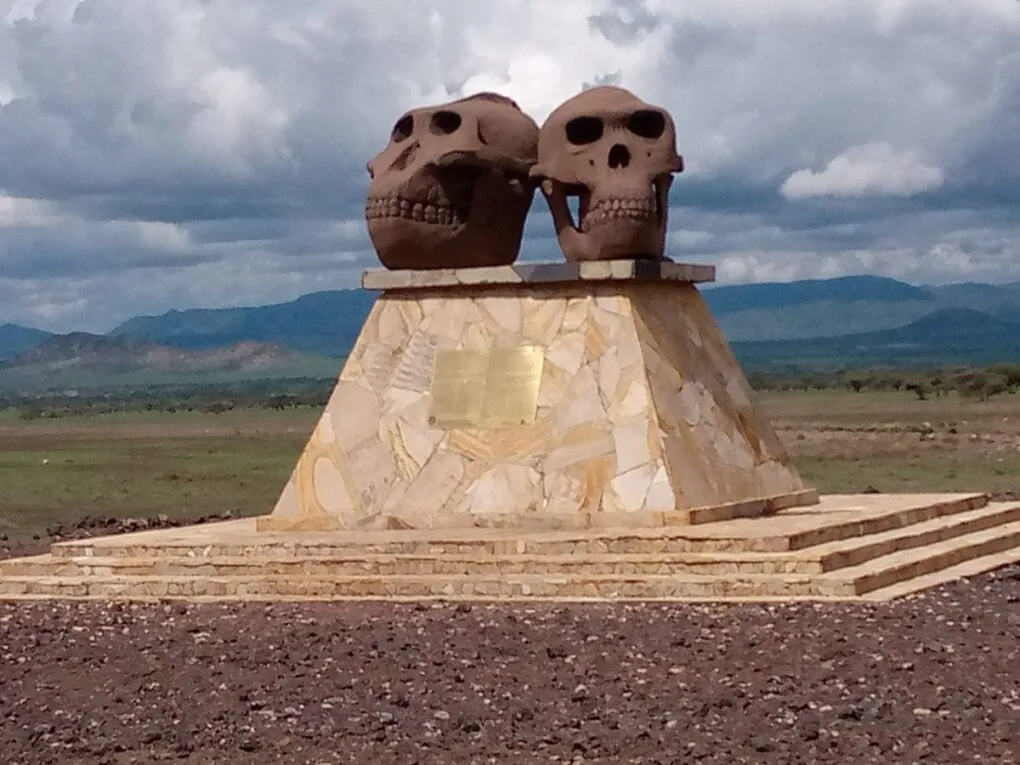
- Paranthropus boisei: Known for its robust skull and chewing power
- Homo erectus: A major evolutionary step toward modern humans
These fossils have helped scientists better understand bipedalism, brain growth, and early human behavior.
Cradle of the Earliest Stone Tools
The gorge also yielded early Oldowan and later Acheulean stone tools, dating back over 1.8 million years. These artifacts suggest technological innovation, hunting practices, and even social development.
Stratigraphy – Rock Layers That Tell Stories
Volcanic Time Markers
Repeated volcanic eruptions left ash layers that serve as accurate dating tools. These allow scientists to track fossils and tools within a clear timeline.
Sediment and Fossil Evidence
Between ash layers lie sediments filled with:
- Fossils of prehistoric elephants, giraffes, and carnivores
- Plant remnants, including seeds and pollen
- Hominin bones and cut-marked animal bones
Together, these layers offer a complete picture of ancient life.
Signs of Early Culture
Some layers include evidence of butchering, stone tool use, and possibly the controlled use of fire. These clues point to increasing cognitive ability and adaptability.
Ecological and Environmental Shifts
Dynamic Ancient Landscapes
Over time, Olduvai alternated between open grasslands, woodlands, and riverine forests. These changes influenced how early humans lived and evolved.
Diverse Prehistoric Fauna
The gorge has yielded fossils from:
- Ancient elephants and hippos
- Extinct giraffe species
- Saber-toothed cats and hyenas
These creatures not only tell us about the past ecosystem but also reveal how early hominins adapted to predators and resource competition.
Climate and Human Adaptation
Geological records indicate cycles of drought and rainfall, shaping migration, survival strategies, and evolutionary pressures.
Ongoing Research and Conservation
Ongoing Excavations
Olduvai is an active excavation site. Every year, researchers uncover new fossils and tools that add more detail to our evolutionary story.
The Olduvai Gorge Museum
The Olduvai Gorge Museum, run by the Tanzanian government, showcases:
- Authentic fossils
- Replica skulls
- Excavation histories
- Educational exhibits on early human life
It’s a must-visit for anyone exploring the region.
Conservation and Maasai Involvement
Preserving Olduvai is a priority:
- Erosion control measures are in place
- Development is strictly managed
- The local Maasai community is actively involved as custodians and guides
Their role ensures the site’s legacy continues with respect and sustainability.
How to Visit Olduvai Gorge
How to Get There
- Closest major town: Karatu
- Best accessed via a safari route from Ngorongoro Crater or Serengeti
- 4x4 vehicle recommended
When to Visit
The dry seasons: June to October and December to February, offer the best weather for walking tours and photography.
What to Expect on Your Visit
- Guided walks along the rim and selected excavation areas
- Museum entry and informative lectures
- Optional cultural visit to a nearby Maasai village
Why Olduvai Gorge Matters Today
For scientists, Olduvai continues to shape global research in paleoanthropology, evolutionary biology, and geology. For travellers, it offers a deeply reflective experience: standing where humans first began their journey connects you to something larger than life. For students and educators, Olduvai’s tours, workshops, and school visits make it a living classroom for learners from across the world.
Why Olduvai Gorge Belongs on Your Tanzania Itinerary
Olduvai Gorge is not just a ravine. It is a mirror into the origins of humanity.
From the earliest toolmakers to evolving environments and surviving species, every layer of Olduvai tells a story that belongs to all of us. Visiting this sacred site offers both scientific wonder and spiritual connection, a reminder of how far we’ve come and how much we still have to learn.
Let Orika Africa take you on an unforgettable journey to Olduvai Gorge: guided tours, expert narration, and seamless planning. Contact us today to experience the place where humanity began.
Olduvai is a natural stop on our 9 Days Northern Circuit Tanzania Safari, which passes between the Serengeti and Ngorongoro, both neighbouring Olduvai Gorge. The 14 Days Tanzania Safari and Kilimanjaro Adventure pairs the northern circuit with a Kilimanjaro ascent for a definitive Tanzania experience. Fellow travellers who visit Olduvai also find meaning in the Empakaai Crater Hike and the surreal landscape of Lake Natron, both within reach of the northern highlands. For everything else Tanzania holds, our Tanzania destination guide covers the full country.