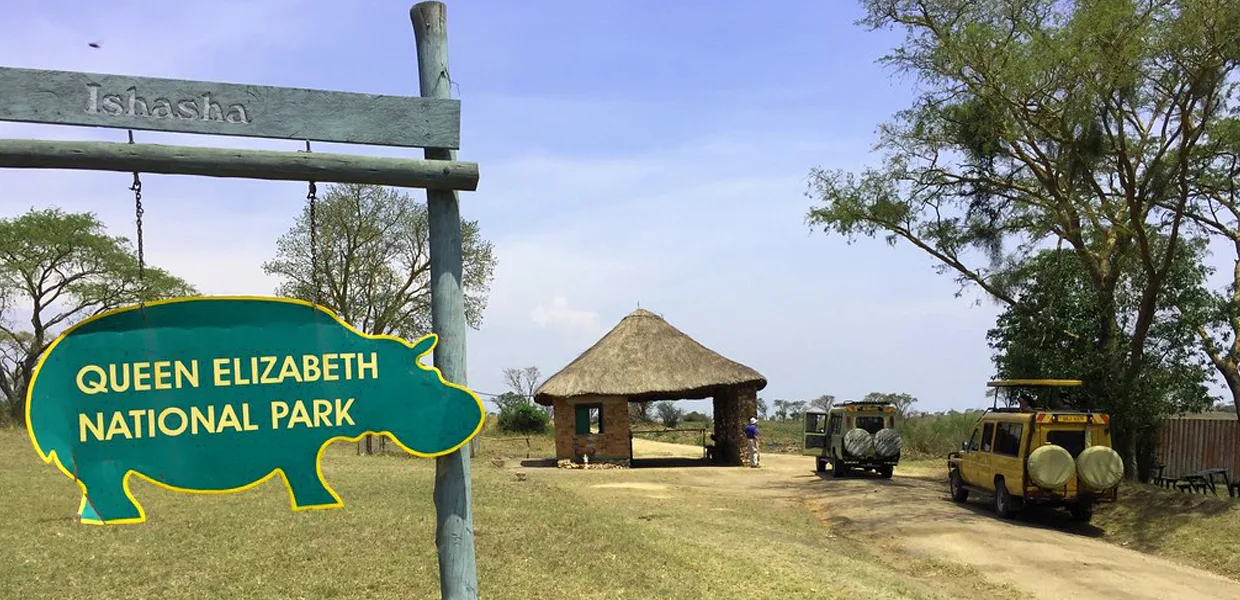
Banana gin, locally called Waragi, has been distilled in the Bunyaruguru sub-region of western Uganda for generations. Made from East African Highland bananas fermented and distilled over open fires, it is both a cultural tradition and a working livelihood for communities bordering Queen Elizabeth National Park. Visiting a local distillery here is one of the most authentic cultural experiences you can add to a western Uganda safari.
Bunyaruguru – Volcanic Soils and Banana Country
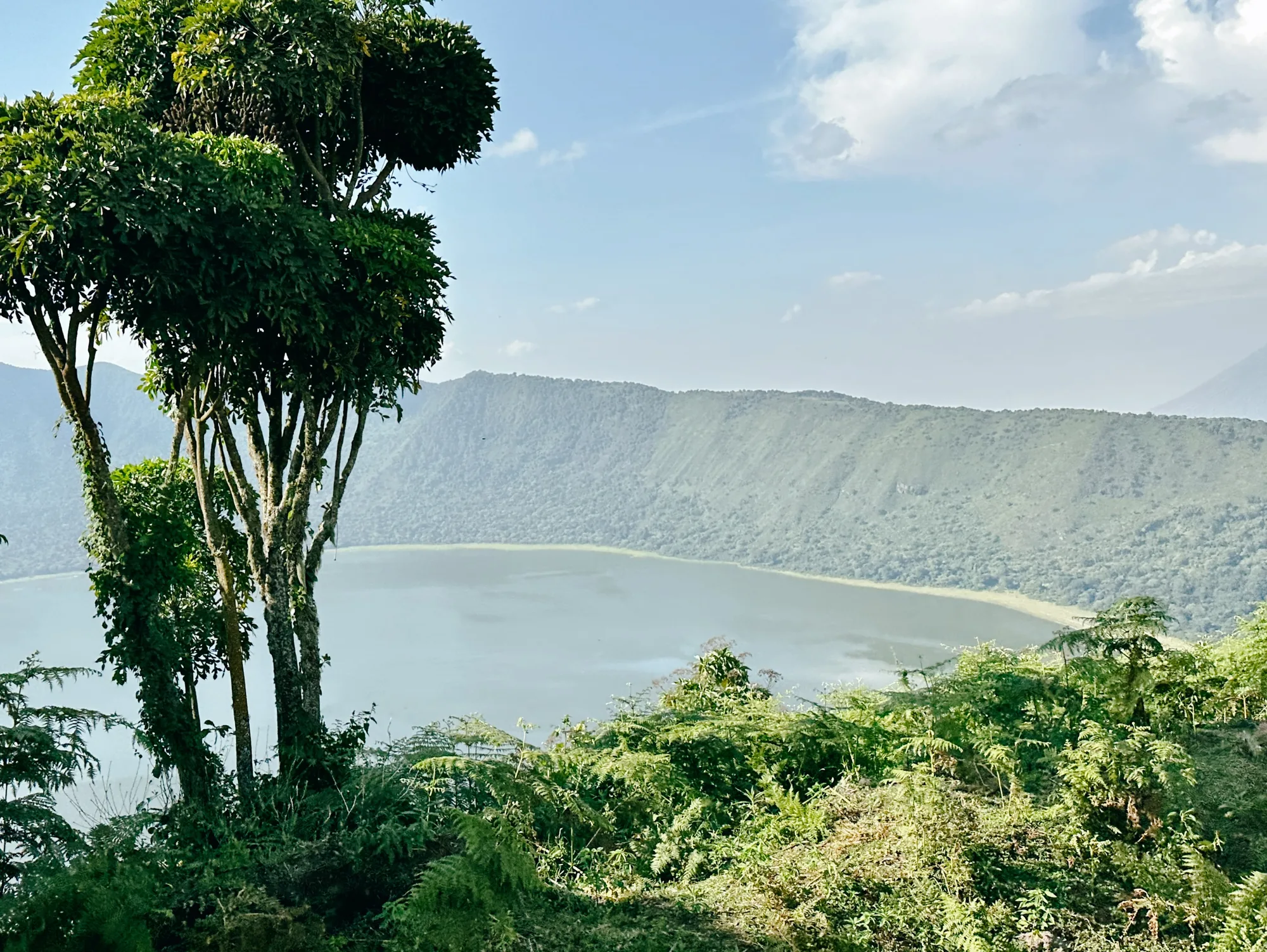
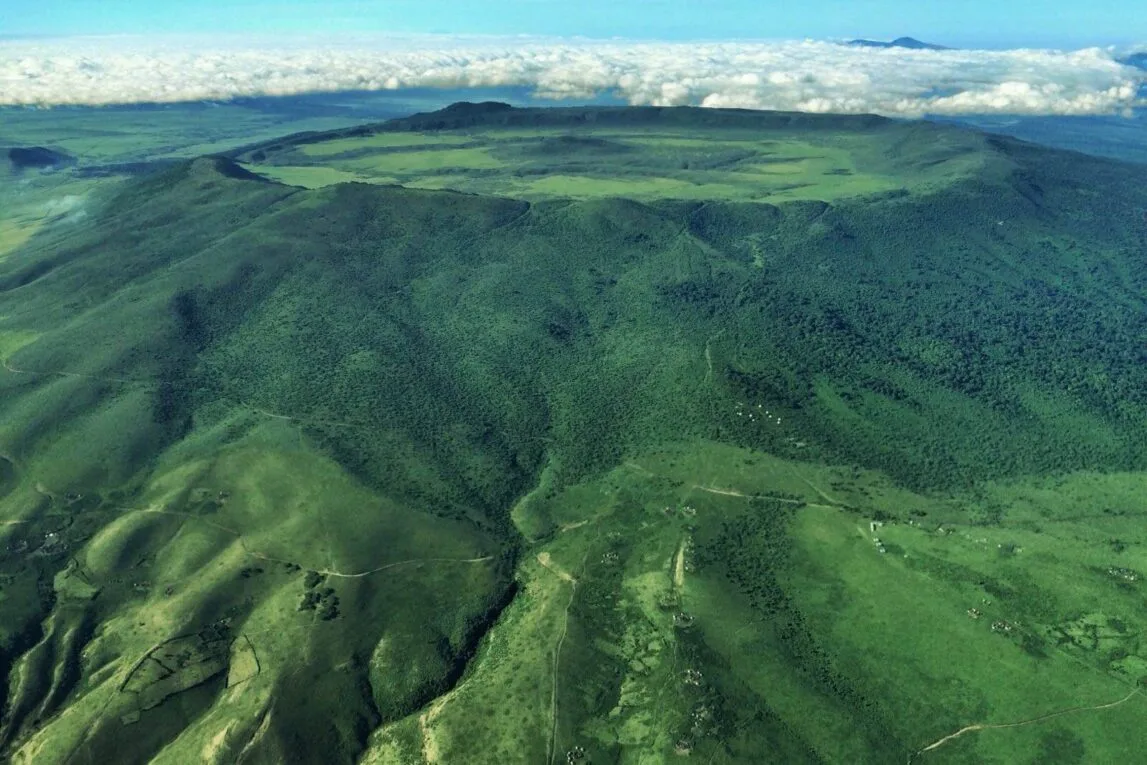
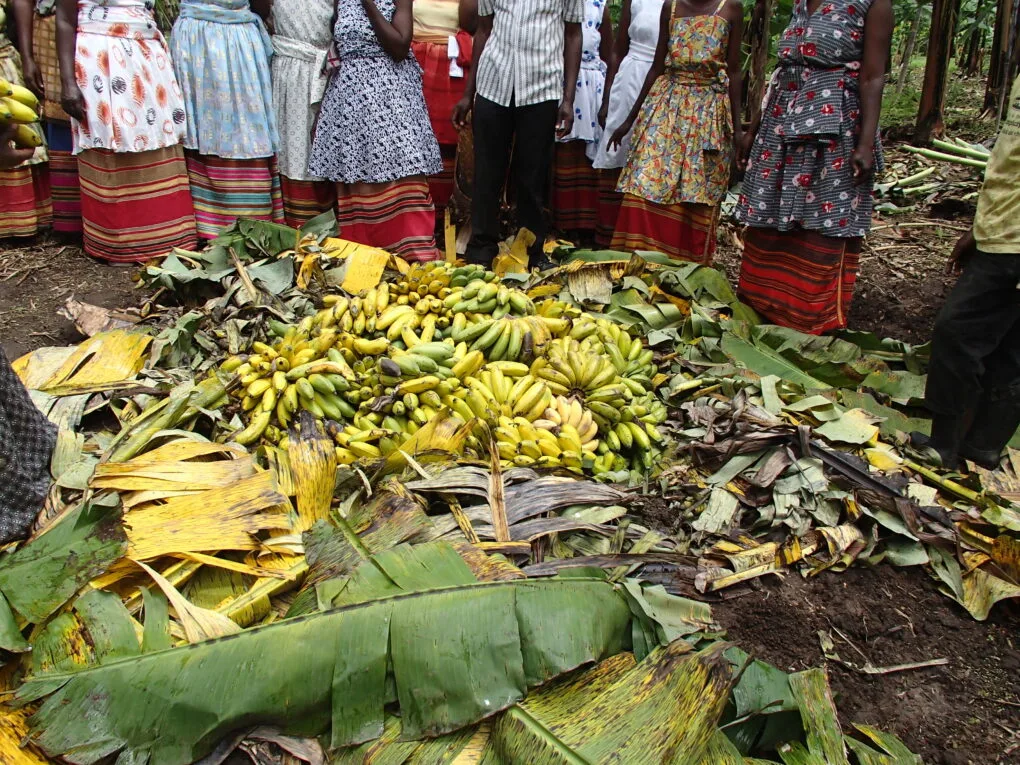
Bunyaruguru is renowned for its fertile volcanic soils, rolling hills, and numerous crater lakes, creating ideal conditions for banana cultivation. Bananas, especially the East African Highland bananas (Matooke), form the staple food and a vital raw material for the local communities.
The abundant banana plantations provide not only sustenance but also the primary ingredient for producing banana gin, locally known as “Waragi”, a potent traditional spirit highly valued in western Uganda.
The History of Banana Gin Brewing
Banana gin brewing in Bunyaruguru has a long history rooted in indigenous knowledge and cultural customs. Historically, local clans and families perfected this craft as part of social ceremonies, ritual offerings, and communal celebrations.
The process has been handed down through generations, blending traditional methods with evolving techniques to produce a unique spirit that reflects the region’s identity.
How Is Banana Gin Made?
The production of banana gin is a meticulous multi-step process involving several stages:
Harvesting and Preparation
Ripe bananas are harvested from plantations, peeled, and crushed to extract the juice or mash. The banana pulp serves as the fermentation base.
Fermentation
The mashed bananas are mixed with water and natural yeast, then left to ferment in large containers or traditional pots for several days. During this period, sugars in the banana pulp convert into alcohol.
Distillation
The fermented mash is then distilled using rudimentary or semi-modern stills, often locally constructed from metal drums or clay pots. This distillation process concentrates the alcohol and purifies the spirit.
Maturation and Bottling
The resulting liquid, banana gin, is typically clear and potent, often bottled or stored in traditional gourds for consumption. The entire process, though simple, requires skilled craftsmanship to ensure quality and safety.
Cultural and Social Significance
Banana gin holds a central place in the cultural fabric of Bunyaruguru communities. It is more than just a beverage. It serves as:
Banana gin is integral to social gatherings, storytelling, and communal bonding. It is used in ceremonies such as weddings, funerals, and traditional rites, and offered to guests as a mark of respect and friendship.
Furthermore, banana gin brewing empowers local women and men, providing opportunities for entrepreneurship and economic participation.
Economic and Tourism Impact
In recent years, banana gin brewing in Bunyaruguru has attracted attention beyond local consumption. Its distinct flavor and traditional production methods have piqued the interest of:
Eco-tourists and cultural travelers, who seek authentic experiences of local traditions.
Small-scale entrepreneurs, who have begun marketing banana gin as a regional specialty.
Conservation advocates, promoting sustainable use of natural resources linked to cultural heritage.
Some local lodges and tour operators within and near Queen Elizabeth National Park now include visits to banana gin breweries as part of cultural tourism packages, thereby enhancing income diversification for communities.
Challenges and Sustainability
Despite its cultural and economic importance, banana gin brewing faces several challenges:
Regulatory Constraints
Informal production often exists outside formal licensing frameworks, leading to potential legal issues.
Quality Control and Safety
Traditional methods sometimes pose risks of contamination or inconsistent alcohol content. Visitors should follow CDC travel health guidance on food and drink safety.
Sustainable Resource Management
Ensuring sustainable banana cultivation without compromising environmental integrity is crucial.
Efforts by local authorities and NGOs working with the Uganda Wildlife Authority aim to support training, quality assurance, and market access, balancing tradition with modernization for long-term sustainability.
Banana gin brewing in Bunyaruguru exemplifies the resilience and creativity of communities living alongside Queen Elizabeth National Park. Rooted in centuries-old traditions yet adapting to contemporary opportunities, this craft enriches Uganda’s cultural landscape and offers a distinctive taste of regional heritage.
For visitors to Queen Elizabeth National Park, experiencing banana gin brewing is an invitation to engage deeply with the local culture, savor authentic flavors, and support sustainable livelihoods, an enriching complement to the park’s natural wonders.
This village encounter is woven into several of our Uganda itineraries. The 10 Days Uganda Safari Holiday passes through Bunyaruguru en route to Queen Elizabeth, while the 9 Days Uganda Adventure and Cultural Safari puts cultural immersion at the centre of the route. The 8 Days Primates and Wildlife Safari combines this region with chimpanzee and gorilla encounters. For more on the cultural landscape around the park, see our posts on Tribes and Cultures at Queen Elizabeth and the broader Queen Elizabeth National Park guide. To explore everything Uganda has to offer beyond Queen Elizabeth, our Uganda destination guide covers the full picture.