Queen Elizabeth National Park, Uganda’s premier wildlife sanctuary and one of Africa’s most iconic protected areas, was profoundly shaped by a moment of history: the visit of Her Majesty Queen Elizabeth II in 1954. Her presence marked not only a turning point in the park’s identity but also a defining moment in Uganda’s relationship with global conservation and international diplomacy.
Historical Background
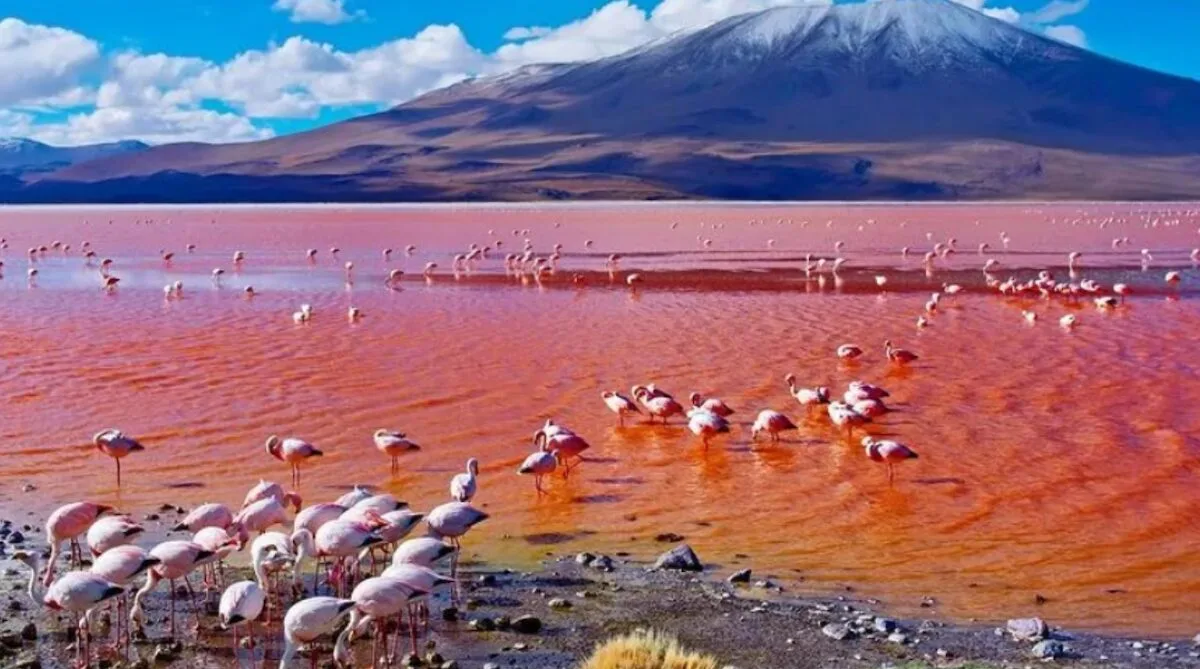
Originally named Kazinga National Park upon its establishment in 1952, the park was renamed Queen Elizabeth National Park following the Queen’s visit in 1954. Located in western Uganda and spanning nearly 2,000 square kilometers, the park features an array of ecosystems: savannahs, crater lakes, wetlands, and the Kazinga Channel. These habitats support abundant wildlife, including elephants, lions, hippos, buffaloes, and over 600 bird species.
The Queen’s Visit – Purpose and Significance
Queen Elizabeth II’s 1954 visit to Uganda, then a British protectorate, was part of a larger East African royal tour. At just 28 years old and newly crowned, the Queen’s tour was intended to strengthen diplomatic ties, promote goodwill, and celebrate the region’s natural and cultural assets.
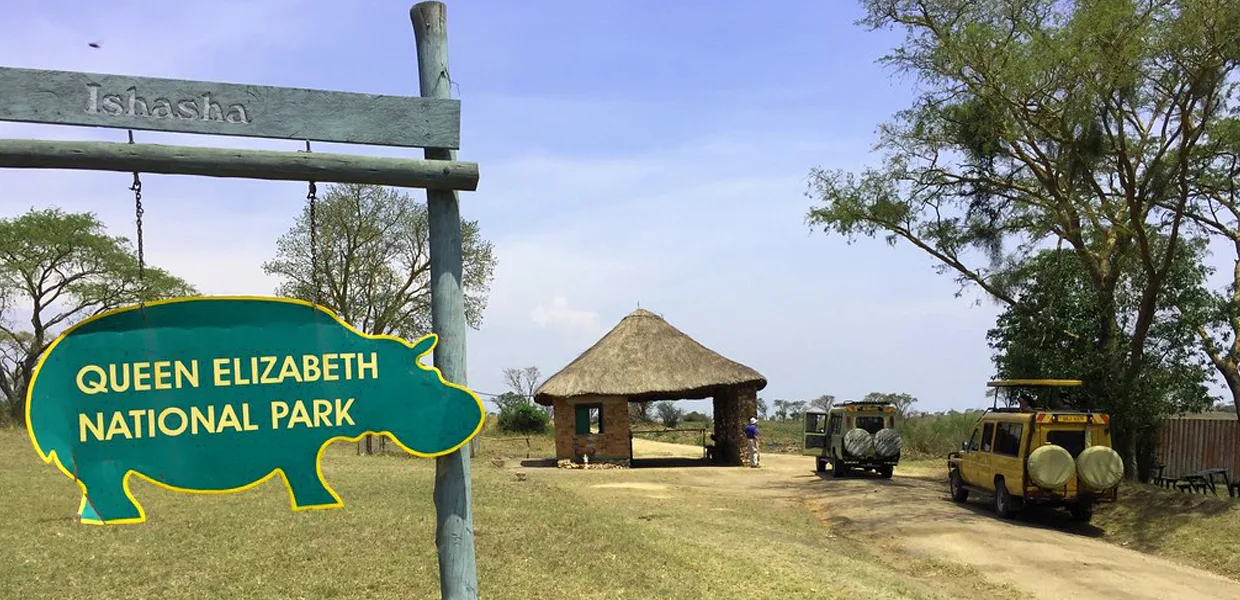
The highlight of her Ugandan itinerary was a multi-day visit to the Kazinga National Park. In her honor, and as a symbol of enduring relations, the park was officially renamed Queen Elizabeth National Park during her stay.
Key Moments During the Royal Visit
A Safari Through Untamed Wilderness
Her Majesty experienced the park’s renowned biodiversity on a guided game drive, during which she observed:
-
Herds of African elephants roaming the plains
-
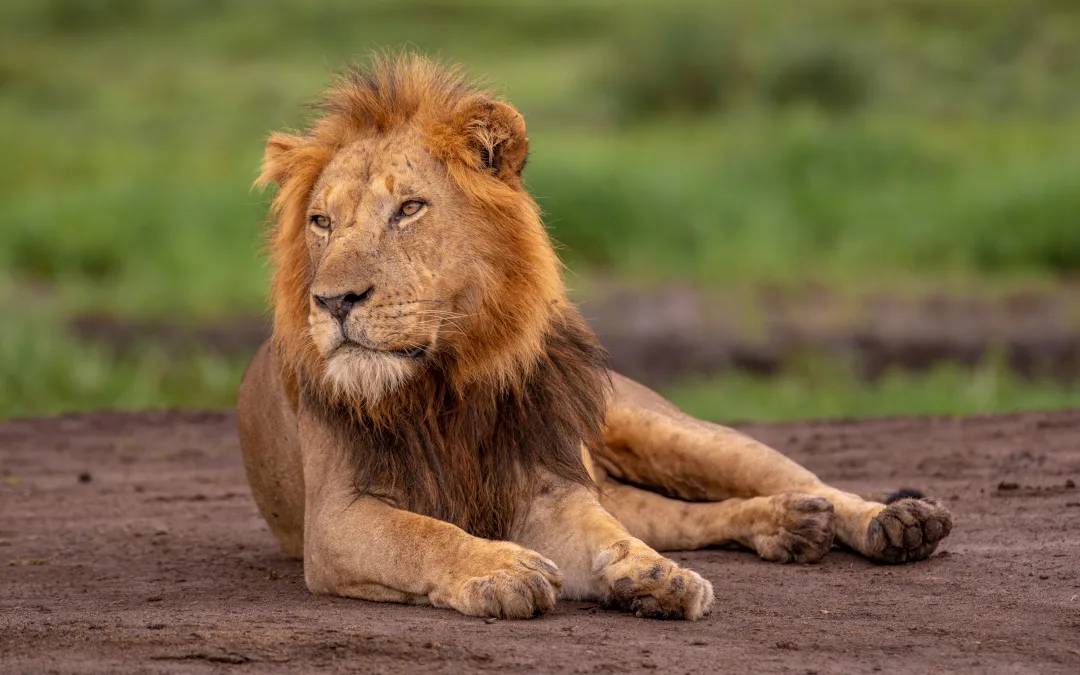
Lions lounging under acacia trees
-
Pods of hippos and Nile crocodiles in the Kazinga Channel
-
Numerous rare and endemic bird species
These sightings left a lasting impression, reinforcing the global importance of Uganda’s natural heritage.
Cultural Encounters
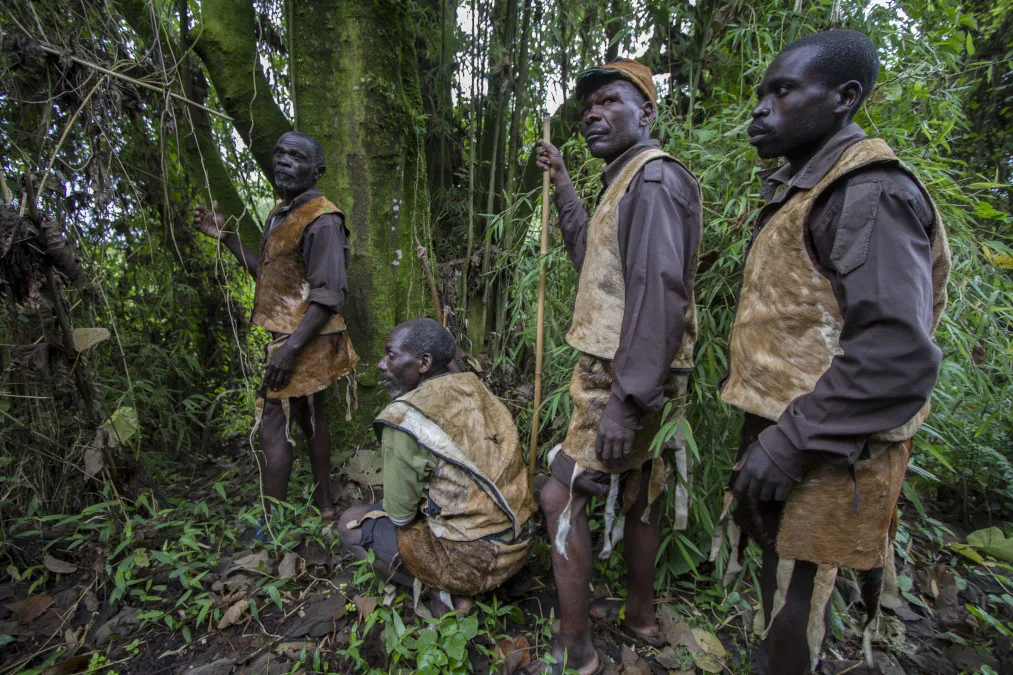
The Queen met with local leaders and representatives from nearby communities, including the Bakonjo and Banyankole peoples — learn more in our Tribes and Cultures post. These exchanges highlighted the deep cultural ties to the land and the important role of communities in sustainable conservation.
Renaming Ceremony
A historic highlight of the visit was the official renaming ceremony from Kazinga National Park to Queen Elizabeth National Park. The renaming was a diplomatic gesture and a mark of royal recognition for the park’s ecological significance.
Lasting Diplomatic and Conservation Impact
International Spotlight
The Queen’s visit helped put Uganda on the map for global tourism. Queen Elizabeth National Park became a symbol of royal heritage and a must-see destination on the African safari circuit.
Conservation Boost
Following the visit, conservation awareness and funding increased, with the Uganda Wildlife Authority expanding its remit. The park benefited from:
-
Anti-poaching initiatives
-
Infrastructure upgrades
-
Greater support for ranger training and habitat protection
Strengthening UK-Uganda Relations
The royal visit laid the groundwork for ongoing collaboration between conservation bodies in Uganda and the UK, fostering:
-
Research partnerships
-
Wildlife protection programs
-
Cultural and educational exchange initiatives
The Queen’s Enduring Legacy
Today, over six decades later, the Queen’s influence is still felt. The park honors her legacy through:
-
Interpretive centers and educational materials referencing the 1954 visit
-
Royal tourism campaigns highlighting the Queen’s connection to the region
-
International conservation partnerships rooted in shared values of environmental stewardship
Queen Elizabeth II’s visit was more than ceremonial. It was transformative. It brought global awareness to Uganda’s rich biodiversity and cultural heritage, inspiring a legacy of eco-tourism, international diplomacy, and wildlife conservation that continues to shape the park to this day.
Plan Your Visit
Walk in the footsteps of royalty. Whether you’re watching elephants in the Kazinga Channel, exploring volcanic crater lakes, or enjoying a game drive through open plains, Queen Elizabeth National Park offers a regal experience for every traveler.
Explore. Connect. Belong.
Orika Africa Tours invites you to discover this remarkable piece of history as part of your East African safari journey.
The park the Queen named remains one of Uganda’s most rewarding safari destinations. Our 10 Days Uganda Safari Holiday gives it the attention it deserves, while the 8 Days Primates and Wildlife Safari combines the park with chimpanzee and gorilla experiences. For deeper context, read our comprehensive Queen Elizabeth National Park guide and the post on Tribes and Cultures at Queen Elizabeth. To explore everything Uganda has to offer beyond Queen Elizabeth, our Uganda destination guide covers the full picture.