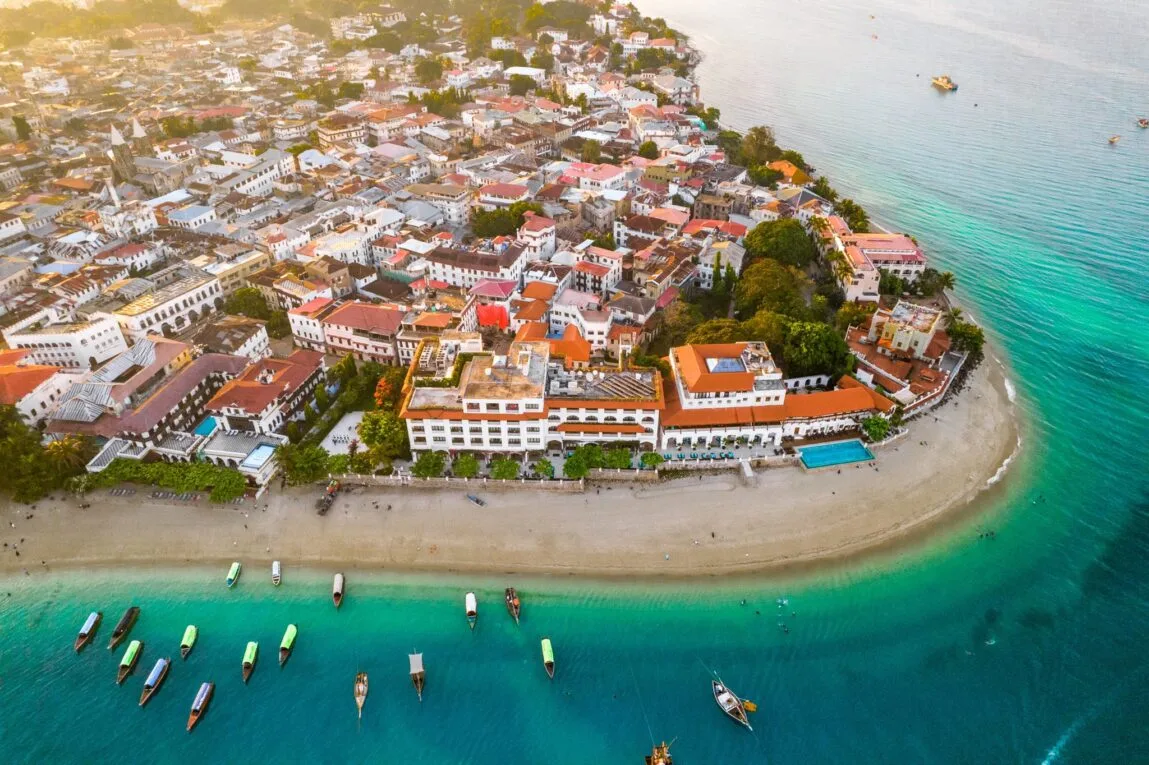
Stone Town is the historic centre of Zanzibar City, a UNESCO World Heritage Site of narrow streets, carved wooden doors, coral-stone buildings, and mosques built over a thousand years of Indian Ocean trade. It was the commercial capital of the Omani Sultanate in the 19th century and, for a period, the largest city in East Africa. Most visitors use it as a 1 to 2 night base before or after the northern beach resorts, but the old town repays slower exploration.
Stone Town’s Location and History
Located on the western coast of Unguja Island, the largest island of the Zanzibar archipelago, Stone Town is the historic core of Zanzibar City. Its strategic position in the Indian Ocean made it a vital hub for trade and cultural exchange between Africa, the Middle East, India, and Europe.
Stone Town’s history dates back over a thousand years, reaching its zenith during the 18th and 19th centuries as a flourishing center of the spice trade and the notorious East African slave trade. The town was governed for many years by the Sultanate of Oman, which left an indelible mark on its culture and urban landscape.
What Makes Stone Town’s Architecture Unique?
Stone Town’s urban fabric is a rich tapestry of narrow winding alleys, bustling bazaars, grand palaces, mosques, and historic homes characterized by intricately carved wooden doors and coral stone walls.
-
Architecture: The town’s buildings showcase a distinctive Swahili architecture influenced by Arab, Persian, Indian, and European styles. Coral rag stone, imported teak wood, and lime mortar were traditionally used in construction.
-
The Old Fort: A prominent landmark built in the 17th century, the Old Fort served as a defensive structure and later as a cultural center hosting festivals and events.
-
The House of Wonders: Once the Sultan’s palace, it was the first building in East Africa to have electricity and an elevator, symbolizing Zanzibar’s historical embrace of modernization.
-
Mosques and Churches: Stone Town is home to numerous mosques reflecting the Islamic heritage of the region, alongside Christian churches, representing Zanzibar’s religious diversity.
-
Carved Doors: The intricately carved wooden doors of Stone Town’s houses are iconic symbols of wealth and craftsmanship, each telling stories through floral motifs, geometric patterns, and inscriptions.
Cultural Life in Stone Town
Stone Town remains a vibrant cultural heartland where traditions and modern life intertwine:
-
The Spice Trade Legacy: Known as the “Spice Islands,” Zanzibar’s economy historically revolved around cloves, nutmeg, cinnamon, and pepper cultivation. Spice tours offer visitors immersive experiences in local farms and markets.
-
The Slave Trade History: Stone Town was a major slave trading port until the late 19th century. The former slave market site and the Anglican Cathedral stand as poignant reminders of this dark chapter.
-
Swahili Culture: Stone Town is a center of Swahili language, music, dance, and cuisine, showcasing a blend of African and Arab influences.
-
Arts and Festivals: The town hosts vibrant cultural festivals such as the Zanzibar International Film Festival (ZIFF) and the Sauti za Busara music festival, celebrating regional and global artistic expressions.
Stone Town Today – Tourism and Preservation
Today, Stone Town balances heritage conservation with contemporary growth:
-
Tourism: It attracts thousands of visitors annually who explore its labyrinthine streets, historic sites, museums, and vibrant markets.
-
Local Economy: Beyond tourism, fishing, spice farming, and handicrafts sustain local livelihoods.
-
Conservation Challenges: Preservation efforts face challenges including urban development pressures, environmental factors, and infrastructure needs. Organizations and the Tanzanian government collaborate to maintain the town’s cultural integrity.
-
Community Engagement: Local communities actively participate in heritage management, ensuring that development respects historical and cultural values.
What to See and Do in Stone Town
Exploring Stone Town offers a sensory journey through history and culture:
-
Walking Tours: Guided tours through the alleys reveal hidden corners, bustling markets, and historic buildings.
-
Culinary Delights: The town’s cuisine features a fusion of flavors with seafood, spices, and traditional Swahili dishes.
-
Shopping: Markets and shops offer handmade crafts, spices, textiles, and jewelry.
-
Sunset at Forodhani Gardens: Visitors often end their day at the vibrant waterfront food market, enjoying local delicacies with views of the Indian Ocean.
Stone Town, Zanzibar, stands as a living museum where every stone and street corner narrates stories of trade, conquest, culture, and resilience. Its unique blend of architectural styles, cultural heritage, and historical significance makes it a vital link to the past and a dynamic part of contemporary East African identity.
Preserving Stone Town’s legacy while embracing sustainable development is key to ensuring that this jewel of the Spice Islands continues to inspire and educate generations to come.
Prison Island – A Day Trip from Stone Town
Located just a short boat ride from Stone Town, Prison Island (also known as Changuu Island) is one of Zanzibar’s most fascinating destinations. Renowned for its rich history, ecological significance, and picturesque surroundings, Prison Island offers visitors a unique blend of cultural heritage and natural beauty. This article explores the island’s historical background, ecological importance, and modern-day attractions.
Historical Background
Despite its name, Prison Island was never used as a formal prison, though its original purpose was connected to the island’s role in the region’s colonial and economic history.
-
Origins and Naming: The island was named “Prison Island” by the British colonial administration in the late 19th century when it was intended to serve as a detention facility for rebellious slaves. However, it never functioned extensively as a prison.
-
Quarantine Station: Instead, the British established a quarantine station on the island to prevent the spread of contagious diseases such as yellow fever and smallpox among travelers arriving in Zanzibar. Modern visitors should check CDC travel health advice before arrival.
-
Slave Trade Connection: Before British rule, the island played a role in the East African slave trade. It served as a holding area for slaves captured and brought to Zanzibar before being sold.
-
Post-Colonial Era: After the decline of the quarantine station, Prison Island became a refuge for giant Aldabra tortoises, introduced from the Seychelles in the 20th century.
Ecological Significance
Prison Island is home to a unique and important ecosystem that attracts nature lovers and conservationists alike:
-
Giant Aldabra Tortoises: The island’s most famous inhabitants are the Aldabra giant tortoises, some of which are over a century old. These tortoises roam freely and can grow to impressive sizes, making them a major attraction.
-
Marine Life: Surrounding coral reefs support diverse marine species, including tropical fish, sea urchins, and occasional sightings of reef sharks and turtles, offering excellent snorkeling opportunities.
-
Vegetation: The island is covered with coastal forest and scrub, providing habitat for various bird species and other wildlife.
-
Conservation Efforts: Ongoing initiatives aim to preserve the island’s biodiversity, protect the tortoises, and promote sustainable tourism.
What to Do on Prison Island
Prison Island offers a range of activities and sights that combine relaxation with education:
-
Historical Ruins: Visitors can explore the remains of the old quarantine buildings and prison structures, which offer insight into the island’s colonial past.
-
Tortoise Sanctuary: The tortoise enclosure allows close observation and interaction with these gentle giants, making it a favorite among families and wildlife enthusiasts.
-
Snorkeling and Swimming: Crystal-clear waters around the island provide ideal conditions for snorkeling, with vibrant coral reefs and abundant marine life.
-
Scenic Beaches: The island’s pristine sandy beaches invite visitors to unwind and enjoy the tropical ambiance.
-
Boat Trips: Regular dhow and motorboat excursions from Stone Town make the island easily accessible and popular for day trips.
Practical Information
-
Access: Prison Island is approximately 5 kilometers northwest of Stone Town, reachable by a 20–30 minute boat ride.
-
Guided Tours: Many operators offer guided tours that include historical narration, wildlife viewing, and snorkeling activities.
-
Best Time to Visit: The dry seasons, from June to October and December to February, provide the most pleasant weather for island excursions.
-
Facilities: The island has basic amenities such as picnic areas and restrooms, but visitors are advised to bring water, sunscreen, and snorkeling gear.
Conservation and Community
Efforts to preserve Prison Island’s natural and historical heritage involve both local communities and conservation organizations:
-
Tortoise Protection: Programs focus on breeding and safeguarding the Aldabra tortoises to ensure their continued survival.
-
Environmental Education: Visitor centers and guides educate tourists on the island’s ecology and history, promoting responsible tourism.
-
Community Benefits: Tourism on Prison Island contributes to the local economy, providing employment and supporting sustainable development initiatives.
Prison Island stands as a testament to Zanzibar’s layered history and natural richness. From its colonial-era quarantine station and links to the slave trade to its role today as a sanctuary for giant tortoises and marine biodiversity hotspot, the island offers a compelling destination for those seeking to experience Zanzibar’s past and present.
Whether you are a history buff, wildlife enthusiast, or simply in search of a tranquil island escape, Prison Island delivers an unforgettable journey into the heart of the Indian Ocean’s cultural and ecological treasures.
Zanzibar pairs naturally with an East Africa safari. Our 5 Days Zanzibar Beach Holiday Experience and 8 Days Zanzibar Holiday Package are designed for guests who want time on the island without rushing. For the ultimate combination, the 33 Days Uganda and Tanzania Safari with Zanzibar takes you from the gorillas of Uganda through the Serengeti and down to the Zanzibar shore. If you’re also drawn to Tanzania’s geology, our post on Lake Natron explores one of East Africa’s most otherworldly landscapes. For everything else Tanzania holds, our Tanzania destination guide covers the full country.