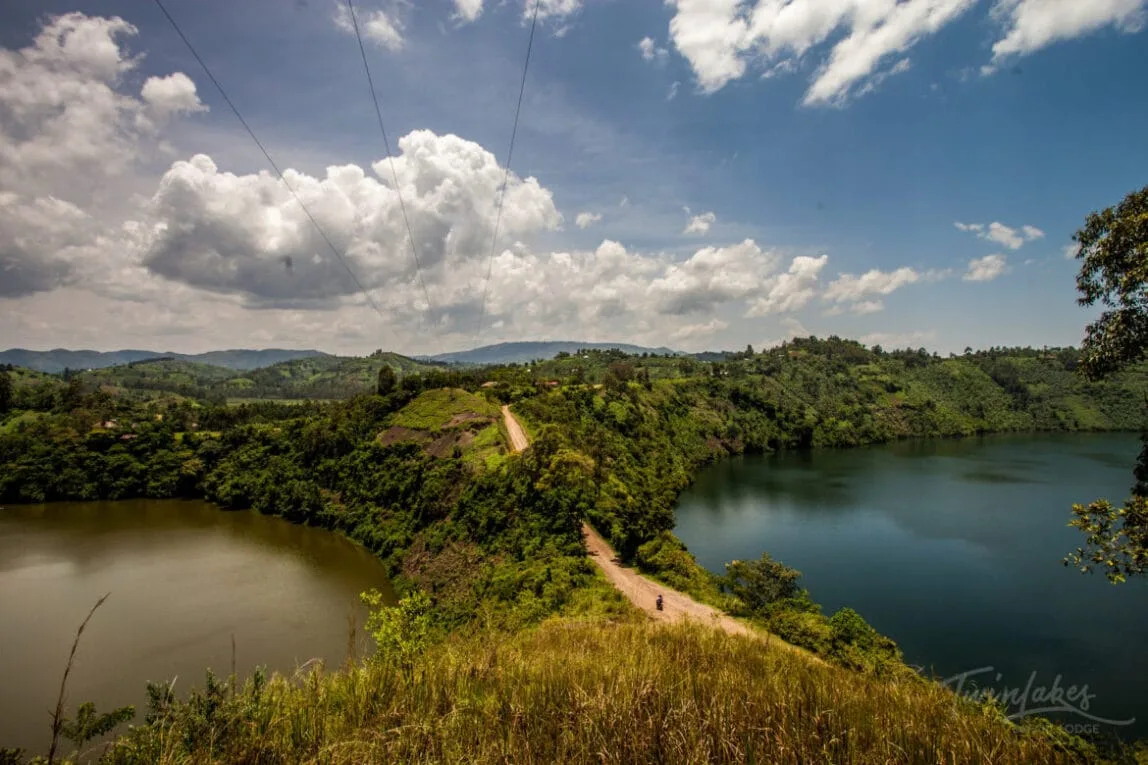
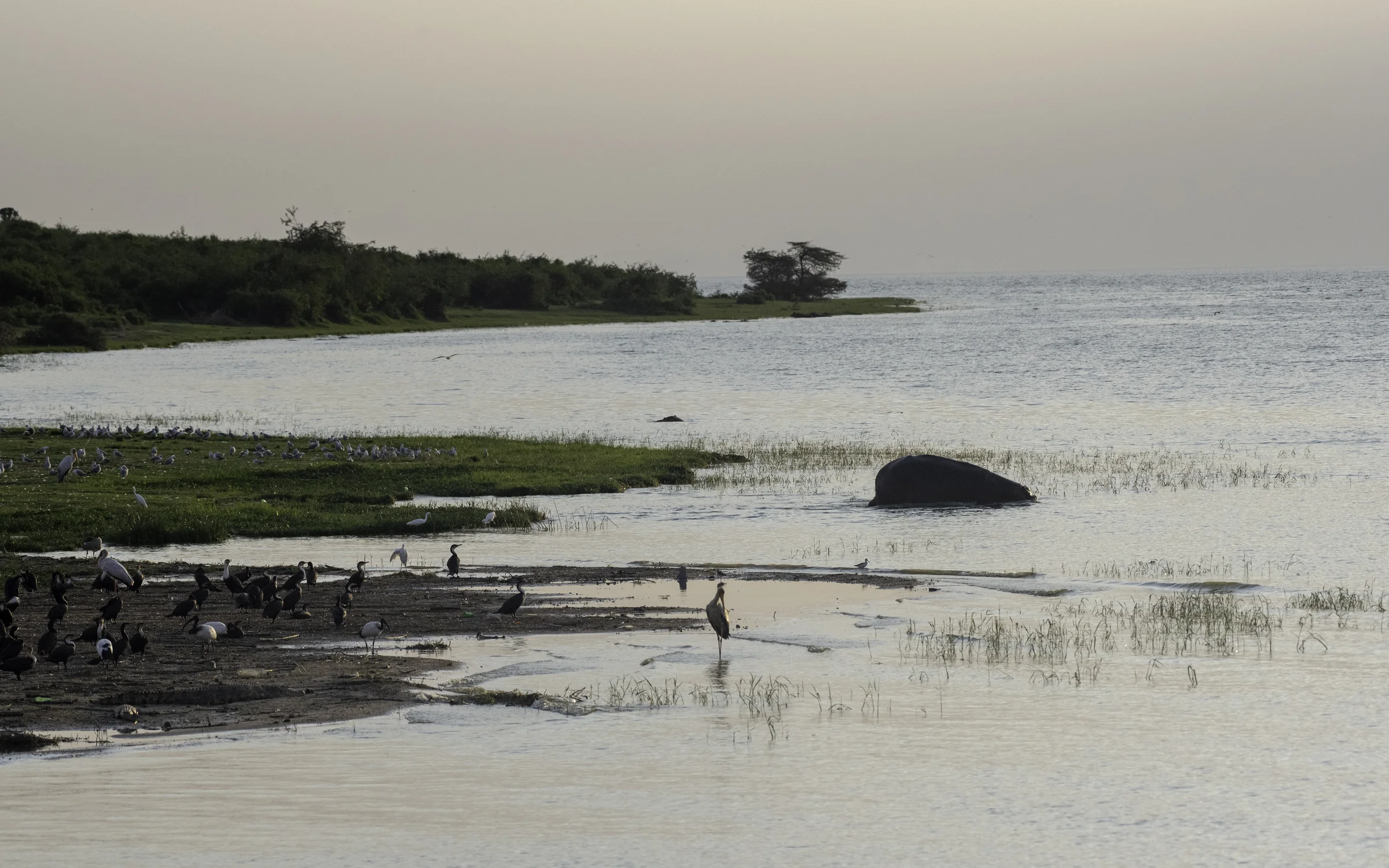
Situated along the shores of Lake George and Lake Edward within Queen Elizabeth National Park, the fish market serves as a vital centre for commerce, cultural exchange, and sustenance for local communities. This bustling marketplace is more than a trading hub; it reflects the intertwined relationship between people, nature, and livelihood in one of Uganda’s most iconic wildlife destinations.
This article explores the significance, operations, and socio-economic impact of the Fish Market in Queen Elizabeth National Park.
Where Is the Fish Market Located?
Queen Elizabeth National Park is located in western Uganda and encompasses a mosaic of lakes, wetlands, savannahs, and forests. The park’s lakes, particularly Lake George and Lake Edward, are rich fishing grounds that support both the park’s ecosystem and local economies.
The Fish Market, primarily found in communities adjacent to these lakes, acts as a focal point where fishermen, traders, and consumers converge daily. The market’s vibrancy is fueled by the abundance of freshwater fish species native to the lakes, including Nile perch, tilapia, catfish, and lungfish.
Why the Fish Market Matters to Local Communities
The Fish Market plays a crucial role in the livelihoods of thousands of people living around Queen Elizabeth National Park:
-
Fishermen: Local fishermen rely on traditional and modern fishing techniques to harvest fish from the lakes, providing a steady income source.
-
Traders and Vendors: The market supports numerous traders who buy fish wholesale and retail to local consumers, tourists, and neighboring communities.
-
Employment: Beyond fishermen and traders, the market generates jobs for transporters, fish processors, cooks, and market attendants.
-
Revenue Generation: Fish sales contribute significantly to the local economy, helping to sustain families and communities while supporting conservation efforts indirectly.
Fish Species and Sustainable Fishing
The lakes around Queen Elizabeth National Park harbor diverse fish species critical to both ecological balance and human consumption:
-
Nile Perch (Lates niloticus): A prized species for its size and market value.
-
Tilapia (Oreochromis spp.): Popular for its taste and availability.
-
Catfish: Valued locally for its resilience and flavor.
-
Lungfish and Others: Supporting local diets and traditions.
Sustainable fishing practices are increasingly promoted to prevent overfishing and protect aquatic biodiversity. The Uganda Wildlife Authority coordinates these efforts within the park. Efforts include regulated fishing seasons, gear restrictions, and community awareness programs to ensure the fish population remains healthy for future generations.
Cultural Significance of the Fish Market
The Fish Market is not only an economic center but also a social and cultural gathering place:
-
Community Hub: It fosters social interaction, information exchange, and mutual support among residents.
-
Traditions and Customs: Fishing and fish trading are embedded in local customs, with festivals and rituals celebrating the fishing heritage.
-
Tourism Appeal: Visitors to Queen Elizabeth National Park often experience the Fish Market as part of cultural tours, gaining insight into local lifestyles.
Challenges and Opportunities Ahead
Despite its importance, the Fish Market faces several challenges:
-
Environmental Concerns: Pollution and habitat degradation threaten fish stocks.
-
Market Infrastructure: Limited cold storage and transport facilities can lead to post-harvest losses.
-
Regulatory Compliance: Ensuring adherence to fishing regulations remains a challenge.
Opportunities for improvement include investment in market infrastructure, capacity building for fishermen and traders, and integration of fishery activities with eco-tourism initiatives to create sustainable economic models.
The Fish Market in Queen Elizabeth National Park stands as a vibrant testament to the harmony between nature and human enterprise. It sustains livelihoods, preserves cultural heritage, and complements the park’s ecological integrity.
By supporting sustainable fishing and enhancing market systems, stakeholders can ensure that this vital resource continues to nourish both the people and wildlife of this extraordinary region.
This local market is a highlight of the 10 Days Uganda Safari Holiday, which dedicates meaningful time to Queen Elizabeth National Park beyond the game drives. The 8 Days Primates and Wildlife Safari also passes through the park and can be extended to include a morning at the market. For more on the park’s remarkable ecosystem, read our full Queen Elizabeth National Park guide and the story of How the Kazinga Channel Was Formed. To explore everything Uganda has to offer beyond Queen Elizabeth, our Uganda destination guide covers the full picture.