What Makes Queen Elizabeth National Park Worth Visiting?
Discover one of Uganda’s most breathtaking natural wonders.
Nestled in the heart of Queen Elizabeth, the escarpment is a dramatic natural ridge that offers panoramic views, unforgettable wildlife encounters, and a glimpse into the ancient forces that shaped East Africa. This awe-inspiring formation, part of the Albertine Rift, rises above Uganda’s plains, making it one of the most scenic and educational highlights within the park.
For travelers, photographers, and nature lovers, the escarpment is a must-see stop on any visit to Queen Elizabeth National Park.
The Escarpment – A Geological Window into the Rift Valley
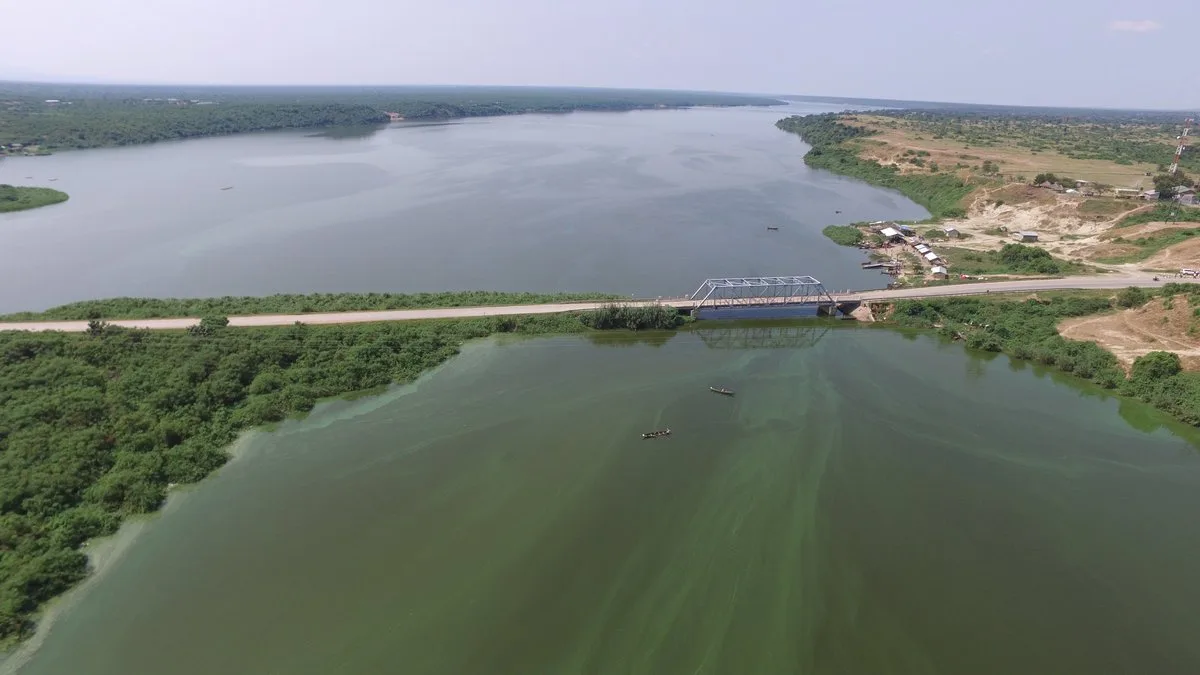
The escarpment forms a key part of the western arm of the East African Rift System. Over millions of years, tectonic movements created this towering landform, resulting in a steep slope that descends dramatically into the rift valley below. From this natural lookout, visitors are rewarded with jaw-dropping views of Queen Elizabeth National Park’s diverse terrain, from open savannahs and sparkling crater lakes to the distant Rwenzori Mountains and Lake Edward.
This is more than a viewpoint. It’s a front-row seat to the story of Earth’s evolution.
Photography and Wildlife Viewing at the Escarpment
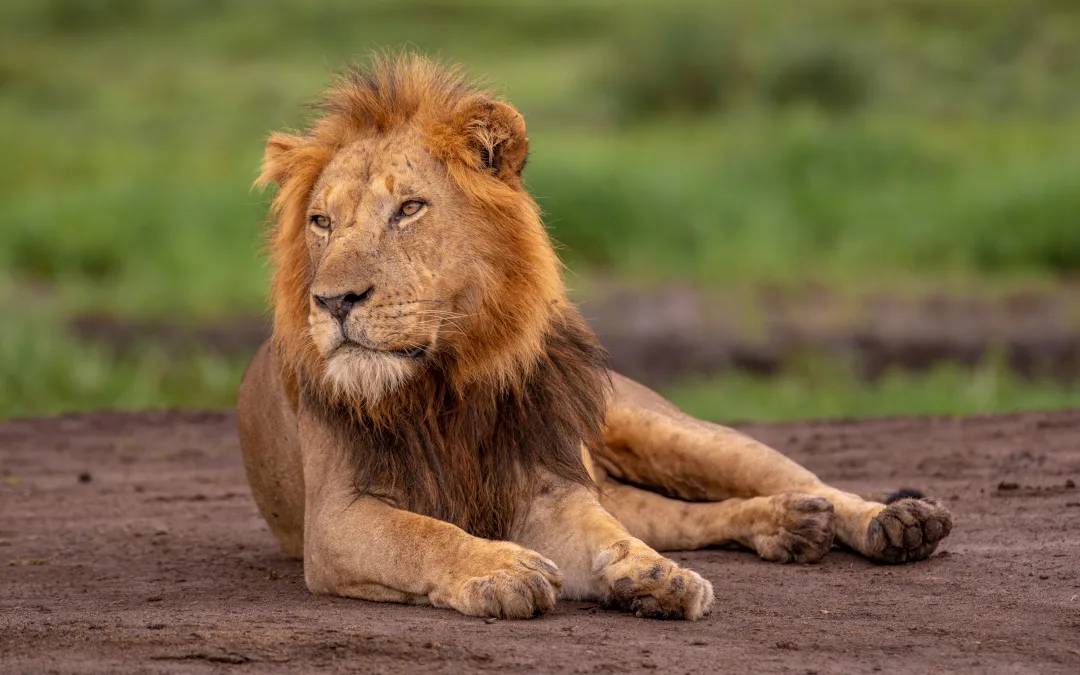
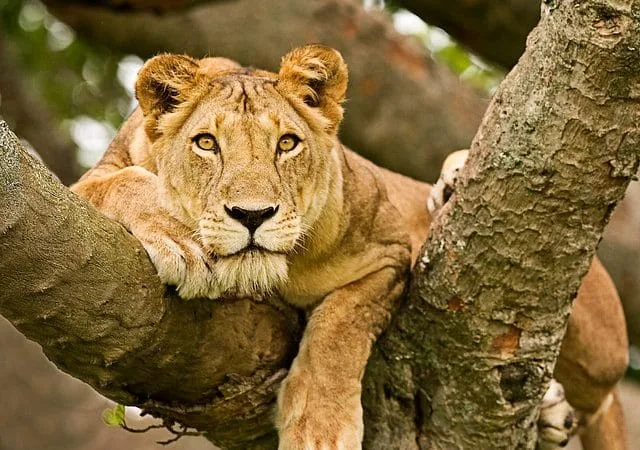
For those seeking the perfect shot, the escarpment in Queen Elizabeth delivers some of Uganda’s most breathtaking photographic opportunities. Early morning mist and evening golden light paint the landscape with color and contrast. From your elevated position, you may spot herds of elephants, buffalo, antelope, or even lions roaming the plains below.
Whether you’re a professional or just snapping memories, this is one of the best locations in Queen Elizabeth National Park for stunning landscape and wildlife photography.
Ecological and Cultural Significance
Beyond its visual appeal, the escarpment is a vital part of Queen Elizabeth National Park’s ecosystem. It acts as a wildlife corridor, supporting species that thrive in its unique elevation and rocky terrain. You’ll find a variety of endemic plants and birds that are perfectly adapted to this micro-environment.
The escarpment also holds cultural importance. For generations, nearby communities have lived in harmony with the land, relying on its resources while participating in conservation efforts that protect the park’s biodiversity.
Key Viewpoints Along the Escarpment
There are several must-visit viewpoints along the escarpment within Queen Elizabeth, each offering its own unique perspective:
- Katwe Explosion Craters: A stunning crater lake area showcasing the park’s volcanic history.
- Leopard Rock Viewpoint: A peaceful and less-crowded location for wildlife viewing.
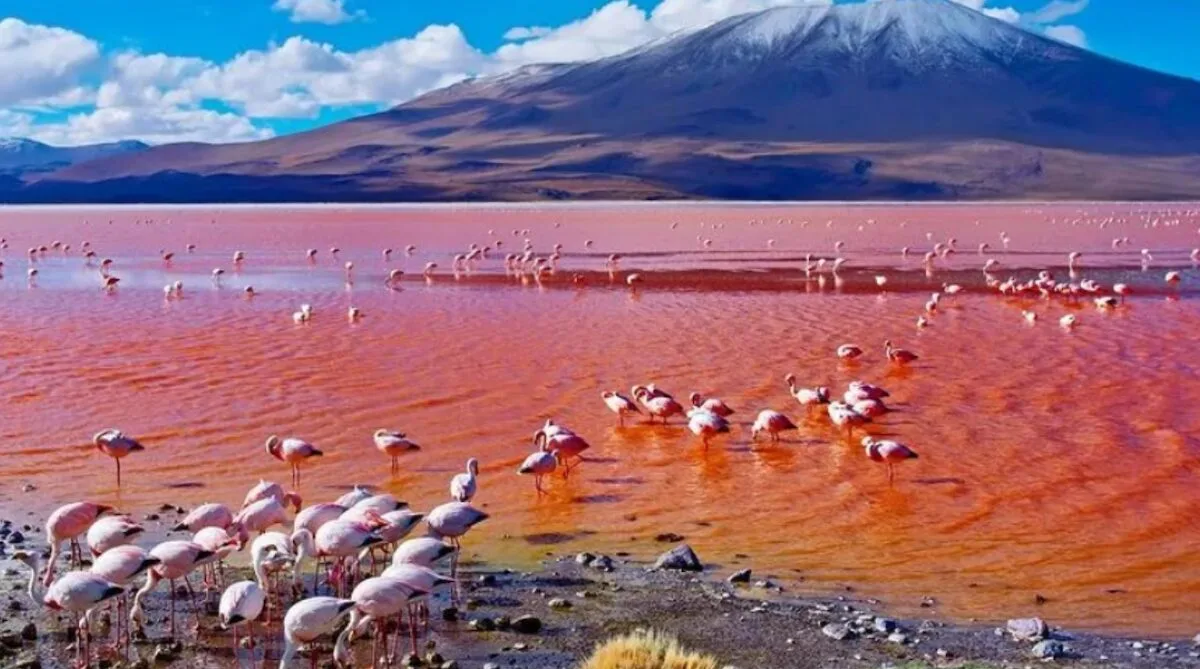
- Bunyampaka and Nyamunuka Lakes: Salt lakes below the escarpment that attract flamingos and other birdlife.
These sites are typically visited as part of a game drive, guided walk, or custom safari tour through Queen Elizabeth National Park.
Why the Escarpment Is a Must-See
If you’re planning a safari to Queen Elizabeth, be sure to include the escarpment in your itinerary. It’s more than just a high point in elevation. It’s a high point in emotion. Standing on the escarpment’s edge, you feel the vastness of Uganda stretch before you, with nature’s rhythm unfolding below.
Whether you’re drawn by geological history, wildlife sightings, or epic scenery, the escarpment is a highlight of any trip to Queen Elizabeth National Park. Contact Orika Africa to book your safari today. Permits and access are managed by the Uganda Wildlife Authority.
Our 10 Days Uganda Safari Holiday is the most thorough way to explore Queen Elizabeth, including the Kazinga Channel, the Ishasha sector and the Kyambura Gorge rim. For a shorter visit, the 7 Days Primates and Wildlife Safari combines the park with Kibale Forest chimpanzees. The 8 Days Primates and Wildlife Safari goes further, adding a Bwindi gorilla trek. Dive deeper into the park’s wonders with our posts on Kyambura Gorge, How the Kazinga Channel Was Formed, and The Salty Lakes of Queen Elizabeth. For a closer look at local life around the park, read about The Fish Market in Queen Elizabeth National Park. To explore everything Uganda has to offer beyond Queen Elizabeth, our Uganda destination guide covers the full picture.