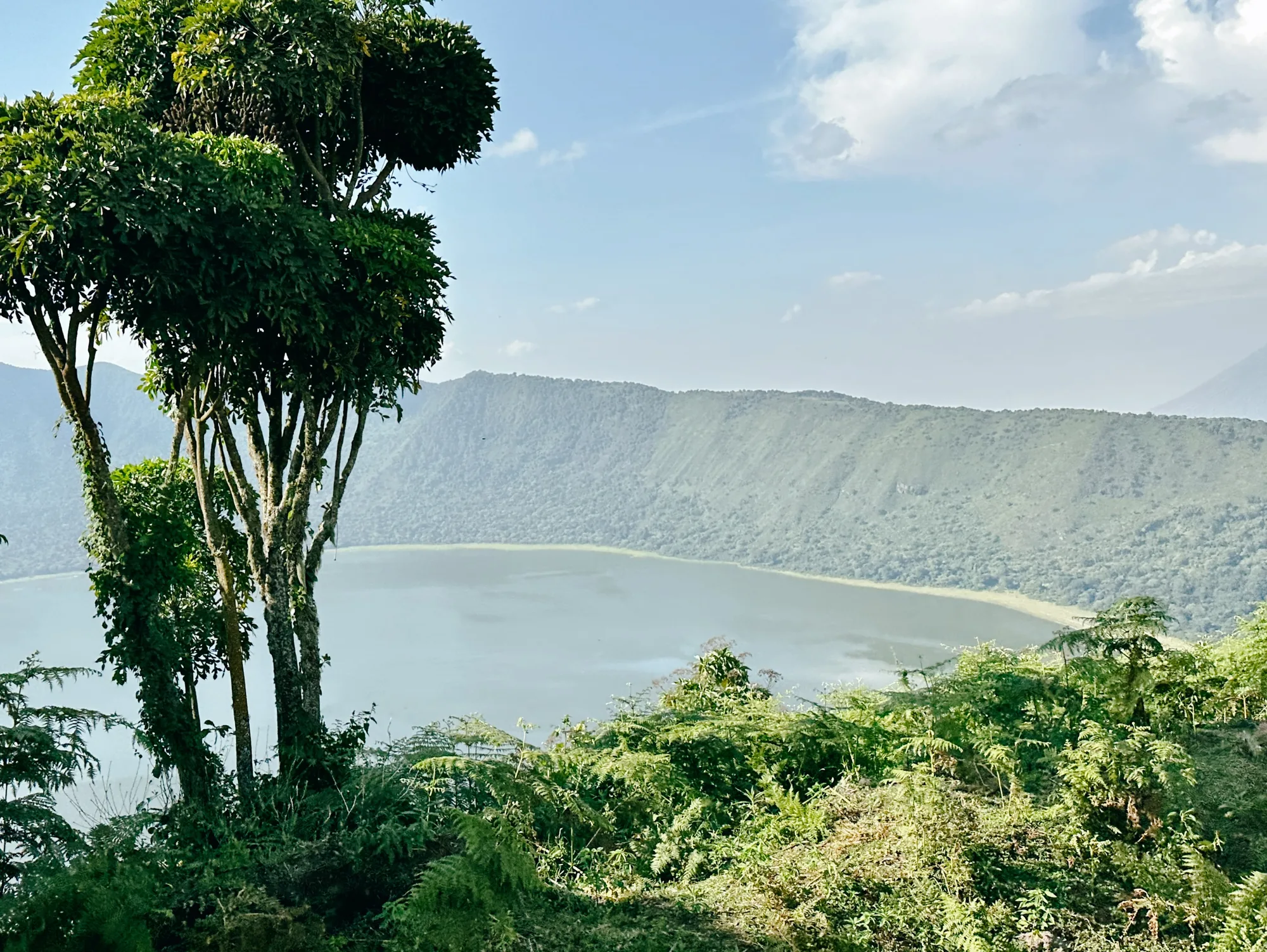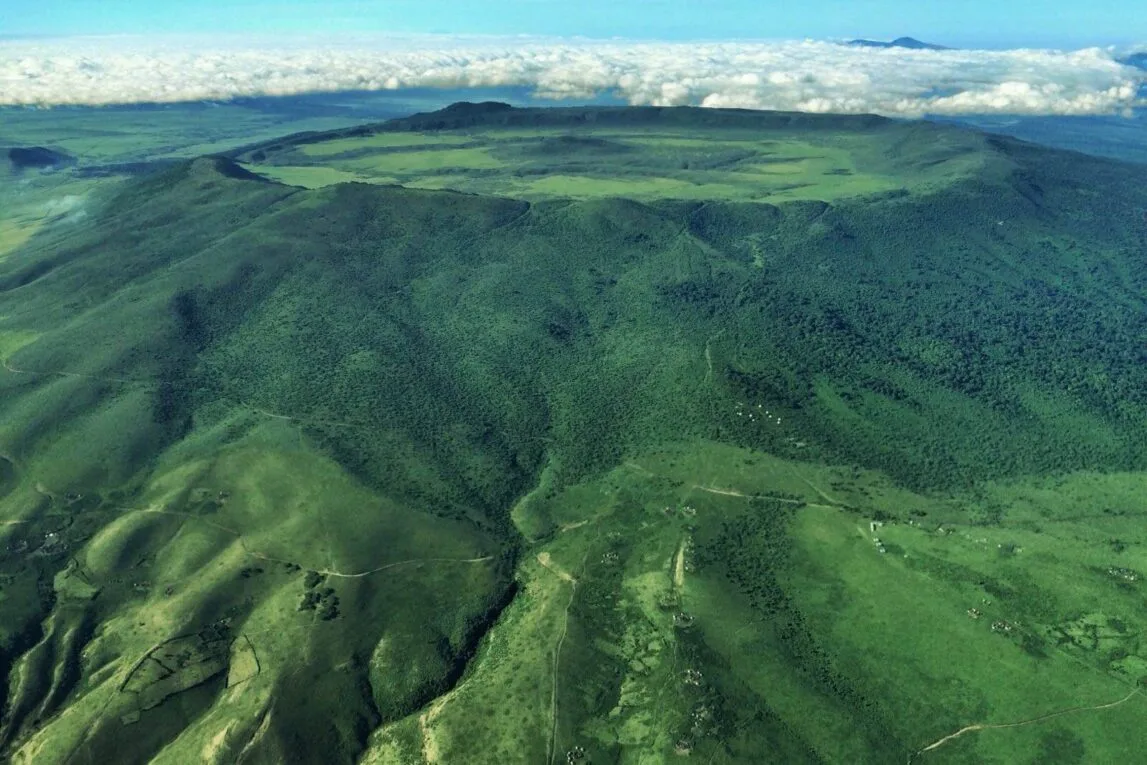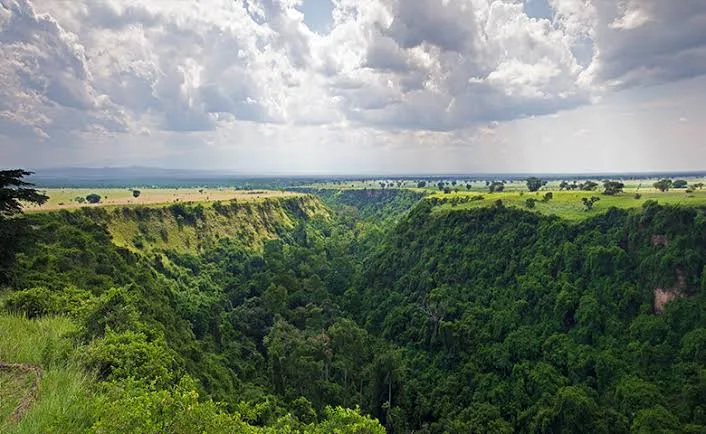
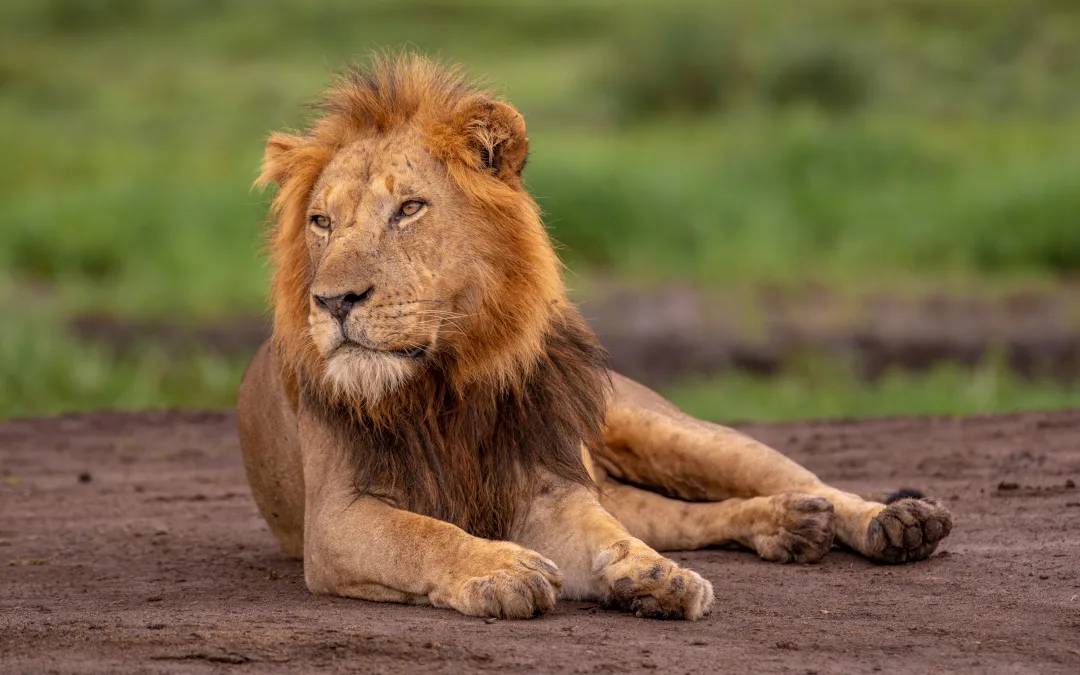
Queen Elizabeth National Park in western Uganda is celebrated for its tree-climbing lions, rich wildlife, and dramatic volcanic scenery. However, hidden within this stunning landscape are some of its most fascinating features: the salty crater lakes. These ancient formations, created by volcanic activity, are more than just scenic landmarks. They support local communities, wildlife, and hold deep cultural value.
How the Salty Lakes Were Formed
The salty crater lakes were formed millions of years ago during a period of intense volcanic activity. This region is part of the Albertine Rift, which belongs to the larger East African Rift System. During eruptions, steam and gas from beneath the earth burst through the surface, creating large explosion craters.
Over time, these craters filled with rainwater. Because they have limited or no outlets and experience high rates of evaporation, minerals and salts gradually built up in the water. As a result, these lakes became saline or alkaline. Their size and salt content can shift with seasonal weather patterns.
Key Salty Lakes to Discover
Lake Katwe – Uganda’s Ancient Salt Mine
Lake Katwe is the most well-known of the crater lakes. Located in the Katwe-Kikorongo Volcanic Field, it has supported salt mining for centuries. Along its shores, shallow salt pans are dug by hand, where locals harvest both rock and brine salt.
Cultural Significance
The salt industry at Lake Katwe is run entirely by the local community. It remains a major source of income and identity for many families.
Tourism Tip
Visitors can take guided tours to see the traditional salt mining process, meet local miners, and learn about the lake’s geological past.
Lake Munyanyange – Prime Flamingo and Bird Habitat
Close to Lake Katwe is Lake Munyanyange. This smaller saline lake is a seasonal feeding and nesting ground for migratory birds, including the famous lesser flamingo.
Ecological Importance
The mineral-rich waters support algae and brine shrimp, which are food for many bird species.
Best Time to Visit
During Uganda’s dry seasons (June to August and December to February), large flocks of birds gather at the lake, making it a prime spot for birdwatching.
Lake Bunyampaka – Views and Salt Traditions
Lake Bunyampaka lies in the northern part of the park and offers broad views of the savannah landscape. Wildlife such as buffaloes, warthogs, and birds are commonly seen nearby.
Salt Harvesting
Like Lake Katwe, it supports small-scale salt mining.
Local Experience
Shops around the lake sell handmade crafts, salt samples, and cold drinks. It is a great place to pause and enjoy both nature and culture.
Ecological Role of the Salty Lakes
Even with their high salt levels, these lakes are home to a wide variety of life. They support unique ecosystems that include:
Microbial Life
Alkaline and salty conditions are perfect for cyanobacteria and other microscopic life forms. These organisms form the base of a food web that supports birds and other animals.
Bird Habitats
Many migratory species depend on these lakes for food and nesting, especially during dry months.
Wildlife Activity
Large mammals often graze or rest around the lake edges. The mineral-rich soils are good for their health.
Conservation Note
These environments are fragile. They are affected by human activity, climate change, and pollution. Protecting them requires cooperation between communities, conservation groups like the Uganda Wildlife Authority, and visitors.
Cultural and Economic Importance of the Lakes
The salty lakes play a central role in the local economy. Lake Katwe, in particular, is known for its centuries-old salt mining tradition.
Gender Roles in Salt Mining
Men typically extract and carry raw salt from the lake. Women manage the evaporation ponds, where water is turned into crystalized salt.
Economic Value
Though the work is hard and sometimes dangerous, it remains essential to the region’s survival. Entire communities depend on the income from salt.
Tourism Benefit
Tourist visits bring in revenue through guided tours, entrance fees, and the sale of crafts. This supports local development and helps preserve traditional practices.
Planning Your Visit
The salty lakes are easy to access as part of a trip to Queen Elizabeth National Park. They can be included in many travel itineraries.
Top Things to Do
-
Take a salt mining tour at Lake Katwe
-
Go birdwatching at Lake Munyanyange
-
Enjoy the views and local stalls at Lake Bunyampaka
-
Learn about the region’s geology, wildlife, and cultural heritage from local guides
Best Time to Visit
Dry seasons, from June to August and December to February, offer the best conditions. See our safari guide for more packing tips. Roads are easier to use, wildlife is more visible, and salt production is fully active.
What to Pack
-
A good camera
-
Hat and sunscreen
-
Binoculars for birdwatching
Why the Salty Lakes Matter
The salty crater lakes of Queen Elizabeth National Park are more than just geological wonders. They are living stories of Earth’s volcanic past, of nature’s adaptability, and of human resilience. These lakes link science, culture, and sustainability in one powerful setting.
Whether you are a nature lover, a birding enthusiast, a photographer, or someone interested in cultural experiences, the salty lakes offer a unique and meaningful journey.
The crater lakes are a vivid sideshow on our 10 Days Uganda Safari Holiday, which includes an afternoon excursion to Bunyampaka salt lake. The 8 Days Primates and Wildlife Safari moves through this area en route between Kibale and Bwindi. For more on the volcanic forces that shaped them, read Katwe Kikorongo Crater Lakes, and see our full Queen Elizabeth National Park guide for everything the park offers beyond the lakes. To explore everything Uganda has to offer beyond Queen Elizabeth, our Uganda destination guide covers the full picture.