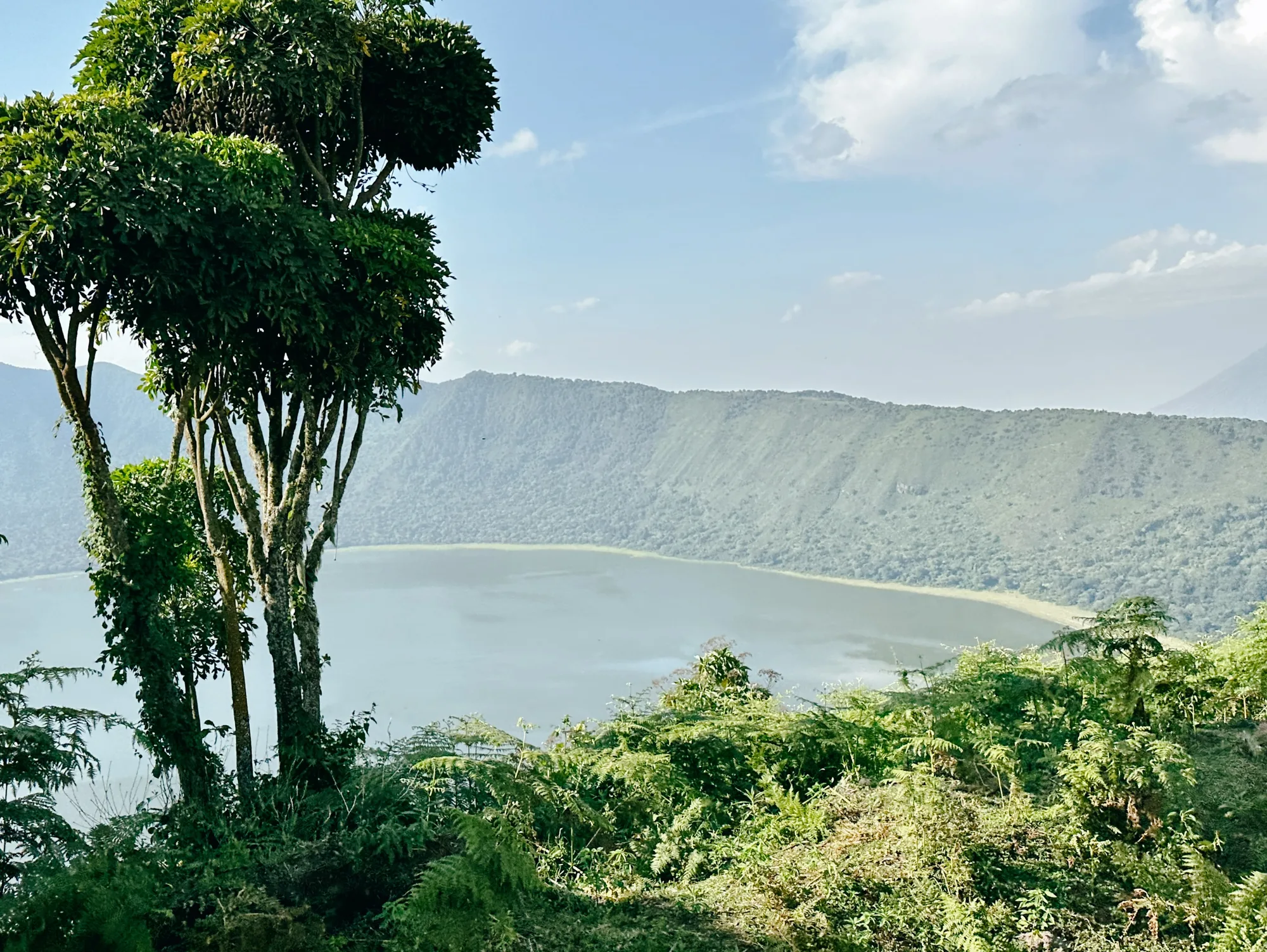
The Katwe-Kikorongo Volcanic Field in Queen Elizabeth National Park is a cluster of explosion craters formed millions of years ago by the same Albertine Rift activity that shaped the park’s lakes and valleys. Several craters are now filled with water, including Lake Katwe, a working salt lake that has supplied communities with salt for over 500 years. It is the only place in East Africa where you can watch traditional salt mining still happening at scale.
How the Katwe-Kikorongo Volcanic Field Was Formed
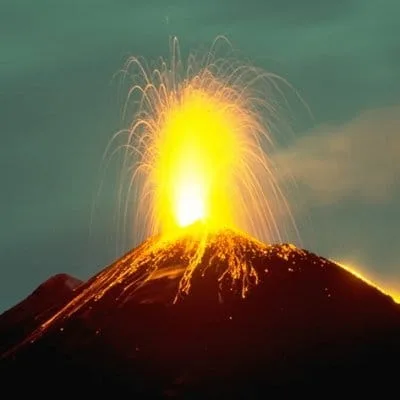
Located in the northern section of the park, the Katwe-Kikorongo Volcanic Field is part of the Albertine Rift Valley. Unlike the tall volcanoes found elsewhere in East Africa, this field features shallow craters and wide cones. These formed millions of years ago through explosive eruptions that blasted ash and steam high into the sky.
The result? A surreal landscape of crater lakes, steep rims, and ancient lava flows. Some craters are now filled with water, while others remain dry, exposing the cracked earth and volcanic rock. It’s a vivid look at the Earth’s fiery past frozen in time.
Lake Katwe – Where Geology Meets Livelihood
Among the most famous features in the volcanic field is Lake Katwe, a highly saline crater lake. For centuries, this lake has supported traditional salt mining, a trade that remains active to this day. Using time-honored methods, local miners extract salt in a labor-intensive process passed down through generations.
The salt pans, arranged in neat squares around the lake’s edge, form a striking contrast to the wild surroundings. Visitors can observe the salt harvesting process up close and learn how the local community continues to depend on the lake for economic survival.
This unique site blends geological wonder with cultural endurance, making it a highlight of any Queen Elizabeth National Park safari.
Wildlife and Birdlife in the Volcanic Field
The Katwe-Kikorongo region is not just a geological marvel. It’s also a vibrant ecosystem that attracts both birds and mammals. Crater lakes serve as watering holes and feeding grounds for many species. Birdwatchers will enjoy sightings of flamingos, pelicans, herons, and African fish eagles especially during migration seasons.
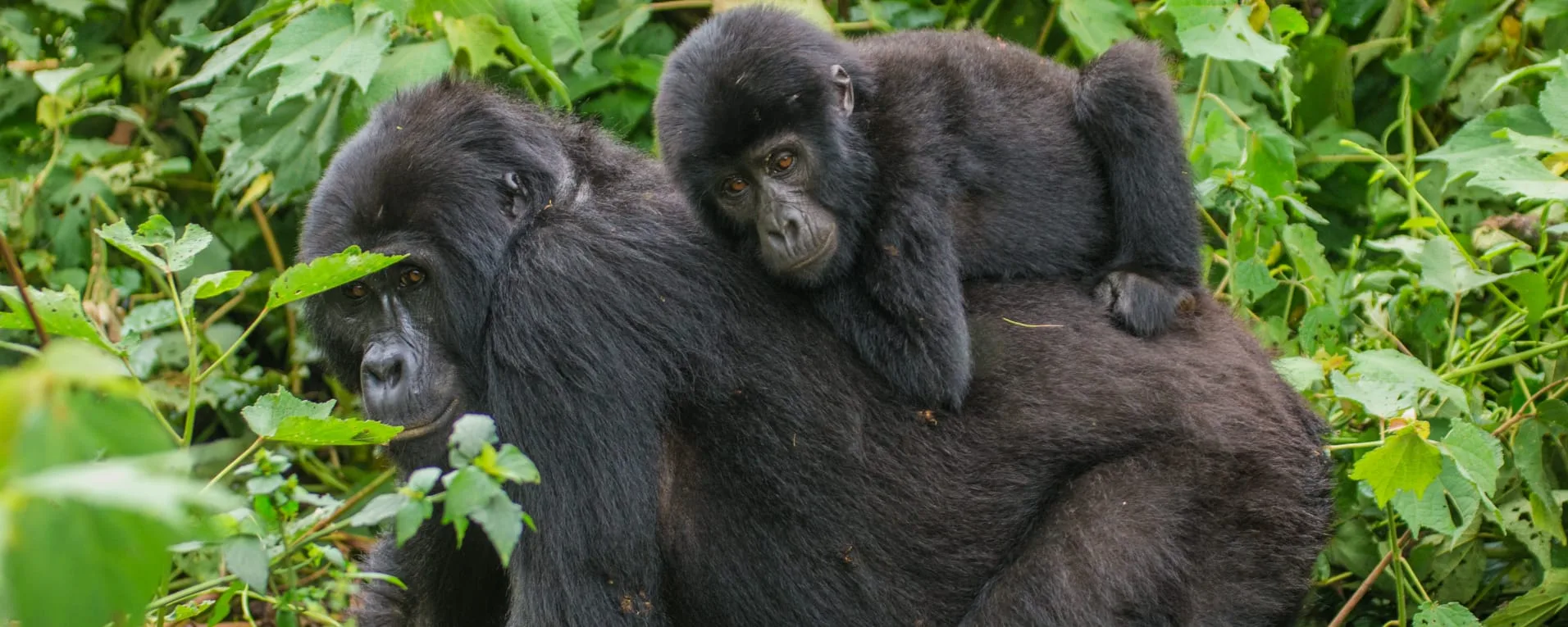
You might also spot elephants, buffaloes, or warthogs moving through the grasslands and around the crater rims. The combination of volcanic terrain and thriving biodiversity creates a truly immersive wildlife experience.
How to Visit Katwe-Kikorongo
Access to the volcanic field is relatively easy. Many lodges and safari camps in Queen Elizabeth National Park offer guided tours to the area. These tours often include a stop at Lake Katwe, where local guides share stories about geology, salt mining, and community life.
Popular viewpoints along the crater rims provide sweeping views of the entire park. On a clear day, you can see Lake Edward, the Rwenzori Mountains, and even distant hills in the Democratic Republic of Congo.
Photographers, nature lovers, and culture enthusiasts will all find something to appreciate in this uniquely rich environment.
Why Katwe-Kikorongo Deserves a Place on Your Itinerary
The Katwe-Kikorongo Volcanic Field is more than just a collection of craters. It’s a living classroom of Earth science, human resilience, and natural splendor. Its salt lakes and steaming fissures tell the story of Uganda’s volcanic past. Meanwhile, its communities and wildlife remind us how life can flourish in the most dramatic environments.
If you’re exploring Queen Elizabeth National Park, don’t skip this hidden gem. It offers something that few destinations can: a powerful sense of history, place, and perspective. The site is managed by the Uganda Wildlife Authority.
Ready to explore crater lakes, walk among ancient lava flows, and witness salt mining traditions in action? Add Katwe-Kikorongo to your Queen Elizabeth National Park adventure and uncover one of Uganda’s most fascinating and enriching experiences.
Book your safari today and step into the volcanic heart of western Uganda.
The Katwe craters are included in several of our Uganda itineraries as an afternoon excursion. The 10 Days Uganda Safari Holiday and 6 Days Wildlife and Chimpanzee Safari both pass through this volcanic corridor. The 8 Days Primates and Wildlife Safari can be extended to include a crater lakes walk. Read also: The Salty Lakes of Queen Elizabeth National Park for the chemistry behind these vivid waters, and our full Queen Elizabeth National Park guide.