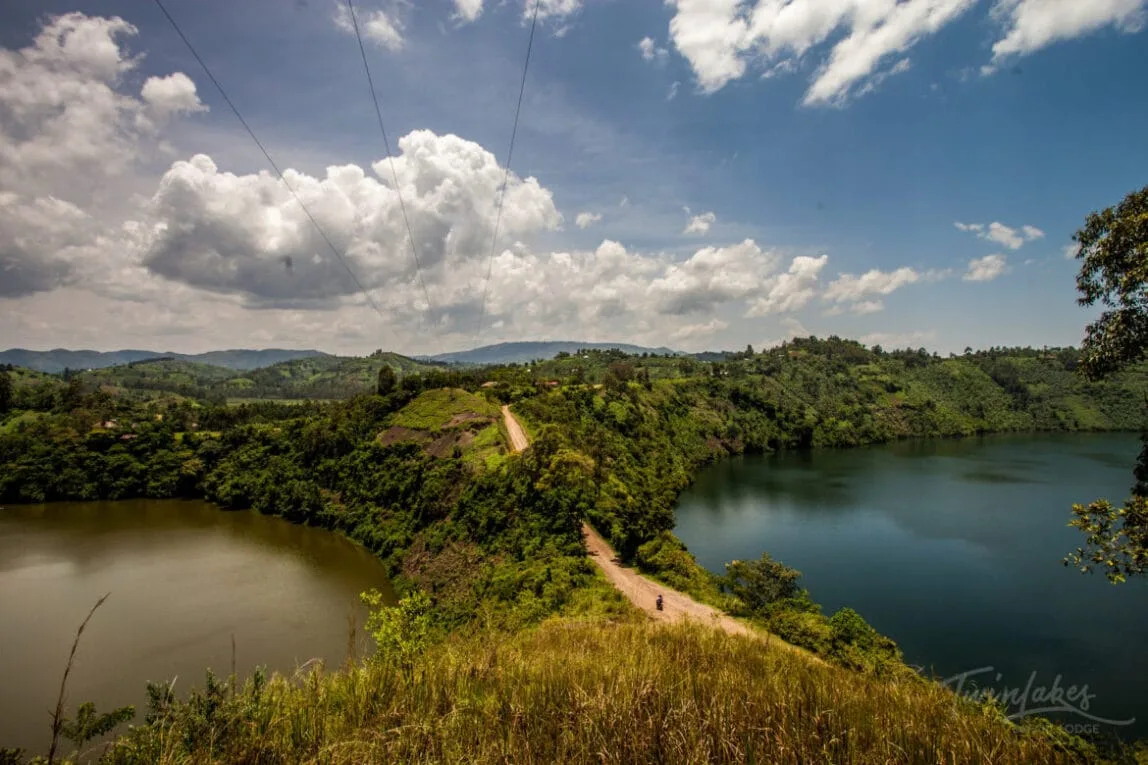
Lake Nyamunuka and Lake Kyasanduka are two volcanic crater lakes on the eastern edge of Queen Elizabeth National Park, just above Kyambura Gorge. Both formed from explosion craters created by the Albertine Rift’s volcanic activity, and Lake Nyamunuka is notable for its sulfur-rich waters that attract elephants and buffalo seeking mineral mud. They are rarely included on standard itineraries, making them a genuine off-the-beaten-path add-on for visitors spending more than one night in the park.
The Geology of the Twin Lakes
The Twin Lakes lie just beyond Kyambura Gorge, an impressive ravine carved by centuries of flowing water. Formed by explosive volcanic activity in the Western Rift Valley, the lakes are classic examples of explosion craters, which are round, steep-walled basins created when underground gases violently erupted through the Earth’s crust.
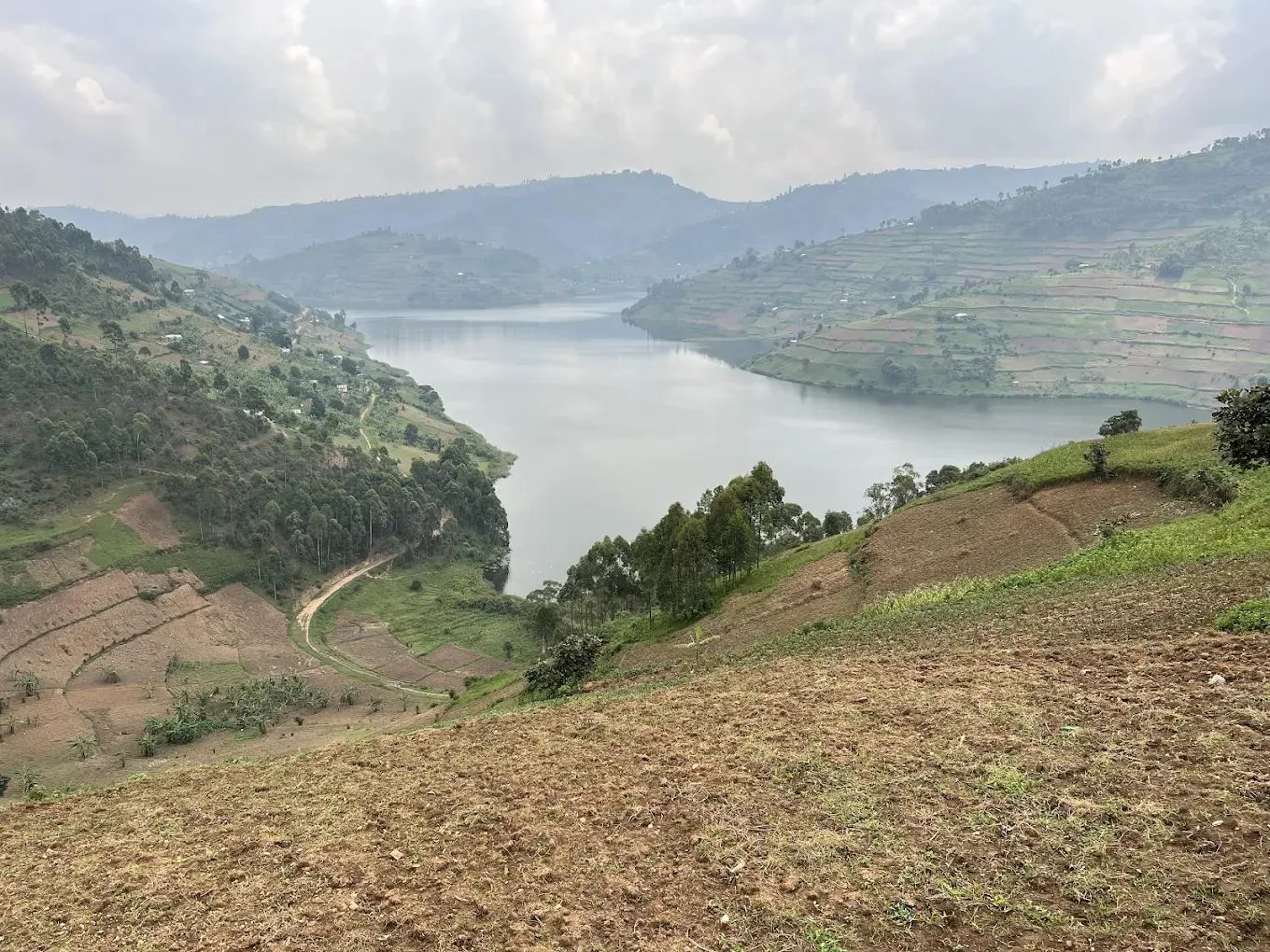
Fed mainly by rainwater and groundwater seepage, their fluctuating water levels add to their ecological intrigue. With acacia woodlands, savannah grasslands, and distant views of the Rwenzori Mountains, the area is a visual delight for hikers, photographers, and nature lovers alike.
Lake Nyamunuka – Minerals, Wildlife and Healing Waters
Lake Nyamunuka is the larger and more prominent of the two. It’s widely known for its sulfur-rich waters, which give it a distinctive scent and a reputation for natural healing. Wildlife such as buffalo and elephants are often seen visiting the lake to wallow in its mineral-rich mud, believed to soothe skin and fight parasites.
Though not safe for swimming, the lake’s unique chemical makeup offers a fascinating case study in volcanic ecology. The surrounding habitat also supports a variety of birds, including spur-winged plovers, grey-headed kingfishers, and black-headed weavers, making it a rewarding stop for birdwatchers.
Lake Kyasanduka – The Quiet Companion
Quieter and more secluded, Lake Kyasanduka is often overlooked but no less captivating. Its gentle landscape, acacia thickets, and mirror-like waters reflect Uganda’s dramatic skies, especially at sunset.
The lake is a haven for stillness, ideal for photography, guided nature walks, or quiet reflection. With fewer visitors, it offers a more intimate connection to the park’s volcanic terrain and natural beauty.
Cultural Significance and Community Connection
Beyond their natural allure, the Twin Lakes hold deep cultural meaning. Local communities regard them as sacred and often reference them in oral histories and legends. Some stories suggest the lakes were formed by divine acts or serve as sites of ancestral memory.
Today, communities participate in conservation and eco-tourism initiatives supported by the Uganda Wildlife Authority (UWA). Through guiding, storytelling, and craft sales, locals both protect and benefit from these unique sites.
How to Visit the Twin Lakes
Visiting the Twin Lakes is a straightforward and enriching experience. Several nearby lodges, such as Kyambura Game Lodge and Mazike Valley Lodge, offer guided excursions to the lakes.
A typical visit may include:
- A hike or short drive to key lake viewpoints
- Geological insights into volcanic activity and the rift valley
- Birdwatching and wildlife spotting opportunities
- Optional community interactions, including salt-mining tours at Lake Katwe
Best Time to Visit: June–August and December–February offer the driest and most photogenic conditions.
The Twin Lakes of Kyambura are more than quiet bodies of water. They are a window into the dramatic forces that shaped Uganda’s land and culture. Nestled within Queen Elizabeth National Park, they provide a peaceful yet profound connection to the natural world.
For travelers seeking more than a standard safari, a visit to Lake Nyamunuka and Lake Kyasanduka invites you to pause, breathe, and reflect. It’s an experience that’s not only visually stunning but also spiritually grounding.
Explore Queen Elizabeth National Park like never before. Discover its hidden craters, meet its guardians, and witness the quiet magic of the Twin Lakes.
The twin lakes sit close to the Kyambura Gorge trailhead, making them a natural addition to a chimp-trekking day. Our 10 Days Uganda Safari Holiday includes time at both, and the 6 Days Wildlife and Chimpanzee Safari can be extended to include the lake walk at no extra distance. Read more about the gorge itself in our post on Kyambura Gorge in Uganda, and get the broader park picture in our Queen Elizabeth National Park guide. To explore everything Uganda has to offer beyond Queen Elizabeth, our Uganda destination guide covers the full picture.