Queen Elizabeth National Park, located in western Uganda, is not only a haven for wildlife and stunning landscapes but also a region deeply shaped by the tribes and cultures around Queen Elizabeth. These communities have lived in harmony with the land for generations, offering travelers a window into Uganda’s vibrant cultural diversity. Their traditions, beliefs, and daily lives are closely tied to the natural beauty of the park, enriching both the ecosystem and visitor experience.
Who Lives Around Queen Elizabeth National Park?
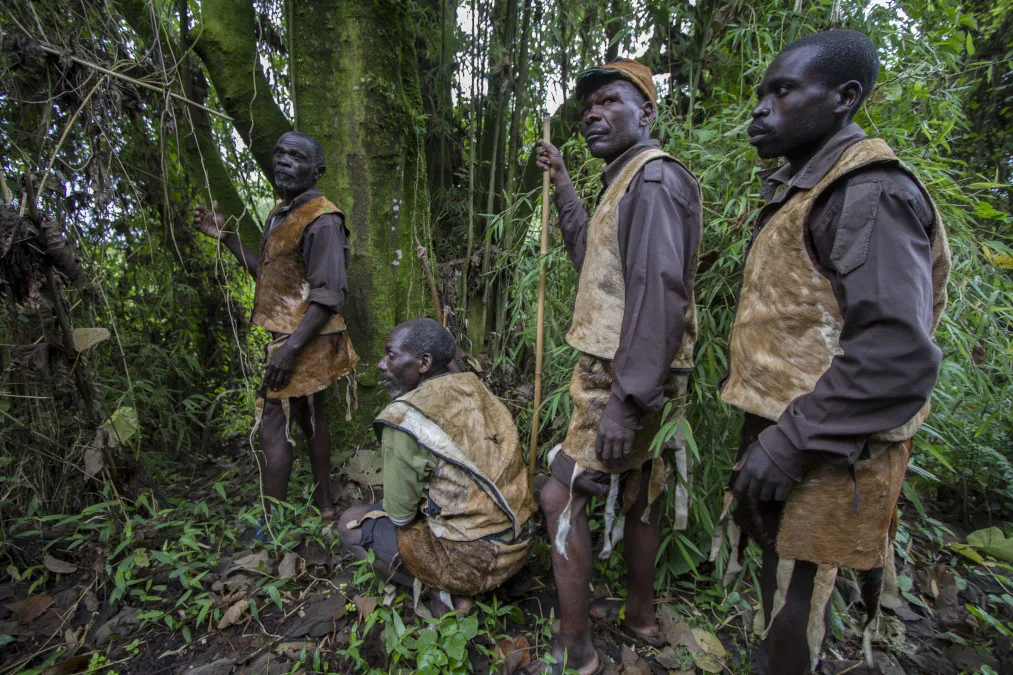
The tribes and cultures around Queen Elizabeth are spread across the districts of Kasese, Rubirizi, Kamwenge, Bushenyi, and Rukungiri. Each group contributes to the region’s social, spiritual, and economic fabric in unique ways.
1. The Bakonzo (Rwenzururu People)
Location: Foothills of the Rwenzori Mountains (Kasese District)
Language: Lhukonzo (a Bantu language)
Main Livelihoods: Farming, livestock keeping, small-scale trade
The Bakonzo are one of the most prominent tribes living around Queen Elizabeth National Park. Known for their deep respect for the natural world, they practice terraced farming and uphold spiritual traditions linked to sacred rivers and forests.
Cultural Highlights:
-
Traditional music with flutes and drums
-
Ceremonial dances and ancestral rituals
-
The Rwenzururu Kingdom as a symbol of cultural identity
2. The Banyabindi
Location: Kasese and Rubirizi Districts
Language: Lunyabindi
Main Livelihoods: Farming, fishing, and salt mining
This small ethnic group is known for its ancestral salt mining around Lake Katwe and its seasonal ceremonies. Their customs reflect a strong spiritual connection with lakes and other natural landmarks.
Cultural Features:
-
Rainmaking rituals
-
Oral storytelling and clan traditions
-
Multi-generational salt mining skills
3. The Basongora
Location: Savannah plains in Kasese District
Language: A dialect of Runyakitara
Main Livelihood: Cattle herding
The Basongora have long been cattle herders, raising Ankole long-horned cattle across the plains. Though they were displaced by the creation of the park, their culture remains rooted in pastoralism.
Key Identity Markers:
-
Cattle-centered social systems
-
Community ceremonies celebrating livestock
-
Oral traditions and local resistance history
4. The Banyankole
Location: Rubirizi and Bushenyi Districts
Language: Runyankole
Main Livelihoods: Agriculture and cattle rearing
The Banyankole, divided into the Bahima (pastoralists) and Bairu (farmers), are known for their structured clan systems, rich oral traditions, and cultural dances like Ekitaguriro.
Cultural Highlights:
-
Ankole cattle as status symbols
-
Milk-based cuisine and banana farming
-
Respect for elders and community hierarchy
Cultural Tourism Opportunities
Exploring the tribes and cultures around Queen Elizabeth goes beyond wildlife viewing. Visitors can connect with local communities through:
-
Guided village walks and homestays
-
Traditional dance and music shows
-
Salt mining demonstrations at Lake Katwe
-
Visits to cultural centers and museums
-
Craft shopping at local artisan markets
These experiences provide insight into traditional lifestyles, beliefs, and creative expressions while supporting community development through tourism.
Culture and Conservation Working Together
Many of the tribes and cultures around Queen Elizabeth National Park are active participants in conservation. Collaborations with the Uganda Wildlife Authority (UWA) and NGOs have led to joint efforts in protecting wildlife and promoting eco-tourism.
Initiatives Include:
-
Cultural leaders promoting environmental awareness
-
Local guides trained in conservation education
-
Women’s groups involved in sustainable tourism enterprises
Elders and traditional kingdoms also help preserve indigenous knowledge about natural resource management and wildlife behavior.
Challenges Faced by Local Communities
Despite their strong heritage, local tribes face modern challenges, such as:
-
Limited access to ancestral lands due to park boundaries
-
Climate change, reducing crop and livestock productivity
-
Urban migration, weakening traditional knowledge transfer
-
Underrepresentation, especially for smaller tribes like the Banyabindi
Efforts are underway to empower these communities through inclusive land-use planning, cultural preservation programs, and youth education.
Why Their Heritage Matters
The tribes and cultures around Queen Elizabeth National Park are a vital part of Uganda’s national identity. Their customs, stories, and connection to the land bring depth to the park’s significance as more than just a wildlife destination.
Visitors who take time to learn from and interact with these communities contribute to a deeper, more respectful form of tourism, one that values both biodiversity and human diversity.
These communities form a living backdrop to several of our itineraries. The 9 Days Uganda Adventure and Cultural Safari is built specifically around cultural access alongside wildlife. The 10 Days Uganda Safari Holiday and 8 Days Uganda Family Luxury Safari both move through Queen Elizabeth with time for community visits. Also read: Banana Gin Brewing in Bunyaruguru for a close-up on one village tradition, and our full Queen Elizabeth National Park guide. And for an unusual piece of the park’s history, read about The Queen’s Visit to Queen Elizabeth National Park. To explore everything Uganda has to offer beyond Queen Elizabeth, our Uganda destination guide covers the full picture.