The Kazinga Channel is a 32km natural waterway connecting Lake George to Lake Edward in western Uganda, formed over millions of years as the Albertine Rift pulled apart and reshaped the land. It holds one of the highest concentrations of hippos and Nile crocodiles on the continent, and the daily boat cruise along its banks is consistently rated one of Uganda’s top wildlife experiences. The channel’s depth and flow are maintained by the same tectonic forces still actively reshaping this part of East Africa today.
Geological Context – The Rift Valley’s Influence
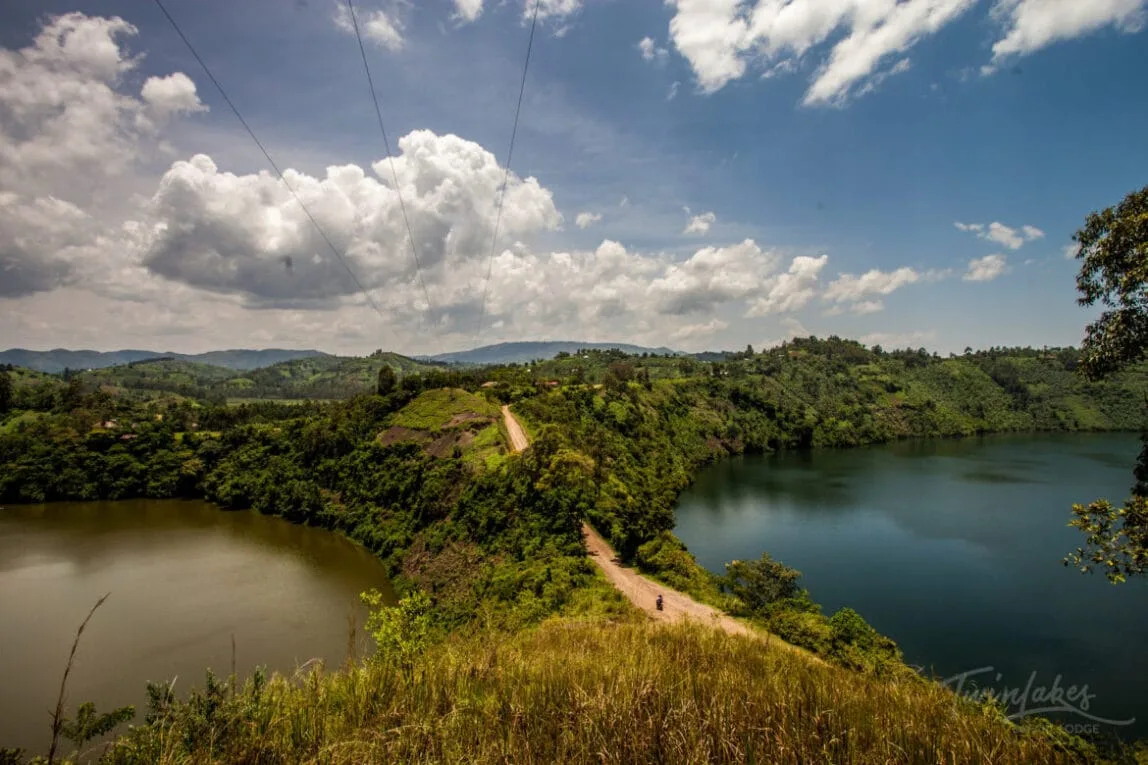
Queen Elizabeth National Park is situated in the Albertine Rift, a western branch of the East African Rift System, a tectonic zone where the Earth’s crust is gradually pulling apart. This active rifting has given rise to dramatic geological features including:
-
Volcanic mountains
-
Crater lakes
-
Fault lines
-
Rift valleys
The Kazinga Channel is one of the many landforms born from these dynamic earth movements, shaped through a combination of volcanic activity, tectonic subsidence, and hydrological flow.
The Origin and Formation of the Kazinga Channel
Tectonic Rift Activity
Tectonic shifts in the Albertine Rift led to the formation of depressions in the Earth’s crust. These low-lying basins eventually filled with water, forming Lake George and Lake Edward.
Volcanic Influence
Past volcanic eruptions in the region altered the landscape, depositing lava and ash that redirected surface water flow and shaped the surrounding terrain.
Hydrological Evolution
As Lake George’s water levels rose, overflow began to cut through the landscape toward Lake Edward. Over time, this stream was naturally carved into what we now know as the Kazinga Channel, deepened and widened by erosion, seasonal flooding, and sediment transport.
Unlike man-made canals, the Kazinga Channel is a naturally evolving watercourse, essential to the region’s hydrology.
Physical Characteristics of the Kazinga Channel
-
Length: ~32 kilometers (20 miles)
-
Width: Between 30 and 100 meters
-
Depth: 5 to 10 meters in most areas
-
Flow Direction: From Lake George into Lake Edward
-
Hydrology: Water levels fluctuate with seasonal rainfall and evaporation
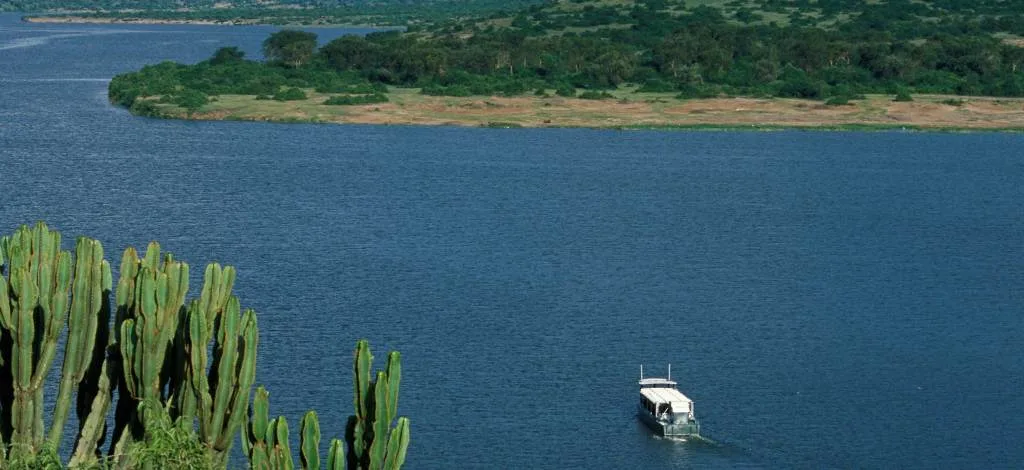
The channel meanders through savannah grasslands, papyrus swamps, and wooded shorelines, creating a range of microhabitats along its path.
Ecological Importance and Biodiversity
The formation of the Kazinga Channel has fostered an incredibly rich ecosystem that supports one of the highest concentrations of wildlife in East Africa.
Aquatic Life
The waters teem with fish species such as:
-
Nile perch
-
Tilapia
-
Catfish
These species support both the local fishing economy and predator species like crocodiles and birds.
Birdlife
With over 600 recorded bird species, the channel is a haven for birdwatchers. Key sightings include:
-
African Fish Eagles
-
Pied Kingfishers
-
Pelicans
-
Shoebills (occasionally spotted)
Mammals and Reptiles
-
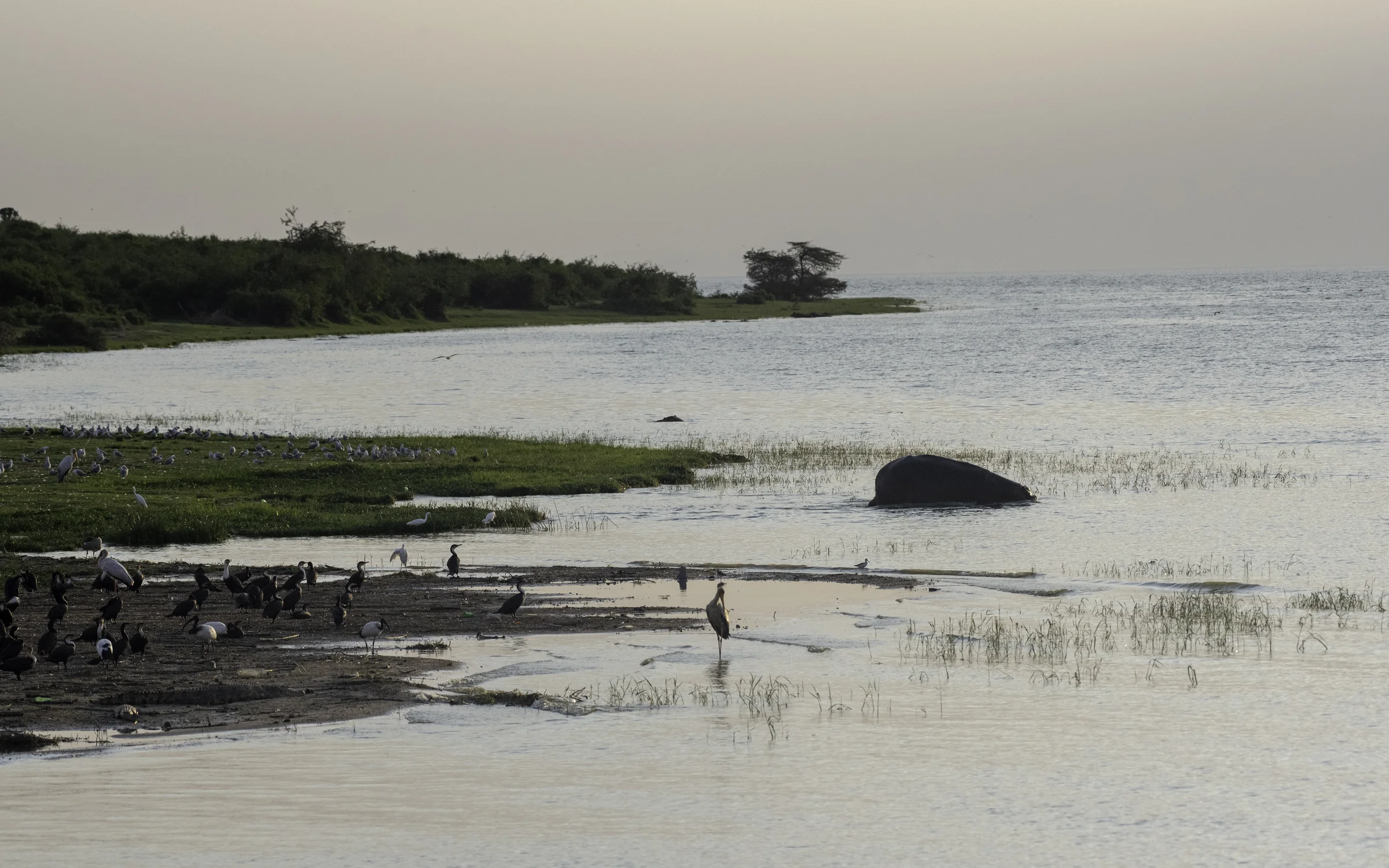
Hippos (in the thousands)
-
Nile crocodiles
-
Elephants, buffaloes, and even lions regularly visit the banks to drink or hunt.
This diversity makes the Kazinga Channel one of the best locations for wildlife viewing in Uganda.
Role in Tourism and Conservation
Eco-Tourism Attraction
The Kazinga Channel is one of the top highlights of any safari in Queen Elizabeth National Park. Popular boat cruises offer unforgettable views of hippos wallowing, elephants bathing, and birds in flight, all from just meters away.
Conservation Significance
The channel’s constant water flow supports:
-
Year-round hydration for animals
-
Genetic diversity for aquatic species
-
Wetland and savannah ecosystems during dry spells
Environmental Challenges
Despite its beauty and ecological value, the Kazinga Channel faces mounting pressures:
-
Water pollution from agricultural runoff and nearby human settlements
-
Invasive species such as water hyacinth threatening native vegetation
-
Climate change, altering rainfall patterns and water levels
Conservation Efforts
The Uganda Wildlife Authority (UWA), alongside local communities and global partners, actively works to:
-
Monitor water quality
-
Remove invasive species
-
Promote responsible tourism
-
Educate communities on ecosystem protection
A Legacy of Natural Wonder
The formation of the Kazinga Channel is not just a geological tale. It’s a living, breathing ecosystem. As a natural waterway born from rifting earth and flowing waters, it serves as a crucial ecological artery, nurturing life across Queen Elizabeth National Park.
Whether viewed from a safari boat or studied by conservationists, the Kazinga Channel remains a symbol of nature’s resilience, beauty, and interconnectedness in the heart of Africa.
Book your boat cruise with Orika Africa and experience the Kazinga Channel at its most spectacular. See our safari guide for what to expect on the water.
The channel boat cruise is a centrepiece of our 10 Days Uganda Safari Holiday and the 7 Days Primates and Wildlife Safari. Both itineraries include a two-hour launch at sunset, when hippos surface and elephants wade in from the bank. The 8 Days Primates and Wildlife Safari pairs the channel cruise with chimpanzee trekking in Kibale. See also: our Queen Elizabeth National Park guide and the geology behind The Salty Lakes of Queen Elizabeth. Also worth reading: The Katunguru Bridge and its role in Queen Elizabeth’s story. To explore everything Uganda has to offer beyond Queen Elizabeth, our Uganda destination guide covers the full picture.